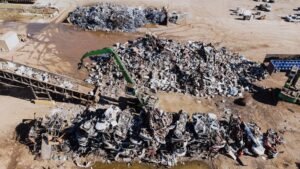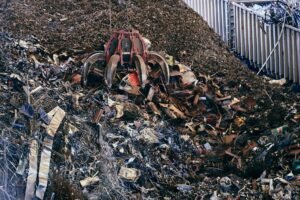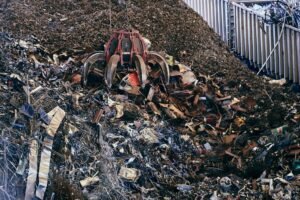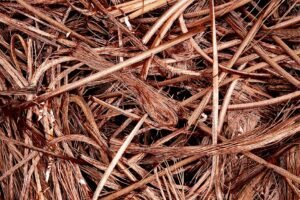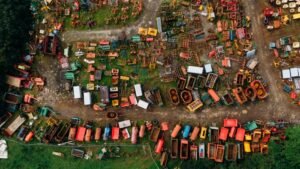

When you are looking for cash for scrap cars Port Kembla, you are participating in a sophisticated industrial ecosystem that turns automotive waste into high-value raw materials. The Port Kembla region, being an industrial hub, offers unique advantages for vehicle owners looking to dispose of their old, damaged, or non-running vehicles. Understanding the process of vehicle recycling ensures you receive the best market rate while contributing to a circular economy that reduces the demand for virgin ore extraction.
The Economics of Vehicle Recycling in Port Kembla
The scrap metal industry in New South Wales is driven by global commodity prices, but local logistics play a massive role in your final payout. When you pursue cash for scrap cars Port Kembla, you are interacting with a supply chain that begins at your driveway and ends at a massive smelting facility. Professional car wreckers in the region operate on thin margins, relying on the volume of steel, aluminum, and copper recovered from each vehicle. To get the best value, you need to understand that your car is not just a hunk of metal; it is a collection of distinct commodities.
For those looking to maximize their return, it is essential to understand the market. You can learn more about optimizing your returns by reading our guide on Cash For Metal Near Me How To Sell Scrap For Maximum Profit. The value of your car fluctuates based on the weight of the ferrous metals (steel and iron) and the presence of non-ferrous components like radiators, wiring harnesses (copper), and catalytic converters (precious metals like platinum and palladium). If you are struggling to move a vehicle, you might consider services that Pick Up Scrap Metal For Cash Near Me to handle the heavy lifting for you.
Understanding Scrap Grades and Component Value
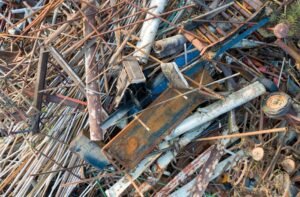
Not all scrap is created equal. In the context of vehicle recycling, grades are determined by the purity and the type of alloy. Ferrous scrap, which makes up the bulk of a vehicle’s body, is typically sold as ‘heavy melt’ or ‘shredder feed.’ This is the low-margin, high-volume side of the business. However, the real value for the recycler—and often the reason they can offer you more cash—lies in the non-ferrous components.
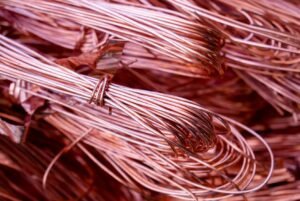
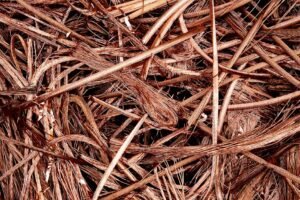
Aluminum wheels, for instance, are significantly more valuable than the steel frame. Lead-acid batteries contain high-density lead that is highly sought after by smelters. Catalytic converters are perhaps the most misunderstood component; they contain ceramic honeycomb structures coated in precious metals. A reputable wrecker will extract these before the vehicle is crushed. If you want to understand how these processes turn into tangible financial gains, check out our resource on Cash For Metal How To Turn Scrap Into Instant Money. Always ensure you are dealing with a licensed facility that adheres to strict environmental standards regarding fluid disposal.
The Environmental Imperative of Responsible Disposal
Vehicle recycling is one of the most effective forms of environmental management in the automotive sector. When you opt for professional disposal, you prevent toxic fluids—such as engine oil, coolant, brake fluid, and transmission fluid—from leaching into the Port Kembla soil and groundwater. These substances are hazardous, and improper disposal can lead to severe ecological damage.
Furthermore, recycling a car saves a massive amount of energy compared to producing new steel from iron ore. The energy savings from recycling aluminum are even more dramatic, often reaching 95% compared to primary production. By choosing a reputable service for Recycling Scrap Cars Port Kembla: The Ultimate Guide, you are directly reducing the carbon footprint of your vehicle’s lifecycle. Modern wrecking yards are required to follow strict protocols for depollution, ensuring that hazardous wastes are captured and processed by specialized facilities. This is why it is critical to avoid ‘backyard’ operators and stick to established, compliant businesses that prioritize environmental stewardship.
How the Wrecking Process Works
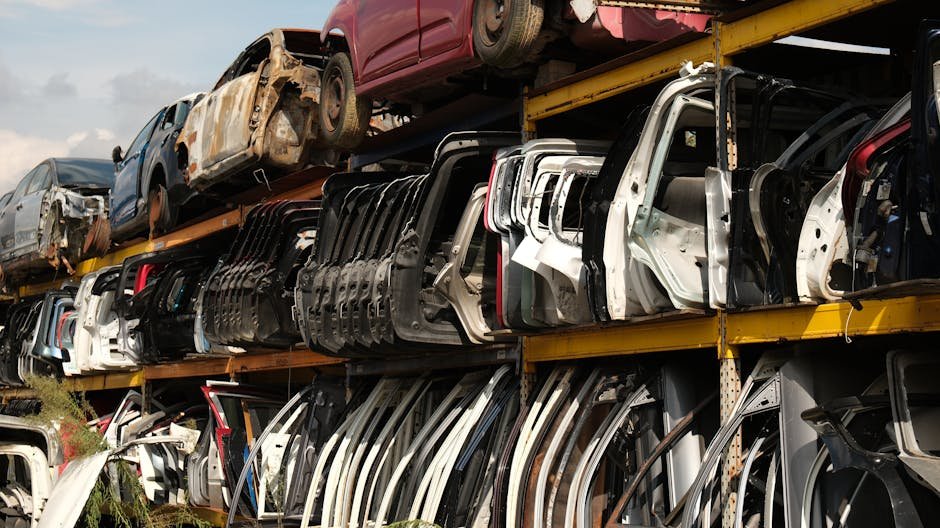
The journey of a scrap car from your property to a recycled material state is a multi-stage operation. First, the vehicle is assessed for parts. Many components, such as alternators, starters, doors, and lights, can be refurbished and sold as high-quality used auto parts. This secondary market for parts is vital for keeping older vehicles on the road, which in itself is a form of sustainable consumption.
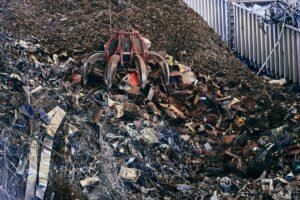
Once the salvageable parts are removed, the vehicle is drained of all fluids. This ‘depollution’ stage is the most critical for environmental protection. Once clean, the shell is compressed or shredded. The shredder uses massive hammers to break the car into fist-sized chunks. From there, magnetic separators pull out the ferrous metals, while eddy-current separators pull out non-ferrous metals like aluminum and copper. The remaining ‘fluff’—consisting of plastic, glass, and rubber—is often processed further to recover secondary materials, though this remains a challenge for the industry. For expert advice on the broader industry landscape, visit the Scrap Trade industry hub or explore the Australian Scrap Trade portal for national standards.
Maximizing Your Payout: Practical Tips for Sellers
If you want to secure the best deal, preparation is key. While many wreckers will buy a car in any condition, providing accurate information helps them give you a precise quote. Have your VIN, make, model, and year ready. Be honest about the condition of the vehicle—if the engine is missing or the wheels have been removed, tell them upfront. This avoids disputes when the tow truck arrives.
Clean out your personal belongings. It sounds simple, but many people leave behind important documents or valuables. Ensure you have the keys and the registration papers, as these are required to legally transfer ownership and prove the vehicle isn’t stolen. If the car is missing a catalytic converter or the battery, expect a lower offer, as these are high-value items the wrecker would have otherwise factored into their margin. By understanding the value of these parts, you can negotiate from a position of knowledge rather than desperation.
The Future of Automotive Recycling
The industry is currently undergoing a transformation driven by electric vehicles (EVs). Lithium-ion batteries present a new challenge and a new opportunity for the scrap industry. Unlike lead-acid batteries, lithium-ion units require specialized handling, storage, and processing to prevent fires and chemical leaks. As more EVs reach the end of their life, the scrap industry in Port Kembla will need to invest in new technologies to safely extract and recycle these battery packs.
This shift will likely change the landscape of vehicle recycling over the next decade. We will see more focus on ‘urban mining,’ where the focus shifts from just steel and aluminum to the recovery of cobalt, lithium, and nickel. For vehicle owners, this means that your future scrap car might be worth significantly more due to the rare earth metals inside the battery. Staying informed about these trends is part of being a savvy seller in the modern scrap market.
Conclusion: Choosing the Right Partner
Selecting the right partner for disposing of your vehicle is about more than just the highest quote. It is about reliability, environmental compliance, and transparency. A professional service will provide you with a certificate of destruction, ensuring that the vehicle is legally removed from the registration system, protecting you from future liability. Whether you are clearing out a garage or disposing of a fleet of work vehicles, the principles remain the same: prioritize licensed operators, understand the value of your materials, and ensure the process is handled with environmental care. By following these guidelines, you turn a burdensome piece of metal into a productive resource, supporting the local Port Kembla economy and the global push for a greener future.
Frequently Asked Questions
What documents do I need to sell my scrap car in Port Kembla?
You generally need proof of ownership, such as your vehicle registration papers or a bill of sale, and your photo identification. Some wreckers may also require you to sign a transfer of ownership form to legally clear the vehicle from your name.
Does the condition of the car affect the cash offer?
Yes, while wreckers buy cars in any condition, the offer is based on the weight of the metal and the presence of valuable components like the catalytic converter, battery, and aluminum wheels. A complete car with all its parts will almost always fetch a higher price than a stripped shell.
How long does the vehicle removal process take?
Most professional scrap car services in Port Kembla can provide a quote within minutes and schedule a pickup within 24 to 48 hours. The actual removal process at your location usually takes less than 30 minutes, provided the vehicle is accessible.
Are there any hidden costs when selling a scrap car?
Reputable car wreckers should not charge you for removal. If a company asks for a ‘towing fee’ or ‘processing fee’ that exceeds the value of the scrap, look for another provider, as most legitimate businesses include collection in their initial cash offer.