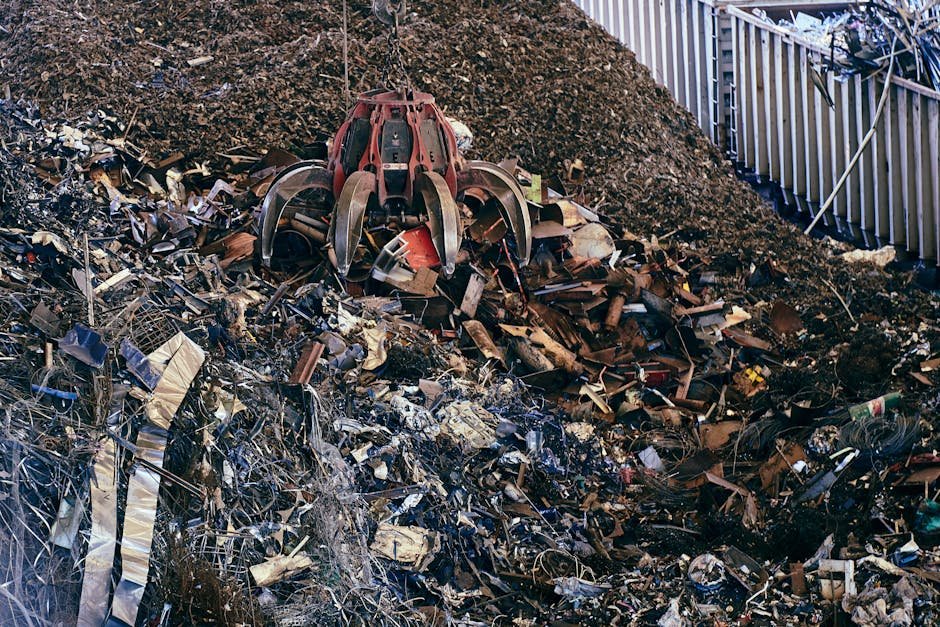

When seeking cash for scrap metal Burnie, the difference between a minor payout and a significant return lies in your understanding of the local market and material classification. Burnie, as a hub for industrial activity in Tasmania, offers unique opportunities for both residential and commercial scrap generators to turn waste into capital. Navigating the scrap metal landscape requires more than just gathering old pipes or rusted machinery; it demands a strategic approach to sorting, cleaning, and timing your sales to match global market trends. Whether you are clearing out a workshop or managing large-scale industrial demolition waste, the principles of professional metal recycling remain the same: quality, purity, and volume drive the highest prices. By partnering with a reputable scrap metal recycling specialist, you ensure that your materials are processed efficiently, adhering to environmental standards while maximizing your financial gain.
Understanding Metal Grades and Their Value
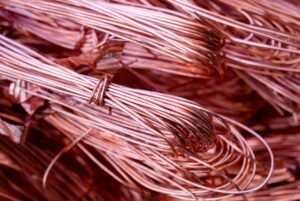
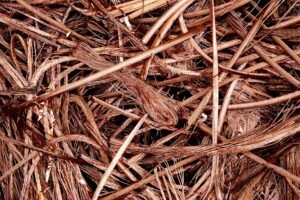
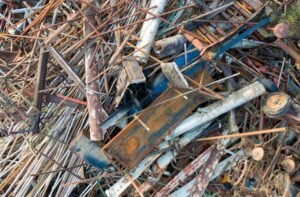
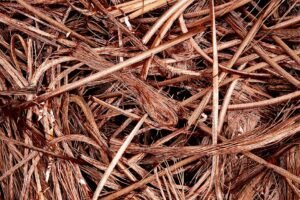
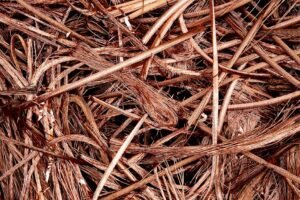
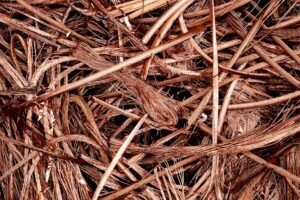
The foundation of the scrap industry is the grading system, which dictates the value of your haul. Metals are generally categorized into two main groups: Ferrous and Non-Ferrous. Ferrous metals, such as iron and steel, are magnetic and generally have a lower price point per kilogram due to their abundance. However, because they are heavy, volume is key. To get the best cash for scrap metal Burnie, you must identify if your steel is ‘heavy melt’ (thick structural steel) or ‘light gauge’ (thin sheeting or appliances), as heavy melt commands a higher price. Non-ferrous metals—including copper, aluminium, brass, and stainless steel—are where the real profit lies. Copper, for instance, is graded based on its purity and insulation status. ‘Bright and shiny’ copper wire is the gold standard, while copper with plastic coating or solder must be stripped or downgraded. Aluminium is similarly graded; clean, cast aluminium fetches more than painted or contaminated sheets. Understanding these distinctions allows you to separate your loads effectively, preventing high-value materials from being lumped in with low-value scrap. If you are unsure about the specific classification of your materials, checking current Scrap Metal Prices is an essential first step before heading to the yard. You should also consider if you need professional assistance; if you have large quantities, you might look for services that Pick Up Scrap Metal For Cash Near Me to save on transport costs and logistics.
The Mechanics of Metal Recycling
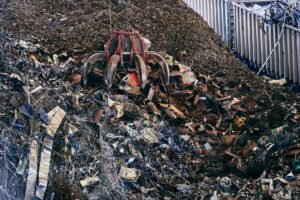
The recycling process is a sophisticated industrial operation that transforms raw scrap into high-quality raw materials for manufacturing. Once you drop off your metal, it undergoes a rigorous sequence of sorting, shredding, and melting. First, advanced technology like X-ray fluorescence (XRF) analyzers and magnetic separators are used to identify the exact composition of the scrap. This step is critical because even minor impurities can compromise an entire batch of molten metal. After sorting, the metal is shredded into small, uniform pieces to increase its surface area, making it easier to melt. The shredded material is then processed through a furnace, where it is refined into ingots or billets. These refined products are then sold to manufacturers who use them to create everything from new car parts to construction beams. This circular economy is vital for the Australian industry, reducing the need for destructive mining and lowering the energy footprint of production. For those looking to scale their operations, understanding How To Export Scrap Metal Internationally provides a broader perspective on how local scrap feeds into global supply chains. By participating in this system, you aren’t just earning money; you are contributing to a sustainable industrial ecosystem that powers the national economy.
Environmental Benefits and Sustainable Practices
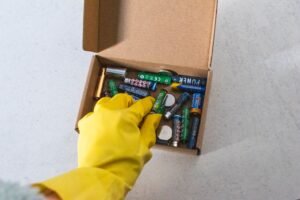
Recycling metal is one of the most effective ways to reduce your carbon footprint. When we recycle steel, for example, we use approximately 75% less energy than producing it from virgin iron ore. This saving is even more dramatic for aluminium, which requires 95% less energy to recycle than to refine from bauxite. By choosing to trade your metal, you are actively preventing hazardous materials from leaching into the Burnie soil and waterways. Landfill diversion is a major priority for local councils, and scrap metal yards act as the primary defense against the accumulation of bulky, non-biodegradable waste. Furthermore, the mining process is notoriously water-intensive and disruptive to biodiversity; every tonne of recycled metal effectively keeps a portion of the landscape undisturbed. As a savvy recycler, you can further enhance your impact by ensuring your scrap is ‘clean’—free of oils, chemicals, and plastic contaminants. This makes the recycling process safer and more efficient. Engaging with the Australian scrap metal industry leaders ensures that your waste is handled according to the highest environmental compliance standards. Whether you are dealing with lead-acid batteries, which contain toxic chemicals, or copper wiring, proper disposal is a moral and legal imperative that supports the health of the Tasmanian environment.
Maximizing Your Returns: Tips for the Serious Scrapper
To consistently secure the best returns, you must treat your scrap collection as a business. Start by investing in a reliable magnet to distinguish between ferrous and non-ferrous metals. Keep your storage area organized; mixing metals is the fastest way to lose money, as yards will typically pay the lowest grade price for the entire mixed load. If you have appliances, dismantle them to separate the copper motor, the aluminium heat exchanger, and the steel casing. This ‘pre-processing’ can double or triple your earnings compared to selling the unit whole. Additionally, keep an eye on market cycles. Metal prices are volatile and influenced by global demand, particularly from manufacturing powerhouses. Selling when demand is high can significantly boost your bottom line. If you are managing a large project, such as a demolition or a major renovation, don’t just settle for the nearest yard. Research their facility capabilities and inquire about their scale accuracy. Accurate weighing is non-negotiable. For those managing recurring scrap generation, establishing a long-term relationship with a yard can lead to better pricing tiers and priority service. For more insights on managing large scale scrap, you can review the Cash for Scrap Metal Narellan – Comprehensive Guide, which outlines best practices applicable to the Burnie market as well. Consistency, cleanliness, and market awareness are the three pillars of maximizing your profit in the scrap industry.
The Future of Metal Recycling in Tasmania
The scrap metal industry in Burnie is evolving rapidly with the integration of smart technology and increased focus on ESG (Environmental, Social, and Governance) metrics. We are seeing a shift toward more transparent, data-driven transactions where sellers can track the environmental impact of their recycling efforts. As global regulations tighten, the demand for high-quality, recycled scrap will only increase, making it a more lucrative sector for those involved. Local businesses are increasingly adopting ‘circular’ procurement policies, where they prioritize the use of recycled materials in their own manufacturing processes. This creates a closed-loop system where the scrap you sell today might return to you as a finished product tomorrow. As a participant in this market, you are part of a vital supply chain that supports local jobs, reduces national dependency on imports, and protects the unique Tasmanian wilderness. The future of cash for scrap metal Burnie is bright, provided that both businesses and individuals continue to prioritize responsible recycling, accurate grading, and the pursuit of clean, high-value material streams. By staying informed and active, you ensure that you are not only profiting from your scrap but also playing a key role in the sustainable development of the region.
Related: How To Export Scrap Metal Internationally
Frequently Asked Questions
What is the most valuable metal I can recycle?
Copper is consistently the most valuable common scrap metal due to its high demand in electrical and construction industries. Clean, ‘bright and shiny’ copper wire fetches the highest prices at scrap yards.
How do I know if my scrap is ferrous or non-ferrous?
The easiest way to test is by using a magnet. If the magnet sticks to the metal, it is ferrous, such as iron or steel; if the magnet does not stick, it is likely a non-ferrous metal like aluminium, copper, or brass.
Should I strip insulation off copper wire before selling it?
Yes, stripping insulation significantly increases the value of your copper. While it requires extra time and effort, the price difference between ‘insulated’ copper and ‘bare bright’ copper is substantial.
How often do scrap metal prices change?
Scrap metal prices fluctuate daily or weekly based on global market conditions, supply and demand, and currency exchange rates. It is advisable to check current pricing with your local yard shortly before you plan to sell.