
Understanding the process of cash for scrap metals is essential for anyone looking to turn waste into wealth while contributing to a circular economy. Whether you are a tradesperson clearing a job site or a homeowner cleaning out a garage, knowing how to identify, sort, and process your materials is the key to getting the best market rates. In Australia, the scrap metal industry is a vital pillar of the national infrastructure, turning redundant materials into valuable raw inputs for manufacturing.
Understanding the Scrap Metal Market and Its Significance
Before diving into the technicalities, it is important to understand What Scrap Trade Actually Is. At its core, the scrap trade is the systematic collection, processing, and re-melting of metallic waste into new products. This industry prevents millions of tonnes of metal from entering landfills annually. When you engage in the process of exchanging cash for scrap metals, you are participating in a global supply chain that bridges the gap between demolition and new production.
The Australian scrap metal market is driven by global commodity prices, which fluctuate based on supply, demand, and industrial output. Understanding these movements helps sellers time their sales for maximum profit. For those wondering how to get started, our platform provides a comprehensive resource on scrap metal recycling services that simplifies the complexities of the market. Whether you are in a major metropolitan area or a regional hub, the principles of market transparency remain the same.
Categorizing Your Scrap: Ferrous vs. Non-Ferrous
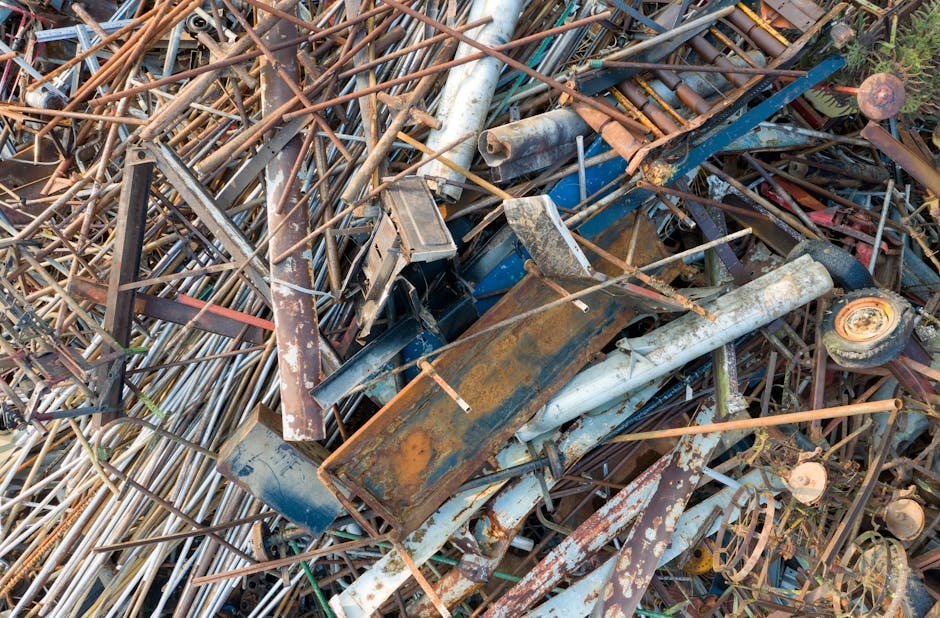
To maximize your return, you must understand the two primary categories of scrap: ferrous and non-ferrous. Ferrous metals contain iron and are typically magnetic. This includes steel, iron, and cast iron. While these are usually lower in value per kilogram compared to non-ferrous metals, they are collected in much higher volumes. Common sources include structural steel, old appliances, and automotive parts.
Non-ferrous metals, on the other hand, do not contain iron and are generally more valuable. These include copper, aluminium, brass, lead, and stainless steel. Because these metals do not rust and are infinitely recyclable without losing their properties, they are highly sought after by smelters. If you are looking for specific locations to drop off your materials, you might search for cash for scrap cannington to find specialized facilities. Sorting your non-ferrous metals from your ferrous pile is the most effective way to ensure you are paid the correct premium for your haul.
How the Recycling Process Works
The journey from a discarded piece of metal to a new product is a sophisticated industrial process. Once you bring your material to a facility, it undergoes a rigorous inspection. The staff will test the metal’s composition using handheld XRF (X-ray fluorescence) analyzers to determine its exact grade. This ensures that the facility pays you accurately for the specific alloy you have provided.
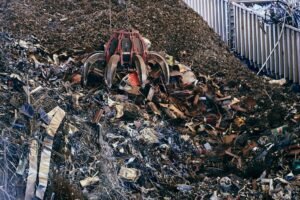
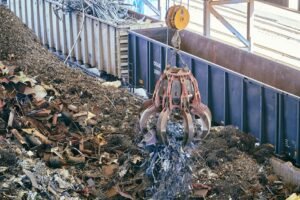
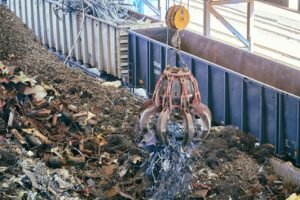
After weighing, the metal is processed. This involves shredding, shearing, or baling to reduce the volume for transport. Ferrous metals are often shredded into small pieces to remove contaminants like plastic or glass. Non-ferrous metals may be melted down into ingots or processed into clean, uniform scrap ready for the furnace. For those who have large quantities, learning how to streamline your collection process is vital. You can read our guide on I Buy Scrap How To Sell Your Scrap Metals Efficiently to learn how to organize your site for maximum efficiency.
Environmental Benefits of Metal Recycling
The environmental impact of recycling metal is profound. Extracting virgin ore from the earth is an energy-intensive process that involves mining, crushing, and smelting, all of which produce significant carbon emissions and habitat destruction. By contrast, recycling scrap metal uses a fraction of the energy required for primary production. For example, recycling aluminium saves approximately 95% of the energy compared to producing it from bauxite ore.
Furthermore, metal recycling reduces the reliance on landfills, which are rapidly reaching capacity. By keeping scrap metals in the production loop, we reduce the demand for raw materials and preserve the landscape. Our commitment to sustainable practices is reflected in our work at professional scrap metal recycling solutions, where we prioritize environmentally sound processing methods. Every kilogram of metal you recycle contributes to a lower carbon footprint for the Australian manufacturing sector.
Practical Tips for Maximizing Your Payout
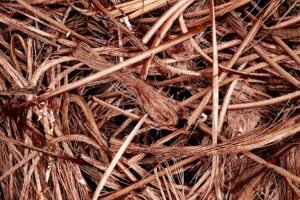
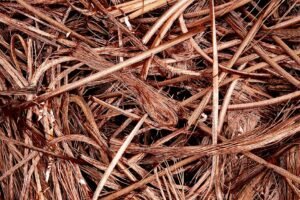
To get the most cash for scrap metals, preparation is everything. Clean your scrap. Remove non-metallic attachments like plastic handles, rubber insulation, or glass. While a facility may accept “dirty” scrap, they will pay significantly less for it because they have to spend time and money processing it to remove the contaminants. Clean, sorted copper wire, for instance, fetches a much higher price than insulated wire.
Additionally, volume matters. If you have a large amount of material, consider the logistics of transport. If you have a significant haul, you may not need to do the heavy lifting yourself. You can search for services that Pick Up Scrap Metal For Cash Near Me to save on fuel and time. Always keep an eye on the market. If you have a large inventory, don’t rush to sell during a market dip; hold your stock if you can, and wait for a peak in commodity prices to secure better returns.
Safety and Compliance in the Scrap Industry
Safety is the number one priority in any scrap metal yard. Heavy machinery, sharp edges, and hazardous materials require caution. Always wear appropriate personal protective equipment (PPE) such as gloves, steel-capped boots, and high-visibility clothing when handling scrap. Furthermore, ensure you are compliant with local environmental regulations. Some items, such as gas cylinders or sealed containers, may require special handling or certification before they can be accepted.
Compliance also extends to the documentation of scrap sales. In many Australian states, scrap metal dealers are required to record the details of the seller to prevent the trade of stolen goods. Expect to show valid identification when you visit a yard. This regulatory framework protects the industry and ensures that the scrap trade remains a legitimate and professional sector of the economy. If you are looking for a reputable place to trade, ensure they are fully licensed and follow all local council and state government guidelines.
The Future of Metal Recycling in Australia
The future of the scrap industry is bright, driven by technological advancements and a growing societal focus on sustainability. We are seeing increased investment in automated sorting technology, which uses artificial intelligence and high-speed sensors to identify and separate metals with incredible precision. This will lead to higher purity levels in recycled materials, making them even more valuable to manufacturers.
As Australia moves toward a more circular economy, the role of the individual recycler becomes even more important. Whether you are a tradesperson or a hobbyist, your participation in the scrap trade is a direct contribution to a greener future. For those interested in the latest trends and market updates, our platform offers a wealth of information on scrap for cash, providing the insights you need to stay ahead of the curve. By choosing to recycle, you are not just making money; you are protecting the environment for future generations.
Conclusion: Why Your Participation Matters
The scrap metal industry is a cornerstone of the modern world. By understanding the grades of metal, the logistics of the trade, and the immense environmental benefits, you become an active participant in a system that turns waste into a valuable resource. Whether you are seeking a side income or managing industrial waste, the principles of sorting, cleaning, and timing your sales remain the same.
We encourage you to use the resources provided on our site to further your knowledge and maximize your returns. Remember, every piece of metal you divert from a landfill is a win for the planet and a win for your wallet. Start your journey into the world of scrap metal recycling today, and turn your unwanted materials into the cash they deserve. By staying informed and working with legitimate, professional recyclers, you ensure that your contribution to the circular economy is both profitable and sustainable.
Frequently Asked Questions
What is the difference between ferrous and non-ferrous metals?
Ferrous metals contain iron and are magnetic, such as steel and iron, while non-ferrous metals do not contain iron and are non-magnetic, such as copper, aluminium, and brass.
How can I get the best price for my scrap metal?
To maximize your return, clean your metal by removing non-metallic parts like plastic or rubber, and sort your metals by grade before heading to the recycling facility.
Do I need identification to sell scrap metal?
Yes, in most Australian states, you are required to provide valid government-issued identification when selling scrap metal to comply with anti-theft regulations.
Why is recycling scrap metal better for the environment?
Recycling metal consumes significantly less energy than mining and processing virgin ore, reduces landfill waste, and helps preserve natural resources for future use.