
Cast iron scrap price is a critical metric for recyclers, traders, and manufacturers in Australia’s metal industry. As a key component of ferrous scrap, cast iron’s market value reflects broader economic trends, recycling technologies, and environmental policies. This guide provides an in-depth analysis of current scrap prices, pricing mechanisms, and the role of cast iron in sustainable metal recycling. Whether you’re a small-scale trader or a large industrial buyer, understanding these factors ensures informed decision-making and competitive positioning in the market.
Current Market Value of Cast Iron Scrap in Australia
As of 2024, the cast iron scrap price in Australia typically ranges between $0.20 and $0.35 per kg, depending on regional logistics, purity levels, and demand from steel producers. This price point is lower than non-ferrous metals like copper or stainless steel but higher than lower-grade ferrous scrap. For instance, the Stainless Steel Scrap Price in Sydney currently averages $5.00 per kg, highlighting the distinct valuation metrics for different metals.
- Regional Variations: Prices in New South Wales and Victoria often exceed those in regional Queensland due to transportation costs and proximity to major ports.
- Grade Impact: High-purity pig iron commands up to 15% more than mixed-grade cast iron due to its direct re-melt efficiency.
- Comparative Metrics: The current copper scrap price per kg in Australia is $8.20, underscoring the significant price gap between ferrous and non-ferrous metals.
How Cast Iron Scrap Prices Are Determined
Setting metal prices today involves a complex interplay of global and local factors. The primary determinants for cast iron include:
1. Global Iron Ore Market
Cast iron scrap prices are inversely correlated with iron ore prices. When global iron ore prices rise, recycled cast iron becomes a more attractive alternative for steelmakers. For example, the Scrap Price Forecast Guide predicts seasonal fluctuations based on China’s iron ore imports and Australia’s export capacity.
2. Supply Chain Dynamics
Local supply is influenced by demolition projects, automotive recycling, and industrial overhauls. A 2023 study by the Australian Recycling Industry Council found that 60% of cast iron scrap originates from decommissioned infrastructure, with 30% from manufacturing waste.
3. Recycling Technology
Advanced shredding and separation technologies have increased recovery rates by 12% since 2020, improving the cost-effectiveness of processing mixed ferrous/ferrous scrap. Platforms like scrap.trade use AI-driven pricing tools to optimize bids for iron scrap groups across the country.
Key Factors Affecting Cast Iron Scrap Cost
The current scrap prices for cast iron are shaped by both macroeconomic and microeconomic forces:
- Steel Demand: The Australian Steel Industry reported a 14% increase in demand for recycled cast iron in 2024, driven by green steel initiatives.
- Transportation Costs: Shipping cast iron from remote mining sites to coastal processing hubs can add $0.05–$0.10 per kg to final prices.
- Environmental Regulations: Stricter emissions standards have increased the cost of processing low-grade scrap, favoring higher-purity materials.
Grades of Cast Iron Scrap and Their Value
Understanding ferrous scrap classifications is essential for maximizing returns. Common grades include:
- Pig Iron: High-carbon, low-impurity material used in blast furnaces (price: $0.25–$0.35/kg)
- Grey Iron: Contains graphite flakes, ideal for engine blocks (price: $0.20–$0.28/kg)
- Malleable Iron: Heat-treated cast iron with improved ductility (price: $0.18–$0.25/kg)
- Ductile Iron: Graphite in nodular form, offering superior strength (price: $0.22–$0.30/kg)
- White Iron: High-carbon, low-silicon material prone to brittleness (price: $0.15–$0.20/kg)
For comparison, the copper scrap price Sydney remains significantly higher, but cast iron’s volume and reusability make it a cornerstone of Australia’s circular economy.
The Recycling Process for Cast Iron
Recycling wrought iron and cast iron involves four stages:
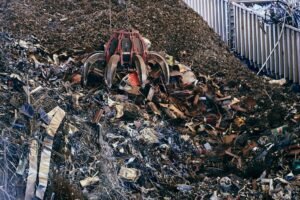
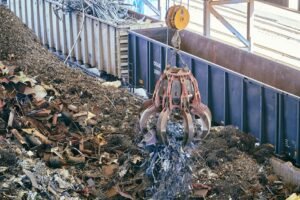
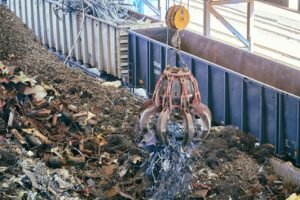
- Collection: Demolition sites, factories, and e-waste centers aggregate scrap using cranes and magnetic separators.
- Sorting: XRF (X-ray fluorescence) technology identifies alloy compositions to meet grade-specific buyer requirements.
- Processing: Shredding reduces volume by 60%, while eddy current separators remove non-ferrous contaminants.
- Re-melting: Electric arc furnaces reheat scrap to 1,500°C, with 1 tonne of cast iron producing 0.9 tonnes of usable steel.
Australian recyclers like scraptrade.com.au use blockchain to track provenance, ensuring compliance with ISO 14001 environmental standards.
Environmental Benefits of Recycling Cast Iron
Recycling cast iron reduces energy consumption by 75% compared to primary production. Additional benefits include:
- Resource Conservation: Every 1000 tonnes of recycled cast iron preserves 1.5 tonnes of iron ore.
- Emissions Reduction: Prevents 2 tons of CO2 emissions per tonne of recycled material.
- Landfill Avoidance: Keeps over 90% of ferrous scrap out of landfills, extending site lifespans by 20 years.
The Australian Department of Climate Change notes that ferrous recycling contributes to 18% of the nation’s carbon credit initiatives.
Practical Tips for Maximizing Returns
Optimize your iron price per kg by following these strategies:
- Clean and Sort: Remove non-ferrous contaminants to qualify for higher-grade pricing.
- Track Global Trends: Use platforms like Scrap Price Forecast Guide to anticipate market shifts.
- Local Partnerships: Collaborate with Iron Scrap Groups for bulk processing discounts.
- Document Grades: Provide alloy certifications to secure premium rates for high-purity scrap.
Conclusion
The cast iron scrap price in Australia is a dynamic indicator of industrial health and environmental progress. By understanding pricing mechanisms, grade classifications, and recycling technologies, stakeholders can navigate market fluctuations with confidence. For real-time price per tonne monitoring and industry insights, visit scrap.trade. Embracing sustainable practices not only boosts profitability but also supports Australia’s transition to a low-carbon economy through innovative metal recycling solutions.
Frequently Asked Questions
What is the current cast iron scrap price per kg in Australia?
The average cast iron scrap price in Australia ranges from $0.20 to $0.35 per kg, influenced by regional demand, purity levels, and global iron ore prices.
How does cast iron compare to other scrap metals in Australia?
Cast iron is less valuable than non-ferrous metals like copper ($8.20/kg) but more cost-effective than low-grade ferrous scrap. Its value lies in high-volume recycling and steel production efficiency.
What factors most significantly affect cast iron scrap prices?
Key factors include global iron ore demand, local supply from demolition projects, transportation costs, and environmental regulations governing recycling processes.
Why is recycling cast iron beneficial for the environment?
Recycling cast iron reduces energy consumption by 75%, prevents landfill waste, and cuts CO2 emissions by 2 tons per tonne processed, supporting Australia’s sustainability goals.