
The phrase catalytic converter buyers Costa Rica is increasingly searched by individuals and small businesses seeking to monetize end-of-life auto parts. However, the reality is that Costa Rica lacks a formalized, large-scale scrap metal recycling ecosystem specifically for catalytic converters. While local scrapyards may accept automotive components, few have the refining capacity or expertise to properly evaluate and pay fair market value for the platinum group metals (PGMs) — namely platinum, palladium, and rhodium — contained within cat converters. As a result, those looking to maximize returns typically turn to international metal buyers or digital scrap trading platforms that facilitate secure cross-border transactions.
Understanding the Value of Catalytic Converters
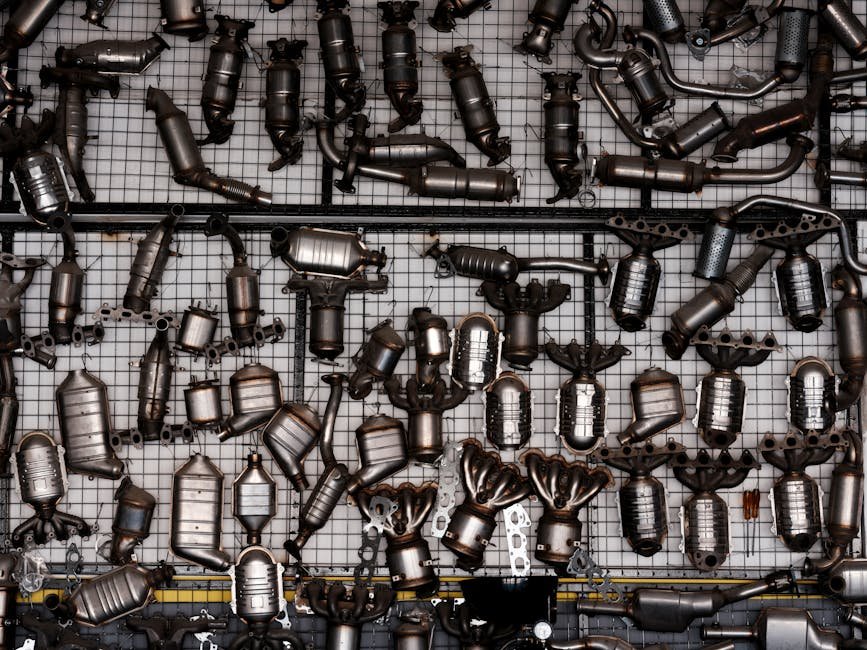
Catalytic converters are among the most valuable forms of automotive scrap due to their content of platinum group metals (PGMs). These rare and high-demand elements — primarily platinum, palladium, and rhodium — serve as catalysts in reducing harmful emissions from internal combustion engines. Over time, as vehicles are decommissioned, the converters become a rich source of recyclable material. The value of each unit depends on several factors including the vehicle make and model, the age of the converter, and current global commodity prices for PGMs.
Rhodium, in particular, has seen extreme price volatility in recent years, peaking at over $27,000 per troy ounce in 2022, making certain high-grade cat converters extremely lucrative. Palladium and platinum also command strong prices, with palladium historically surpassing gold in value during 2020–2021. Because these metals are finite and primarily mined in South Africa and Russia, their supply is constrained, driving demand in industrial and recycling markets.
Each catalytic converter contains a ceramic or metallic substrate coated with a washcoat infused with PGMs. The concentration varies significantly depending on the manufacturer and emission standards at the time of production. For example, European and North American vehicles tend to have higher PGM loadings than Asian models due to stricter emissions regulations. This is why identifying the original equipment manufacturer (OEM) and using a reliable catalyst identification guide is critical when assessing potential value.
Are There Active Catalytic Converter Buyers in Costa Rica?
Despite growing awareness of the value locked in used catalytic converters, catalytic converter buyers Costa Rica remain limited in number and scope. The country does not host any large-scale precious metal refiners capable of extracting PGMs from spent converters. Local scrap yards may accept catalytic converters as part of general automotive recycling, but they often pay only a fraction of the intrinsic metal value — if anything at all — due to lack of testing equipment and export logistics.
Some small-scale collectors operate informally, buying converters from mechanics, junkyards, or dismantlers, then consolidating shipments for export to refining hubs such as the United States, Canada, or Belgium. However, these intermediaries rarely offer transparent pricing or certification, raising concerns about fair compensation and legal compliance. Moreover, Costa Rican customs regulations and environmental laws can complicate the export of hazardous waste materials, which includes used catalytic converters under certain international frameworks like the Basel Convention.
As a result, individuals seeking to sell cat converters in Costa Rica face significant challenges: lack of local expertise, minimal competition among buyers, and limited access to real-time PGM market data. This environment creates a knowledge gap that can be exploited by unscrupulous operators who underpay or misrepresent the true worth of the material.
How to Sell Catalytic Converters from Costa Rica: International Options
Given the absence of robust domestic infrastructure, the most viable path for sellers in Costa Rica is to engage with international scrap buyer networks that specialize in catalytic converter recycling. Reputable global companies accept international shipments and provide free shipping kits, detailed evaluation reports, and secure payment via bank transfer or PayPal. These services are particularly beneficial for exporters who can consolidate multiple units into a single shipment to reduce per-unit costs.
One effective strategy is to partner with certified metal buyer platforms based in North America or Australia, where refining capacity and regulatory oversight are well established. For instance, Scrap.Trade offers a transparent online marketplace connecting sellers worldwide with verified recyclers. Users can upload converter serial numbers, receive instant quotes, and ship directly to accredited refineries. Similarly, ScrapTrade Australia provides specialized services for international clients looking to monetize PGM-bearing materials, including full assay reporting and competitive payout structures.
When choosing an international buyer, it’s essential to verify credentials such as membership in industry associations (e.g., ISRI – Institute of Scrap Recycling Industries), ISO certification, and compliance with environmental and anti-theft regulations. Transparent buyers will provide a detailed breakdown of how they calculate payouts — typically based on a percentage of the refined metal content after assaying. Avoid any company that offers flat rates without analysis, as this often indicates undervaluation.
To initiate the process, sellers should:
- Collect and catalog all converters, noting OEM, serial number (if visible), and vehicle application
- Research current PGM spot prices to establish baseline expectations
- Contact multiple trusted dealers for quotes, ensuring they accept Costa Rican exports
- Obtain shipping instructions, customs documentation, and insurance coverage
- Package units securely and ship with tracking
- Wait for refinery processing and payout (typically 2–6 weeks)
Platforms like the Sell My Catalytic Converter service streamline this workflow by integrating quote generation, label printing, and payment tracking into a single dashboard. This reduces administrative burden and increases transparency throughout the transaction lifecycle.
Pricing Factors: What Determines Cat Converter Value?
The value of a catalytic converter is not arbitrary — it is directly tied to the quantity and type of platinum group metals it contains, as well as global market dynamics. Refineries use a process called x-ray fluorescence (XRF) spectrometry or destructive assaying to determine the exact PGM content. However, preliminary estimates can be made using converter identification databases that correlate part numbers with average metal loadings.
Key pricing factors include:
- PGM Content: High-end luxury and performance vehicles (e.g., BMW, Mercedes, Land Rover) often contain more palladium and rhodium than economy models.
- Converter Type: Front (close-coupled) converters generally have higher concentrations than rear units.
- Market Volatility: Rhodium prices can fluctuate dramatically within weeks, affecting overall payout.
- Weight and Condition: Clean, undamaged units yield better results; crushed or contaminated substrates may reduce recovery rates.
- Refinery Deducts: Some processors charge fees for oxygen sensors, steel shells, or hazardous materials processing.
Sellers should also be aware of “knock-off” or aftermarket converters, which often contain little to no PGMs and are therefore nearly worthless. Genuine OEM units are preferred by refineries and command higher returns. Tools like serial number lookup services help authenticate origin and estimate potential value before shipping.
For those looking to understand regional variations in scrap value, related services such as old iron buyers near me and household scrap buyers near me offer insights into broader scrap metal markets, though these typically do not specialize in PGM recovery.
Trusted Dealers and Secure Selling Practices
Finding trusted dealers is paramount when dealing with high-value recyclables like catalytic converters. In Costa Rica, where oversight is limited, sellers must exercise extra caution. Red flags include buyers who refuse to provide physical addresses, lack verifiable customer reviews, or demand cash-only transactions without documentation.
Instead, prioritize partners that offer:
- Transparent pricing models linked to LBMA (London Bullion Market Association) or NYMEX benchmarks
- Detailed assay reports post-processing
- Secure online portals for tracking shipments and payments
- Compliance with anti-theft and anti-fencing regulations
- Customer support in Spanish or English, depending on preference
One such trusted solution is the Ecotrade Catalytic Converter program, which operates under strict ethical and environmental guidelines. This service accepts international submissions and provides full traceability from receipt to final payout, ensuring sellers receive accurate compensation based on actual metal yields.
Additionally, following best practices for secure selling enhances safety and profitability. These include:
- Never removing a converter from a vehicle unless you are the legal owner
- Keeping records of purchase or dismantling for audit purposes
- Using tamper-evident packaging when shipping
- Avoiding third-party resellers who act as middlemen without added value
- Consulting resources like Sell My Catalytic Converter Near Me How To Get The Best Price Safely for up-to-date guidance on avoiding scams
By aligning with reputable metal buyer networks and adhering to secure protocols, Costa Rican sellers can confidently participate in the global PGM recycling economy.
Export Regulations and Logistics from Costa Rica
Exporting catalytic converters from Costa Rica involves navigating customs, environmental, and transportation regulations. Under the Basel Convention on the Control of Transboundary Movements of Hazardous Wastes, used catalytic converters may be classified as hazardous due to potential contamination with heavy metals and residual hydrocarbons. While some countries allow export for recycling under “prior informed consent” (PIC) procedures, others impose restrictions or require special permits.
In practice, many exporters ship converters as “used automotive parts for recycling,” which falls into a gray area unless explicitly declared. To remain compliant, sellers should:
- Declare contents accurately on shipping manifests
- Obtain written confirmation from the receiving refinery that they accept international material
- Use licensed freight forwarders experienced in handling scrap metal shipments
- Ensure packaging meets IATA and IMDG standards for safe transport
- Maintain records of transactions for at least two years
Costa Rican customs authorities may request documentation such as invoices, bills of lading, and export declarations. While there is no outright ban on exporting catalytic converters, inconsistent enforcement and lack of clear guidelines mean that proactive compliance is essential to avoid delays or seizures.
Shipping methods vary — air freight offers speed but higher costs, while sea freight is economical for large volumes. Insuring the shipment against loss or damage is strongly recommended, especially given the high value density of PGMs. Reputable scrap buyer platforms often include insurance and tracking as part of their service package, reducing risk for the sender.
Future Outlook: Can Costa Rica Develop a Local Recycling Market?
The long-term potential for a domestic catalytic converter recycling industry in Costa Rica exists, driven by rising global demand for recycled PGMs and the country’s strategic location in Central America. However, several barriers must be overcome before catalytic converter buyers Costa Rica can evolve into a mature market.
First, investment in analytical equipment such as XRF guns and secure storage facilities is needed to enable accurate valuation. Second, partnerships with international refiners could allow for local collection hubs that forward material under bonded logistics. Third, regulatory clarity around waste classification and export procedures would reduce uncertainty for entrepreneurs.
Environmental benefits also support development: recycling PGMs uses up to 90% less energy than primary mining and significantly reduces CO₂ emissions. As Costa Rica continues its leadership in sustainability — aiming for carbon neutrality by 2050 — integrating urban mining initiatives into national policy could align economic and ecological goals.
Until such infrastructure emerges, the most practical solution remains engagement with global trusted dealers who offer transparency, security, and fair pricing. Platforms that connect Costa Rican sellers with international markets will continue to play a vital role in unlocking the hidden value of end-of-life catalytic converters.
Practical Tips for Maximizing Returns
To get the best possible price when selling catalytic converters — whether locally or internationally — follow these expert-recommended strategies:
- Sort by OEM and Model: Separate converters by vehicle brand and engine type. High-value units from trucks, luxury SUVs, and performance cars should be kept apart from low-yield economy models.
- Use Serial Number Databases: Input part numbers into online tools to estimate PGM content. This helps identify outliers and prioritize high-return units.
- Consolidate Shipments: Waiting to accumulate 20–50+ units reduces per-unit shipping costs and increases negotiating power with buyers.
- Compare Multiple Offers: Request quotes from at least three trusted dealers before committing. Look beyond headline percentages — factor in deducts, assay methods, and payout speed.
- Keep Detailed Records: Maintain logs of what was sent, when, and for how much. This aids in dispute resolution and tax reporting.
- Avoid On-the-Spot Cash Buyers: Street-level scrap buyer offers are often 70–90% below true value. Resist pressure to sell immediately without research.
- Stay Informed: Subscribe to PGM market updates from sources like Johnson Matthey or Kitco to understand pricing trends.
For those just entering the space, starting small and learning through controlled transactions minimizes risk. Begin with a test shipment to a verified buyer, review the assay report, and compare the final payout against your expectations. Use this experience to refine your approach before scaling up operations.
Ultimately, the key to success lies in education, patience, and choosing the right partners. Whether you’re a mechanic, auto dismantler, or entrepreneurial recycler, understanding where to find reliable channels and how the process works empowers you to make informed decisions in the evolving world of PGM recycling.
Frequently Asked Questions
Can I sell catalytic converters from Costa Rica to international buyers?
Yes, you can legally export catalytic converters from Costa Rica to international buyers, provided you comply with customs declarations and shipping regulations. Many global scrap recyclers accept shipments from Costa Rica and offer secure payment after refining.
How do I know if a catalytic converter buyer is trustworthy?
Look for buyers with verifiable business addresses, customer reviews, transparent pricing linked to PGM spot markets, and detailed assay reporting. Avoid those offering flat cash rates without analysis or who lack online presence and certifications.
What metals are recovered from catalytic converters?
Catalytic converters contain platinum, palladium, and rhodium — all part of the platinum group metals (PGMs). These rare elements are extracted during refining and reused in automotive, electronics, and industrial applications due to their catalytic properties.
How long does it take to get paid after sending a converter overseas?
Processing and payout typically take 2–6 weeks after the refinery receives your shipment. This includes time for sorting, assaying, and calculating your share based on the recovered platinum group metal content.