
The phrase catalytic converter sell for scrap is increasingly relevant in Australia’s growing recycling economy. As demand for platinum group metals (PGMs) surges globally, recycling catalytic converters has become a high-value opportunity for individuals, mechanics, and scrapyards alike. Whether you’re disposing of old auto parts or managing a fleet dismantling operation, understanding how to properly sell a cat converter ensures you receive fair compensation while supporting sustainable resource recovery. This guide covers everything you need to know about the process, from identifying valuable units to finding the best buyers who offer cash for scrap with transparency and speed.
Why Catalytic Converters Are Valuable for Scrap Recycling
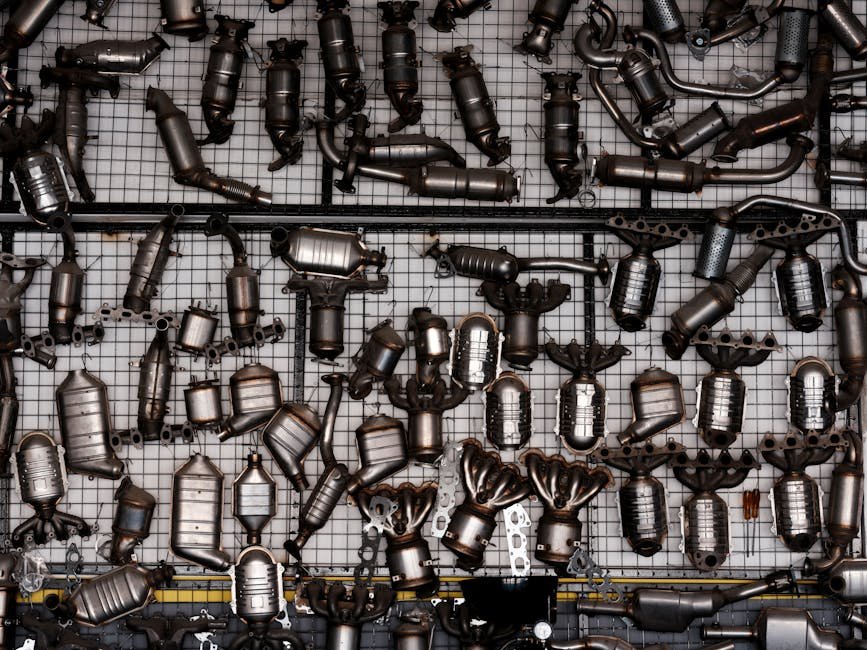
Catalytic converters — often referred to as “cat converters” — are emission control devices installed in vehicles to reduce harmful exhaust gases. While their environmental function is critical, their real scrap value lies in the precious metals embedded within the ceramic or metallic substrate. These include platinum, palladium, and rhodium — collectively known as platinum group metals (PGMs). These rare elements are not only essential for chemical conversion processes in the converter but also command some of the highest market prices among industrial commodities.
As global mining struggles to keep pace with demand, especially for rhodium — which reached over $15,000 per troy ounce in recent years — recycled PGMs have become a strategic resource. According to the International Platinum Group Metals Association, up to 40% of annual palladium supply now comes from recycling, underscoring the importance of proper recovery from end-of-life automotive components. This makes every catalytic converter sell for scrap a contribution to both economic efficiency and environmental sustainability.
The concentration of PGMs varies significantly between converter types, making accurate grading essential. For example, a standard petrol vehicle might contain 2–7 grams of combined PGMs, while high-performance or diesel models may hold up to 10 grams or more. Given that even a single gram of rhodium can be worth over $500 AUD depending on market fluctuations, maximizing returns requires knowledge, precision, and access to trustworthy buyers.
How to Identify and Grade Your Catalytic Converter
Not all catalytic converters are created equal. The value of a unit depends on its internal composition, which correlates directly with the vehicle type, engine size, model year, and geographic region it was designed for. Understanding how to grade a cat converter is the first step toward securing the best price when you decide to Sell My Catalytic Converter.
Grading systems used by professional scrap dealers categorize converters based on PGM content. Common classifications include:
- OBD-I (Pre-1996): Older models generally contain lower concentrations of PGMs but can still offer moderate returns due to larger substrate volumes.
- OBD-II (1996–2010): Mid-tier in value, these are common in secondhand markets and typically yield solid returns when processed in bulk.
- High-Flow (Performance Vehicles): Used in sports cars and performance tuning applications, these often feature enhanced PGM loading for durability and efficiency.
- Diesel Oxidation Catalysts (DOCs): Found in diesel engines, they primarily use platinum and palladium and are particularly valuable due to stricter emissions regulations in Europe and Australia.
- Hybrid & EV Starters (Newer Models): Despite reduced engine runtime, hybrid vehicles often have higher PGM densities to maintain emission compliance during cold starts.
Each converter carries a unique identification number stamped on the casing. This OEM code (e.g., ABC123) can be cross-referenced with PGM databases used by recyclers to estimate precious metal content. Some advanced platforms, like those offered by ScrapTrade Australia, integrate barcode scanning and AI-powered valuation tools to provide instant estimates based on real-time metal prices.
To ensure accurate grading, avoid cutting open or damaging the converter unless you’re working with a licensed processor. Physical tampering can degrade the substrate, reduce recovery yields, and potentially violate environmental handling regulations. Instead, clean the exterior, record the serial number, and consult a certified buyer who uses XRF (X-ray fluorescence) spectrometry for non-destructive analysis.
Where to Sell Your Catalytic Converter in Australia
Finding the right place to sell your cat converter is crucial for maximizing returns and ensuring legal compliance. The Australian scrap metal industry is regulated to prevent theft and illicit trade, meaning legitimate buyers must verify seller identity and maintain transaction records. This protects both consumers and the broader recycling ecosystem.
When you’re ready to sell my catalytic converter near me, consider these options:
- Certified Scrap Metal Yards: These facilities are licensed under state environmental and safety codes and often offer competitive rates backed by direct refinery partnerships.
- Mobile Collection Services: Increasingly popular in urban areas, these services pick up converters from workshops or homes, providing convenience and secure transport.
- Online Marketplaces: Platforms like Scrap.Trade connect sellers with vetted recyclers nationwide, allowing price comparisons and same-day payment processing.
- Automotive Recyclers: Many wreckers and dismantlers accept old converters as part of their core operations, especially if they specialize in luxury or commercial vehicles.
Regardless of method, always confirm that the buyer is registered with the Australian Recyclers Association (ARA) or holds a valid Waste Transporter License. Reputable dealers will provide a transaction receipt, perform ID checks, and adhere to the National Code of Practice for Precious Metal Refining.
For those seeking localized convenience, use the Sell Scrap Metal Near Me In 2026 tool to locate accredited buyers within 50km of your postcode. This directory updates quarterly and includes user ratings, average payout data, and accepted material types.
How to Get the Best Price When Selling Catalytic Converters
Maximizing returns from a catalytic converter sell for scrap isn’t just about finding any buyer — it’s about strategic preparation and smart negotiation. The difference between an average payout and the best price can amount to hundreds of dollars per unit, especially for high-grade converters.
Follow these proven strategies to secure top dollar:
- Know Current PGM Market Prices: Platinum, palladium, and rhodium prices fluctuate daily based on global supply chains, mining output, and industrial demand. Check reliable sources like the London Metal Exchange (LME) or Kitco to time your sale during price peaks.
- Collect in Bulk: Most recyclers offer tiered pricing — the more converters you bring, the higher the per-unit rate. Mechanics and auto shops benefit significantly by accumulating units over weeks before selling.
- Separate by Grade: Don’t mix low-value OBD-I units with high-flow or diesel converters. Keeping them sorted allows buyers to pay appropriate premiums without averaging down.
- Use XRF Testing: Demand a live XRF scan at the point of sale. This handheld device measures elemental composition instantly and ensures transparency in valuation.
- Compare Multiple Quotes: Use online platforms to request bids from several recyclers. Many offer free shipping kits and guaranteed minimum returns.
Be wary of buyers offering “cash for scrap” with no documentation or testing. These operations may underpay by estimating values based on weight alone, ignoring PGM variability. Always insist on a detailed breakdown showing grams of platinum, palladium, and rhodium detected, along with the applicable refinery deduction fees.
Additionally, consider joining a scrap metal loyalty program. Some platforms, including Sell Scrap, offer recurring seller incentives such as bonus payouts, referral credits, and priority processing for frequent contributors.
Documents Required to Legally Sell a Catalytic Converter in Australia
Selling a catalytic converter isn’t as simple as walking into a yard with a box of parts. Due to widespread theft of converters from parked vehicles — a crime that cost Australian insurers over $80 million in 2023 — strict documentation rules are enforced nationwide to deter illegal trafficking.
To legally complete a catalytic converter sell for scrap transaction, you must provide:
- Valid Photo ID: Driver’s license, passport, or proof-of-age card. This is mandatory for all sellers, regardless of volume.
- Proof of Ownership: If selling multiple units, a business ABN or letterhead invoice from a repair shop may be required.
- Vehicle Registration (if applicable): If removing the converter from a registered vehicle, bring the registration papers or a statutory declaration explaining removal reason.
- Transaction Record: Reputable buyers issue a receipt listing the number of units, serial numbers, weight, and payment amount. Keep this for tax and audit purposes.
Some states, including New South Wales and Victoria, require scrap yards to report all converter transactions to law enforcement databases. This helps track stolen units and ensures accountability across the supply chain. Attempting to sell without proper ID or with suspiciously large quantities may result in refusal or police notification.
For businesses, maintaining a logbook of all removed converters — including date, vehicle VIN, and disposal method — is considered best practice and may satisfy due diligence requirements under environmental legislation.
How Catalytic Converter Recycling Works: From Collection to Refinement
Once you’ve successfully completed a catalytic converter sell for scrap, the journey of your unit has only just begun. The recycling process involves several highly technical stages designed to recover maximum PGM content while minimizing environmental impact.
Here’s how it works:
- Collection & Sorting: Converters are gathered from scrapyards, repair shops, and collection events. They are then sorted by type, manufacturer, and estimated PGM content using barcode systems and visual inspection.
- Decanning: The metal shell is removed, and the ceramic or metallic substrate is extracted. This brittle honeycomb structure contains the bulk of the precious metals.
- Pulverization: The substrate is crushed into fine powder using industrial mills. This increases surface area for chemical processing.
- Chemical Leaching: The powder undergoes hydrometallurgical treatment with acids (e.g., aqua regia) to dissolve PGMs. Modern refineries use closed-loop systems to prevent chemical runoff.
- Separation & Purification: Solvent extraction and ion exchange techniques isolate individual metals — platinum, palladium, and rhodium — to 99.95%+ purity.
- Final Product: Recovered metals are formed into ingots or salts and sold back to manufacturers for use in new converters, electronics, or medical devices.
Advanced facilities in Australia, such as those operated by SIMEC Atlantis and MetalX, utilize robotic disassembly and AI-driven sorting to increase throughput and accuracy. These innovations have helped raise national PGM recovery rates to over 95%, among the highest in the world.
The entire process, from intake to refined output, typically takes 4–6 weeks. Sellers who use traceable platforms receive confirmation once their materials have been processed and payments finalized.
Environmental Benefits of Recycling Catalytic Converters
Beyond financial incentives, choosing to sell scrap metal in colombia or domestically contributes to significant environmental gains. Mining raw platinum group metals is one of the most energy-intensive and ecologically damaging industrial activities on Earth.
Consider these facts:
- Extracting one ounce of platinum requires moving over 10 tons of ore and emits approximately 35,000 kg of CO₂.
- Recycling PGMs uses up to 60% less energy than primary mining.
- Every tonne of recycled catalytic substrate prevents the need for new open-pit mining in ecologically sensitive regions like South Africa or Russia.
- Landfill disposal of converters risks leaching heavy metals like cerium and zirconium into groundwater.
By participating in formal recycling channels, Australians help reduce greenhouse gas emissions, conserve natural resources, and support a circular economy. According to the CSIRO, increasing PGM recycling rates by just 10% could offset the equivalent of 200,000 tonnes of annual mining waste in Australia alone.
Moreover, recycled palladium and platinum are chemically identical to virgin metals, meaning no compromise in performance. In fact, many automotive OEMs — including Toyota, BMW, and Ford — now specify minimum recycled content in their new converter supply chains to meet ESG (Environmental, Social, and Governance) targets.
When you choose to sell your cat converter responsibly, you’re not just earning cash for scrap — you’re contributing to cleaner air, reduced mining damage, and a more sustainable future.
Practical Tips for Individuals and Businesses Selling Catalytic Converters
Whether you’re a DIY mechanic removing an old converter or a large-scale dismantler managing hundreds of units monthly, these actionable tips will streamline your experience and improve outcomes.
- Store Safely: Keep converters in locked containers. Thieves target storage areas where loose units accumulate.
- Label Clearly: Tag each unit with vehicle make, model, and removal date. This aids in grading and documentation.
- Avoid Cutting: Never cut converters open before sale unless contracted with a licensed processor. Intact units fetch higher prices.
- Track Market Trends: Subscribe to PGM price alerts via ScrapTrade Australia to time your sales optimally.
- Use Secure Payment Methods: Opt for bank transfer over cash when possible to maintain financial records.
- Educate Staff: For businesses, train employees on compliance protocols to avoid legal issues during audits.
Finally, remember that transparency builds trust. Reputable recyclers welcome questions about their refining partners, payout calculations, and environmental practices. If a buyer seems evasive or unwilling to provide documentation, take your business elsewhere.
The growth of digital platforms has made it easier than ever to Sell Scrap efficiently and ethically. With real-time pricing, secure logistics, and nationwide coverage, Australia’s scrap metal infrastructure is evolving to meet modern demands for speed, safety, and sustainability.
In conclusion, the catalytic converter sell for scrap process is more than a way to earn extra income — it’s a key component of responsible resource management. By understanding grades, knowing where to sell, preparing proper documentation, and recognizing the environmental impact of your choices, you position yourself to achieve the best price while supporting a cleaner planet. For immediate assistance, visit Sell My Catalytic Converter to get a free valuation and connect with trusted buyers today.
Frequently Asked Questions
How much is a catalytic converter worth for scrap in Australia?
Value depends on the converter’s grade and current platinum, palladium, and rhodium prices. Standard units range from $20 to $200+, with high-performance or diesel models fetching significantly more based on PGM content.
Can I sell a catalytic converter without the car?
Yes, you can sell a standalone converter, but you must provide valid photo ID and proof of ownership. Scrap dealers follow strict anti-theft regulations, so documentation is required regardless of vehicle presence.
Do I need to remove the catalytic converter myself before selling?
No, many recyclers accept entire exhaust sections or whole vehicles. However, removing the converter cleanly can sometimes improve valuation if done safely and correctly.
Are there laws regulating the sale of catalytic converters in Australia?
Yes, all states require ID verification and transaction recording to combat theft. Sellers must present photo ID, and buyers must report suspicious activity to authorities under national scrap metal regulations.