
Navigating a central coast complete demolition project requires more than just heavy machinery; it demands a strategic approach to material recovery and site remediation. As the region experiences significant urban renewal, understanding how to manage the lifecycle of structural materials is essential for contractors, developers, and property owners alike. Whether you are clearing a residential block in Gosford or managing an industrial site in Wyong, the efficiency of your project is tied directly to how you handle the resulting scrap metal.
The Strategic Importance of Material Recovery in Demolition
In the modern construction landscape, demolition is no longer about simply tearing down a structure; it is about deconstruction and resource recovery. When undertaking a central coast complete demolition, the goal is to divert as much material as possible from landfills, thereby reducing tipping fees and generating revenue through metal recycling. The economic impact of this shift is significant. By categorizing metals—ferrous versus non-ferrous—at the source, you can maximize your returns. For those new to this process, understanding the broader market is critical. You can learn the fundamentals of market fluctuations and material grading in The Complete Guide To Scrap Trade.
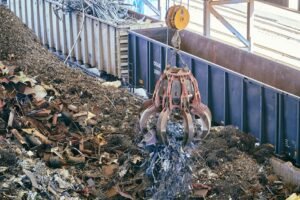
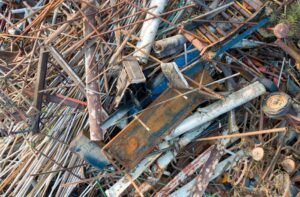
Material recovery goes beyond just steel beams. On a typical Central Coast site, you will encounter copper wiring, aluminum cladding, brass fittings, and lead piping. Each of these materials holds a distinct market value. If you are managing a large-scale site, you need to implement a rigorous sorting protocol. This prevents cross-contamination, which significantly degrades the value of your scrap. For businesses and professional recyclers looking to optimize their workflow, we recommend reading Scrap Management A Complete Guide For Businesses And Recyclers to streamline your site operations.
Understanding Market Dynamics and Pricing
The price of scrap metal is highly volatile and influenced by global demand, particularly from manufacturing hubs in Asia. For a central coast complete demolition project, the timing of your scrap disposal can determine whether the project breaks even or turns a substantial profit. Steel, being the most common material in structural demolition, requires careful monitoring of market indices. Before you commit to a disposal plan, it is vital to understand how to value your inventory accurately. Our resource, Scrap Steel Price Per Kg A Complete Guide For Sellers, provides the necessary data to help you negotiate better rates with your local scrap metal merchant.
It is worth noting that scrap metal pricing is not uniform across Australia. Logistics play a major role in the final payout. If you are comparing your local results to other regions, such as the scrap metal gold coast market or a demolition scrap buyer in perth, you will notice variations based on proximity to ports and local processing capacity. On the Central Coast, leveraging local recycling infrastructure is key to minimizing transport costs, which are often the biggest “hidden” expense in demolition logistics.
Regulatory Compliance and Safety Standards
Demolition on the Central Coast is governed by strict NSW WorkSafe regulations and local council requirements. A complete demolition project involves more than just removing steel; it involves the safe handling of hazardous materials like asbestos, lead paint, and silica dust. Before any metal is stripped, a hazardous materials survey must be completed. Failure to do so can result in massive fines and project shutdowns.
Once the site is deemed safe, the focus shifts to the structural breakdown. Expert demolition teams utilize a ‘top-down’ approach, which allows for the safe segregation of materials. This is where the partnership between the demolition contractor and the scrap metal recycler becomes crucial. A professional recycler will often provide on-site bins and collection services, ensuring that the site remains clear of debris and that the scrap is processed according to environmental standards. For those seeking professional services, our primary platform, Scrap Trade, connects you with verified recyclers who understand the complexities of commercial site clearance.
Logistics and Site Management Tips
Efficient site management is the difference between a profitable project and a money pit. When managing a large-scale demolition, space is often at a premium. Here are some practical tips to keep your site organized:
- Segregation at Source: Do not mix steel with general demolition waste. Clean steel commands a higher price than mixed demolition scrap.
- Bin Management: Use dedicated bins for high-value non-ferrous metals like copper and aluminum. Keep these bins in a secure, monitored area to prevent theft.
- Regular Collections: Do not let scrap accumulate to the point where it hinders site movement. Schedule regular pickups with your recycler.
- Documentation: Keep accurate records of all weights and material types. This is essential for your environmental reporting and financial auditing.
For more comprehensive information on how to manage large-scale material flows, you can visit our Australian-focused scrap portal, which offers localized insights into the metal recycling industry.
The Role of Technology in Modern Recycling
Technology has revolutionized how we handle scrap metal. Handheld X-ray fluorescence (XRF) analyzers allow recyclers to instantly identify metal alloys, ensuring that you get paid the correct price for specialized metals like stainless steel grades or high-temp alloys. In the context of a central coast complete demolition, using a recycler who employs this technology is a significant advantage. It removes the guesswork and ensures transparency in the grading process.
Furthermore, digital tracking systems now allow contractors to track the movement of their scrap from the site to the recycling plant. This transparency is becoming increasingly important for companies that have ESG (Environmental, Social, and Governance) targets. By choosing a recycler that provides digital manifests, you can prove that your waste was processed ethically and sustainably, which is a major selling point for developers and government contractors.
Environmental Impact and Sustainable Deconstruction
The Central Coast is known for its natural beauty, and modern demolition practices reflect a commitment to preserving the environment. Sustainable deconstruction focuses on the circular economy—keeping materials in use for as long as possible. When you recycle steel, you save up to 75% of the energy required to produce virgin steel from iron ore. This is a powerful statistic that should be highlighted in your project reports.
Beyond steel, concrete crushing is another vital aspect of site clearance. Many demolition projects now crush concrete on-site to be reused as road base or fill. By combining metal recovery with concrete recycling, you can significantly reduce the carbon footprint of your demolition project. This dual approach is the gold standard for responsible urban development in New South Wales.
Future Trends in the Scrap Industry
The scrap metal industry is evolving rapidly. We are seeing a move toward more automated sorting facilities and a greater emphasis on traceability. As the Central Coast continues to grow, the demand for recycled materials will only increase. For those involved in the demolition sector, staying ahead of these trends is essential. This means investing in better sorting equipment, building long-term relationships with reputable recyclers, and maintaining a deep understanding of the global commodity markets.
As we look toward the future, the integration of AI in material sorting and blockchain for supply chain transparency will likely become the norm. These technologies will make the process of central coast complete demolition even more efficient, helping to maximize the value of every ton of metal removed from our sites. By staying informed and working with industry experts, you ensure that your projects are not only profitable but also contribute to a more sustainable future for the region.
Conclusion
The successful execution of a central coast complete demolition project is a multifaceted challenge that requires technical expertise, logistical precision, and a deep understanding of the scrap metal market. By prioritizing material recovery, adhering to safety and environmental regulations, and leveraging the right industry partnerships, you can transform a demolition site into a source of valuable resources. Whether you are a small contractor or a large-scale developer, the principles of efficient scrap management remain the same: sort early, monitor market prices, and maintain transparency. Use the resources provided in this guide to navigate your next project with confidence and maximize your returns.
Frequently Asked Questions
What is the first step in a central coast complete demolition project?
The first step is conducting a thorough hazardous materials survey to identify asbestos, lead, or other contaminants. Once the site is cleared for safety, you can begin the systematic deconstruction and material segregation process.
How can I maximize profit from demolition scrap?
Maximize profit by separating metals at the source—keep ferrous (steel) separate from non-ferrous (copper, brass, aluminum). Avoiding cross-contamination and selling when market prices are favorable are the best ways to increase your ROI.
Are there specific environmental regulations for demolition on the Central Coast?
Yes, all demolition projects must comply with NSW EPA regulations regarding waste disposal and site remediation. You must also follow local council requirements for dust control, noise management, and waste tracking.
Why is it important to use a professional scrap metal recycler?
Professional recyclers provide accurate weighing, fair market grading, and the necessary documentation for environmental compliance. They also offer logistical support, such as skip bin delivery and collection, which keeps your site efficient.