
Whether you need to offload demolition steel, factory off-cuts or a bin of copper cable, chullora scrap yard is the go-to recycling depot for Sydney’s inner south-west. In this authoritative guide you’ll learn every grade that changes hands, how the metal recycler processes material, and the measurable environmental wins you create every time you buy and sell scrap.
1. What Makes Chullora Scrap Yard a Pillar of Sydney’s Metal Trade
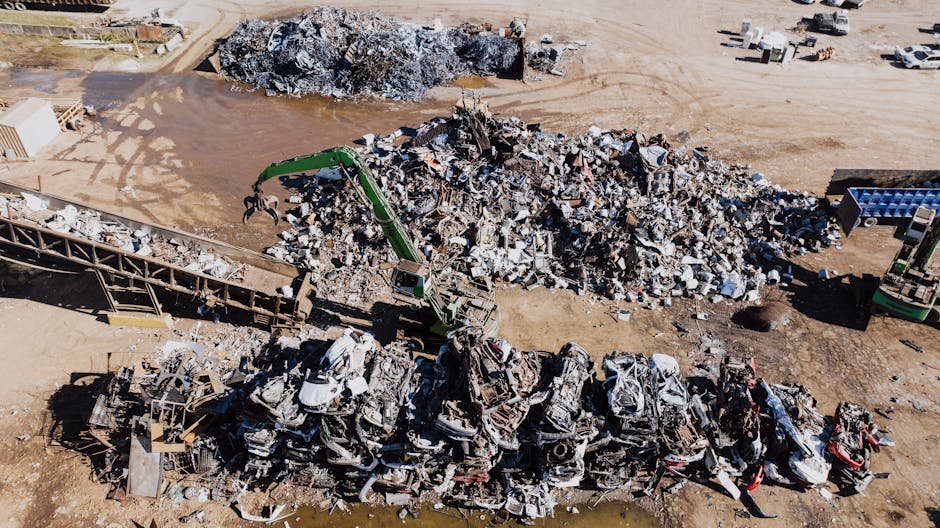
Strategically wedged between the M5 and Hume Highway, the chullora scrap yard has grown into a 12-acre facility that can receive, weigh, assay and pay for metal within 15 minutes of a customer’s arrival. The yard is licenced by the NSW EPA, accredited under the National Metal Recycling Scheme and operates a 70-tonne digital weighbridge calibrated quarterly. These credentials matter because they guarantee that every kilogram you deliver is recorded and paid at the live London Metal Exchange (LME) minus a transparent service fee.
Unlike smaller suburban sites, this industrial scrap yard can accept oversize loads, has a dedicated non-ferrous warehouse, and runs three 24-hour shear lines. It is also one of the few Sydney depots that allows a walk-in service for tradespeople who have under 200 kg of material on the back of a ute—no booking required before 3 p.m. on weekdays.
If you are comparing sites, our interactive map of Metal Scrap Yard Near Me lets you filter by payment method, opening hours and accepted grades so you can decide whether to travel to Chullora or divert to st marys scrap yard for a better rate on a specific alloy.
2. Ferrous Grades You Can Sell at Chullora Scrap Yard
Steel and iron arrive from demolition crews, rail maintenance teams and local manufacturers. Prices hinge on density, copper content and contamination, so knowing the grade before you haul can double your return.
- HMS 1/2 (Heavy Melting Steel): Cut to ≤ 1.2 m, no plate thicker than 6 mm, ≤ 0.3 % copper. Current spot price range $260–$290 ex-yard.
- Shred (Shreddable Scrap): Whitegoods, roofing iron, car bodies. Must be free of gas bottles and concrete. Price $210–$240.
- Plate & Structural (P&S): Off-cuts from bridge works or mining. Max 400 mm width, ≥ 6 mm thickness. Price $280–$310.
- Rebar: Must be free of concrete drift. Chullora scrap yard offers a “clean rebate” bonus of $15 per tonne if the material passes visual inspection.
Tip: Separate your rebar from mesh sheets in advance; the yard’s electromagnet can then load straight to the shred pile, saving you a re-handling fee.
3. Non-Ferrous Grades and How to Identify Them
Copper, aluminium, nickel and brass make up roughly 45 % of the revenue for a typical metal recycler even though they represent less than 10 % by weight. Correct classification is therefore the fastest way to boost your invoice.
Copper:
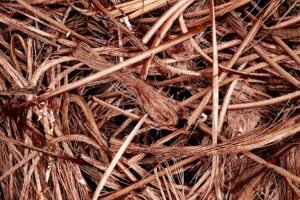
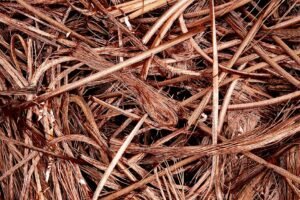
- Bare bright (≥ 99.9 % Cu, ≤ 16 mm) – $9.80–$10.20 / kg
- #1 Copper (clean pipe, no solder) – $9.40 / kg
- #2 Copper (paint, solder ok) – $8.60 / kg
Aluminium:
- 6063 Extrusion (window frames, no plastic) – $2.50 / kg
- Cast (automotive parts) – $1.80 / kg
- Al/Cu Radiators (clean ends) – $4.10 / kg
Carry a small magnet and a metal file: if the magnet sticks, it is not pure non-ferrous; if the inner shavings are copper-coloured after filing, you have solid copper wire, not copper-coated earth rod. The weighbridge office at chullora scrap yard keeps reference photos on the wall and staff will walk you through a quick ID if you are unsure.
4. How Recycling Works Inside an Industrial Scrap Yard
Recycling is more than dropping metal on a weighbridge; it is a tightly sequenced industrial process that converts mixed waste into furnace-ready commodities.
- Inspection & Classification: Radiation detectors scan every inbound vehicle. Contaminated loads are quarantined; clean loads are tagged with a barcode linked to your photo ID.
- Weighing: Gross weight captured on the 70-tonne above-ground bridge accurate to ± 20 kg. A second weigh-in occurs after unloading.
- Processing: Shears cut bulky steel to 600 mm, while copper cable is fed through a granulator that separates the plastic jacket. Aluminium extrusions go straight to the baler to achieve 420 kg/m³ density.
- Quality Control: An on-site spectrograph tests every 200 kg sample of non-ferrous to verify chemistry before shipment to smelters.
- Shipment: Containers are loaded at the adjacent rail siding and railed to Port Botany for export, cutting 460 truck movements per week and lowering CO₂ emissions by 21 %.
Using a purpose-built Crg Scrap Yard line inside the facility, the operator can also produce “recycled content billets” for local re-roll mills, closing the loop within a 30 km radius.
5. Environmental Benefits of Using a Licensed Recycling Depot
Every tonne of steel recycled at chullora scrap yard saves 1.13 t of iron ore, 0.64 t of coal and 2.7 t of CO₂-e compared with virgin production. The yard’s own 2023 sustainability report shows:
- 312,000 t of material diverted from landfill
- Energy saving equivalent to 78 GWh, or 19,000 Sydney homes powered for a year
- Water savings of 280 ML, enough to fill 112 Olympic pools
Additionally, the facility captures 1.8 million L of stormwater each year, treats it through an oil-water separator and reuses it for dust suppression. The site’s environmental management system is certified to ISO 14001, a credential that many demolition project engineers now insist on before awarding contracts.
Customers can request a recycling certificate for every load; this document is increasingly required for GreenStar and NABERS building ratings. Architects aiming for 6-Star GreenStar can claim up to 2 additional points by sourcing scrap-based rebar, making your delivery an active part of sustainable construction.
6. Practical Tips to Maximise Payment at Chullora Scrap Yard
Seasoned traders know that small preparation steps add hundreds to a payday. Follow these field-tested rules:
- Pre-sort: Keep copper separate from brass and aluminium. Mixed non-ferrous is priced at the lowest component.
- Strip insulation: A handheld stripper pays for itself after 150 kg of cable. Bare bright is worth 40 % more than #2 insulated.
- Drain fluids: Engines and gearboxes must have all oil removed. The yard charges a $75 per item degreasing fee otherwise.
- Cut to spec: Steel longer than 1.5 m attracts a “longs penalty” of $10 per tonne because it must be re-cut before the shredder.
- Time your visit: Prices reset at 10 a.m. when the LME closes. Arrive before 9 a.m. to lock in the previous day’s rate if the market is rising.
- Bring ID: NSW regulations require a photo licence for payments over $70. Without it, the yard can only issue a cheque.
Contractors with ongoing jobs can open a 30-day trade account. This removes the daily cash limit and provides EFT settlement within 24 hours, freeing drivers to make multiple runs without queueing at the ATM. Details are available on the central portal scrap.trade or the sister site scraptrade.com.au.
7. Safety, Access and Walk-In Policy
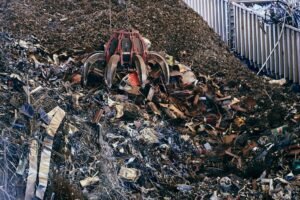
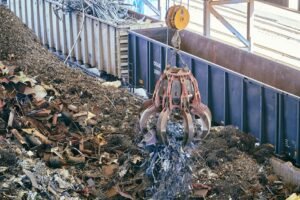
High-visibility clothing and steel-capped boots are compulsory beyond the weighbridge office. If you arrive without them, a vending machine sells a $15 kit. Pedestrian access is allowed only inside the marked yellow walkway; mobile phones must be stowed while crossing the yard because 40-tonne grapples operate continuously.
Walk-in customers with small crates or buy and sell samples under 50 kg can park on the eastern kerbside, sign in at the security hut and proceed on foot. Larger deliveries must stay inside the vehicle until directed to a tipping pad. The depot is open Monday to Friday 6 a.m.–4:30 p.m. and Saturday 6 a.m.–1 p.m.; gates close promptly to allow for nightly radiation calibration.
For regional alternatives, the team at Zores Scrap Yard Your Trusted Destination For Scrap Metal operates a similar walk-in policy if you are north of the harbour and want to avoid peak-hour traffic on the M5.
8. Conclusion: Turning Scrap into Sustainable Profit
The chullora scrap yard demonstrates that a modern recycling depot can deliver fast payment, strict environmental compliance and closed-loop supply to domestic mills—all within 20 minutes of the CBD. By understanding grades, preparing material correctly and timing the market, you can turn what was once waste into a consistent revenue stream while cutting carbon emissions in half compared with virgin extraction.
Bookmark this guide, share it with your demolition or fabrication team, and reference it whenever you need to check specs, prices or environmental credentials. For deeper dives into individual metals, visit the related articles linked throughout this page and keep your operation ahead of the market.
Related: st marys scrap yard
Related: industrial scrap yard
Frequently Asked Questions
Do I need to book before visiting Chullora scrap yard?
No. Walk-in customers are welcome before 3 p.m. on weekdays; simply bring photo ID and wear PPE. Larger industrial loads should pre-book via the online form to avoid queueing.
How quickly will I be paid?
Cash payments up to $1,000 are processed immediately. EFT for trade accounts lands same-day if scanned before noon, next business day after hours.
Can I sell insulated copper cable?
Yes. The yard buys insulated cable under grade #2, but you will earn 40 % more by stripping it to bare bright. A cable stripper is available for rent on-site.
Is there a minimum weight requirement?
No minimum for walk-ins; payment starts from 1 kg. However, loads under 100 kg attract a $5 processing fee to cover weighbridge costs.