
Coffs Harbour scrap metal recycling is a vital industry that supports both economic and environmental sustainability in regional NSW. From construction sites to automotive workshops, the region generates significant volumes of scrap metal that can be repurposed through advanced recycling technologies. Understanding the grades of scrap metal, the recycling process, and the environmental impact of this industry is essential for businesses and residents looking to participate in Coffs Harbour’s circular economy. This guide provides an in-depth exploration of Coffs Harbour scrap metal recycling, offering practical insights for maximizing value and minimizing waste.
Grades of Scrap Metal in Coffs Harbour
Scrap metal is categorized into broad grades based on material composition, purity, and potential reuse. In Coffs Harbour, the two primary classifications are ferrous and non-ferrous metals, each with distinct properties and market values:
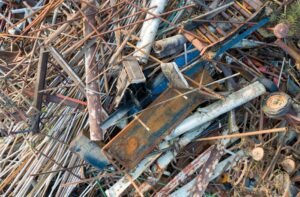
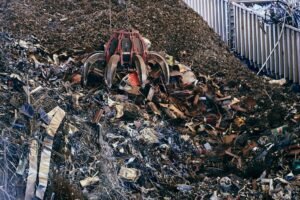
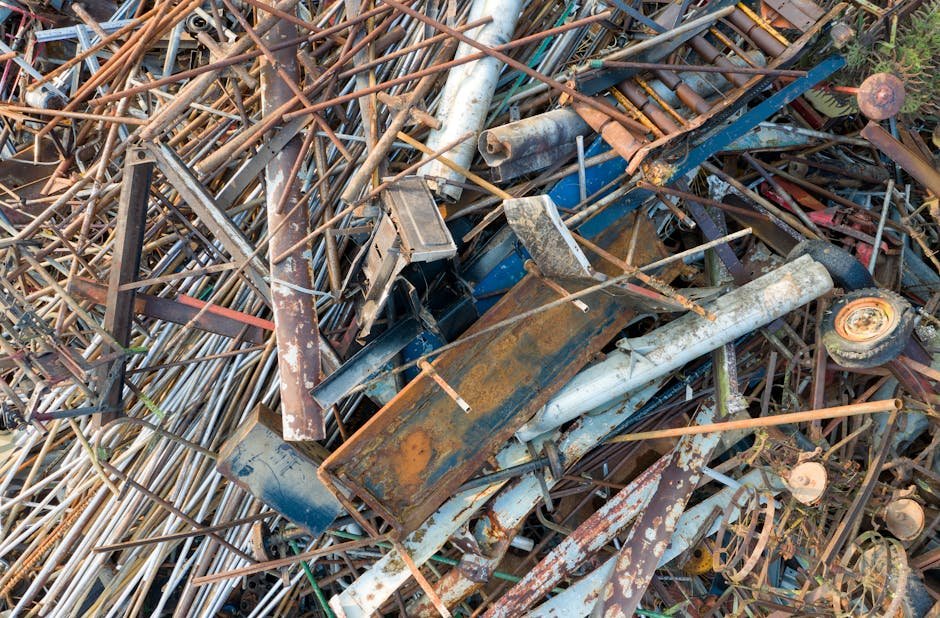
- Ferrous Metals: These contain iron and are magnetic. Common examples include steel, wrought iron, and cast iron. Ferrous scrap is widely used in construction and manufacturing due to its strength and durability. In Coffs Harbour, construction demolition projects often generate large volumes of ferrous scrap, which is processed at local facilities like Sims Metal Coffs Harbour.
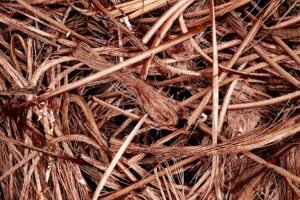
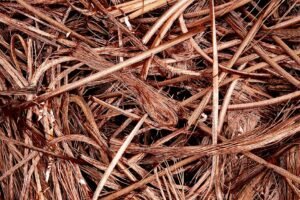
- Non-Ferrous Metals: These lack iron and are non-magnetic. Copper, aluminum, brass, and stainless steel fall into this category. Non-ferrous metals are prized for their resistance to corrosion and conductivity. Coffs Harbour’s industrial sector, including marine and agricultural equipment, frequently produces non-ferrous scrap that fetches higher prices than ferrous materials.
Specialized grades like stainless scrap metal also exist. Stainless steel contains chromium and nickel, making it highly valuable for food processing, medical equipment, and chemical industries. Proper sorting of these grades is crucial to maximize scrap metal prices and ensure efficient recycling.
How Scrap Metal Recycling Works in Coffs Harbour
The Coffs Harbour scrap metal recycling process follows a structured workflow to recover materials and reintroduce them into manufacturing cycles:
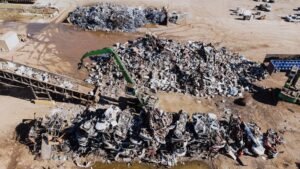
- Collection: Scrap is gathered from demolition sites, industrial facilities, and residential sources. Local scrap yards in Coffs Harbour provide free pickup services for large quantities, streamlining the process for businesses.
- Sorting: Materials are separated via manual inspection, magnetic separators, and X-ray fluorescence (XRF) scanners. This step ensures ferrous and non-ferrous metals are accurately categorized. Facilities like Sims Metal Coffs Harbour use advanced sorting technologies to handle mixed scrap efficiently.
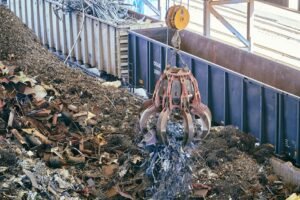
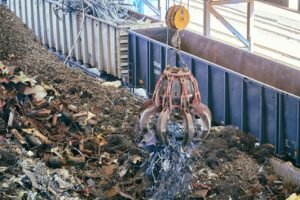
- Processing: Metals are shredded, compacted, or melted based on their grade. Ferrous scrap is often baled for steel mills, while non-ferrous materials undergo smelting to create ingots. Coffs Harbour’s proximity to regional ports enables swift transportation of processed scrap to recycling hubs.
- Reuse: Recycled metals are returned to manufacturers to produce new products. For example, steel rebars from old buildings may become automotive parts, reducing the need for virgin ore extraction.
Proper documentation is essential for compliance with Australian recycling regulations. Scrapping high-value items like copper wiring or stainless steel components requires proof of ownership to prevent theft. Scrap metal recycling near me services in Coffs Harbour often provide chain-of-custody certificates for businesses to meet legal requirements.
Environmental Benefits of Coffs Harbour Scrap Metal Recycling
Coffs Harbour scrap metal recycling significantly reduces environmental degradation by extending the lifecycle of raw materials. Here are three key benefits:
- Energy Savings: Recycling aluminum requires 95% less energy than producing it from bauxite ore. Similarly, steel recycling saves approximately 60% of the energy needed for virgin production. For Coffs Harbour’s industrial sector, this translates to lower emissions and reduced reliance on energy-intensive mining.
- Landfill Diversion: The Northern Tablelands region generates over 1 million tonnes of waste annually. By recycling metals, Coffs Harbour diverts hazardous materials like lead-acid batteries and copper wiring from landfills, preventing soil and water contamination.
- Carbon Reduction: A 2023 study by the Australian Recycling Industry Council found that every tonne of steel recycled avoids 1.5 tonnes of CO2 emissions. Coffs Harbour’s growing emphasis on Coffs Harbour scrap metal recycling positions it as a leader in regional climate action.
Local initiatives, such as the Coffs Harbour Regional Council’s Waste Management Strategy, incentivize businesses to audit their scrap output. Partnerships with national platforms like Scrap Trade help residents access competitive scrap metal prices while supporting closed-loop recycling.
Market Insights for Coffs Harbour Scrap Metal
Understanding market dynamics is critical for maximizing returns from Coffs Harbour scrap metal. Prices fluctuate based on global commodity demand, with non-ferrous metals often outperforming ferrous materials. For example:
- Steel: $100–$150 per tonne (ferrous scrap prices vary seasonally)
- Copper: $15,000–$20,000 per tonne (depending on purity)
- Aluminum: $2,000–$3,000 per tonne (common for beverage cans and auto parts)
Local traders monitor scrap metal prices in real time to adjust offers. Businesses generating consistent scrap volumes can negotiate long-term contracts with recyclers like Sims Metal Coffs Harbour. Additionally, scrap metal recycling near me services offer price comparisons to ensure fair valuation.
Practical Tips for Selling Scrap Metal in Coffs Harbour
Optimizing the value of Coffs Harbour scrap metal requires strategic planning. Here are actionable tips for individuals and businesses:
- Sort Materials: Separate ferrous and non-ferrous metals, and remove contaminants like plastic or paint. Clean scrap fetches higher prices due to reduced processing costs.
- Track Prices: Use scrap metal price guides to sell during market peaks. For instance, copper prices often rise during infrastructure booms.
- Partner with Reputable Recyclers: Choose facilities like Sims Metal Coffs Harbour that offer transparent pricing and eco-friendly practices. Avoid fly-by-night operations that may underpay or mishandle hazardous materials.
- Bundle Sales: Large-volume sellers can combine multiple grades in one transaction to reduce transportation costs. Use scrap metal recycling near me tools to locate bulk buyers.
For those new to the market, Sell Scrap Metal Near Me In 2026 provides a comprehensive guide to navigating regional regulations and securing the best deals.
Challenges and Opportunities in Coffs Harbour’s Recycling Sector
While Coffs Harbour scrap metal recycling offers substantial benefits, the industry faces challenges that require innovative solutions:
- Logistical Constraints: Coffs Harbour’s remote location increases transportation costs compared to major urban centers. Collaborative initiatives between local recyclers and regional ports are addressing this through bulk shipping.
- Technological Gaps: Smaller recyclers may lack advanced sorting equipment, limiting their ability to handle complex grades. Partnerships with national platforms like ScrapTrade provide access to cutting-edge processing facilities.
- Public Awareness: Many residents are unaware of the value of household metals like copper wiring or stainless steel appliances. Educational campaigns by the Coffs Harbour Regional Council aim to boost participation in community recycling programs.
Despite these hurdles, the sector is growing. The Australian Bureau of Statistics reports a 12% increase in regional scrap metal recycling over the past five years, with Coffs Harbour at the forefront of this trend.
Conclusion
Coffs Harbour scrap metal recycling is a cornerstone of sustainable resource management in regional Australia. By understanding grades, optimizing the recycling process, and leveraging market insights, businesses and residents can contribute to environmental preservation while generating economic value. Whether you’re managing construction waste, automotive dismantling, or household scrap, partnering with certified recyclers and utilizing scrap metal price tools ensures responsible disposal and competitive returns. As the demand for recycled materials grows, Coffs Harbour’s commitment to innovation and sustainability will continue shaping the future of the Australian recycling industry.
Frequently Asked Questions
What types of scrap metal are accepted in Coffs Harbour?
Coffs Harbour accepts both ferrous (iron/steel) and non-ferrous (copper, aluminum, stainless steel) metals. High-value items like copper wiring and stainless steel command premium prices.
How can I check current scrap metal prices in Coffs Harbour?
Use scrap metal price guides to track real-time market values. Local recyclers like Sims Metal also provide daily rate updates.
Are there environmental benefits to recycling scrap metal?
Yes. Recycling reduces energy use by up to 60% for steel and 95% for aluminum, diverts hazardous waste from landfills, and lowers CO2 emissions compared to virgin production.
How do I find a certified scrap metal recycler in Coffs Harbour?
Use scrap metal recycling near me services to locate certified recyclers. Prioritize facilities with chain-of-custody compliance for sensitive materials.