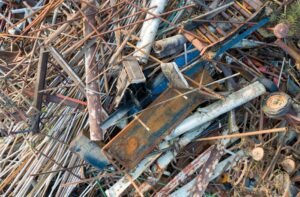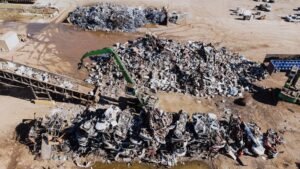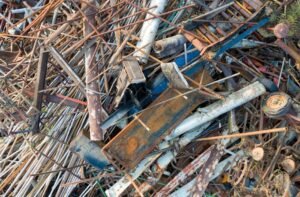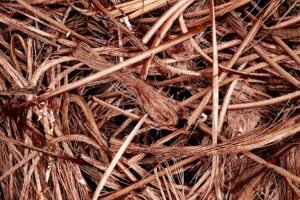

Coffs scrap metal is big business on the Mid North Coast. Whether you’re a tradie cleaning out the shed, a demolition contractor stripping reo, or a retiree cashing in a shed-full of aluminium pots, understanding grades, prices and the environmental payoff will put more money in your pocket and less waste in regional landfill. This pillar guide walks you through everything you need to know about coffs scrap metal—from identifying alloys to finding the best Scrap Metal Prices on any given day.
1. What Counts as Coffs Scrap Metal? Local Stream Overview
Every tonne of metal recycled in the Coffs Harbour LGA starts its journey in one of three main streams:
- Domestic: Household bins, verge pickups, council drop-off days.
- Commercial: Off-cuts from shops, HVAC installers, auto repairers.
- Industrial & Demolition: Rebar, beams, shipyard scrap, rail line offcuts.
Unlike metropolitan yards that rely on rail sidings, Coffs facilities depend on B-double trucks running up and down the Pacific Highway. This transport cost is embedded in gate prices, so knowing how to separate and clean your scrap boosts your final payment.
2. Breaking Down Scrap Metal Grades: From Bare Bright to HMS
Correct grading is the fastest way to boost returns. Australian yards use global specifications (ISRI & BIR) with local tweaks. Below are the key grades you’ll see quoted at every coffs scrap metal yard.
2.1 Non-Ferrous Grades
- Copper
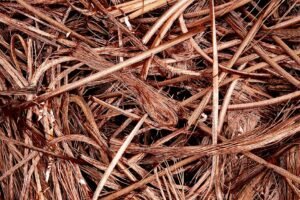
- Bare Bright (Millberry) – clean, unalloyed >99% Cu, no oxidation, no solder.
- #1 Copper – clean pipe or wire, minimal patina allowed.
- #2 Copper – painted, soldered or coated; priced 10–15% lower.
- Copper/Aluminium Radiators (CuAl) – split payment based on copper recovery.
- Aluminium
- Extrusion 6061/6063 – window frames, screen rails, free of steel inserts.
- Cast Aluminium – engine blocks, gearboxes; lower recovery rate.
- Aluminium/Copper Coils (Evapcon) – common in air-conditioners.
- Brass & Bronze
- Yellow Brass – plumbing fittings, valves.
- Red Brass (85% Cu) – better conductivity, higher price.
- Gunmetal & Phosphor Bronze – bearings, marine castings.
2.2 Ferrous Grades
- HMS 1&2 (Heavy Melting Steel) – 6 mm+ thickness, no galvanised, no cast.
- Plate & Girder – 5 mm+, cut to ≤1.5 m.
- Rebar – usually discounted 10% because of embedded concrete.
- Shred (Fragmentised) – household whitegoods fed through shredder.
- Cast Iron – engine blocks, storm-water pipes.
2.3 Stainless Steel & Exotics
304 and 316 solids attract a premium when free of contaminants. Always keep Ni-Cr alloys separate; one piece of 316 in your 304 bundle can lift value $0.30/kg.
3. How Scrap Metal Recycling Works in Coffs Harbour
The local recycling chain has six clear steps:
- Collection & Drop-off: Households and trades deliver to Moonee Beach or South Coffs depots, or use mobile bin swap services.
- Weighing & Grading: Certified weighbridges record gross and tare; inspectors visually grade each commodity.
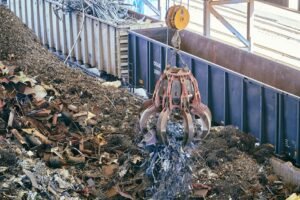
- Shearing & Baling: Overhead cranes feed light-gauge material into balers; heavy steel is guillotined to ≤1 m.
- Media Separation: Eddy-current, magnetic and hand-picking lines segregate non-ferrous fractions.
- Containerisation & Export: Most non-ferrous is stuffed into 20 ft containers and railed to Port of Brisbane; ferrous is trucked to South Korean mills.
- Smelting & Re-melt: Secondary smelters turn scrap into billet, cathode or foundry ingot, closing the loop.
Each step adds cost but also carbon savings compared with virgin mining. For a deeper dive into regional logistics, read our page on coffs harbour scrap metal.
4. Environmental Benefits Specific to the Mid North Coast
Mining on the Coffs Coast stopped decades ago, yet residents still benefit financially and ecologically from scrap recycling. Key impacts:
- Landfill Diversion: Every tonne of steel recycled saves 1.13 t of iron ore, 0.5 t of coal and 0.17 t of limestone.
- Energy Reduction: Aluminium remelted from scrap uses 95% less energy than bauxite refining; on a grid still 65% fossil-powered, that matters.
- Transport Efficiency: Shipping containers of processed scrap via Port of Brisbane reduces truck kilometres compared with sending unprocessed waste to landfill at Urunga or Raleigh.
- Marine Protection: Less landfill leachate means lower nutrient run-off into the Solitary Islands Marine Park.
These regional advantages make coffs scrap metal recycling one of the easiest personal climate actions households can take today.
5. Current Scrap Metal Prices in Coffs: What Drives the Quotes?
Gate prices fluctuate daily based on London Metal Exchange (LME) and USD/AUD swings. Local factors include:
- Fuel levy (Pacific Highway freight).
- Container availability at Port of Brisbane.
- Competition between two main yards in the region.
- Cleanliness of scrap (downgrade penalties).
As of this week, typical Coffs yard prices (pickup weight, per kg) are:
| Grade | Price AUD |
|---|---|
| Bare Bright Copper | $11.20–$11.60 |
| #1 Copper | $10.70 |
| Aluminium Extrusion | $1.85 |
| 304 Stainless Solids | $2.20 |
| HMS 1&2 | $0.43 |
| Shred Steel | $0.18 |
View live updates on our Scrap Metal Prices page and lock in value before the next shipment sails.
6. Practical Tips to Maximise Cash for Your Scrap in Coffs
- Strip Insulated Wire: A $12 automatic stripper pays for itself after 30 kg of #1.
- De-valve Brass: Remove steel screws; one valve can downgrade an entire 20 kg drum to mixed.
- Keep Alloys Separate: 316 splash from boatyards belongs in its own drum.
- Drain Fluids: Engines with oil attract $0.10/kg deduction and may be rejected.
- Cut to Spec: Anything over 1.5 m is charged a shear fee at $40/tonne.
- Weigh-in Early: Prices are valid until 2 pm; late trucks miss the day rate.
- Bundle Coupons: Some yards give a printable loyalty coupon after five visits—stack with volume bonuses.
Need a yard right now? Use our locator to Scrap Metal Recycling Near Me or plan ahead for next year with Sell Scrap Metal Near Me In 2026.
7. Comparing Coffs with Dubbo and Other Regional Hubs
While Coffs enjoys coastal transport links, inland centres like Dubbo face higher freight. The inland rail project is expected to shave $8/tonne from Dubbo to Port of Newcastle, tightening competition. If you operate across regions, compare pricing on our dubbo scrap metal profile page.
8. Frequently Asked Questions About Coffs Scrap Metal
Q1: Do I need to separate ferrous from non-ferrous before arrival?
Yes. Mixed loads are paid at ferrous rates, costing you up to $10/kg on copper. Use a handheld magnet to pre-sort at home.
Q2: Are there gate fees for domestic customers?
No. Households delivering under 250 kg receive free tipping and immediate cash payment; commercial loads over 5 tonnes may negotiate a volume bonus.
Q3: Can I recycle lithium-ion batteries with my scrap?
Batteries must stay separate. They are classified as e-waste and accepted only on designated drop-off days to prevent thermal fires in shredders.
Q4: How do I know if my copper pipe is #1 or #2?
If the pipe is clean, uncoated and free of solder, it’s #1. Any paint, solder or chemical patina drops it to #2 and reduces the price by roughly 10%.
Conclusion: Turning Scrap into Cash and Carbon Savings
Understanding grades, preparing your load and timing the LME cycle are the three levers that put more cash in your hand while keeping the Mid North Coast clean. Bookmark this guide, check Scrap Metal Prices daily, and share it with anyone asking where to sell scrap metal responsibly. For broader state coverage, explore Australia-wide scrap solutions and stay ahead of the market.
Frequently Asked Questions
Do I need to separate ferrous from non-ferrous before arrival?
Yes. Mixed loads are paid at ferrous rates, costing you up to $10/kg on copper. Use a handheld magnet to pre-sort at home.
Are there gate fees for domestic customers?
No. Households delivering under 250 kg receive free tipping and immediate cash payment; commercial loads over 5 tonnes may negotiate a volume bonus.
Can I recycle lithium-ion batteries with my scrap?
Batteries must stay separate. They are classified as e-waste and accepted only on designated drop-off days to prevent thermal fires in shredders.
How do I know if my copper pipe is #1 or #2?
If the pipe is clean, uncoated and free of solder, it’s #1. Any paint, solder or chemical patina drops it to #2 and reduces the price by roughly 10%.