
When searching for companies that buy scrap metal, it is essential to understand the complex ecosystem of the Australian recycling industry. Whether you are a construction firm, a demolition contractor, or a commercial enterprise, identifying a reliable partner is the first step toward optimizing your waste management and maximizing your return on investment. The industry is governed by strict environmental standards and fluctuating market demands, making it vital to work with professional entities that provide transparency in weighing, grading, and payment.
The Landscape of Companies That Buy Scrap Metal in Australia
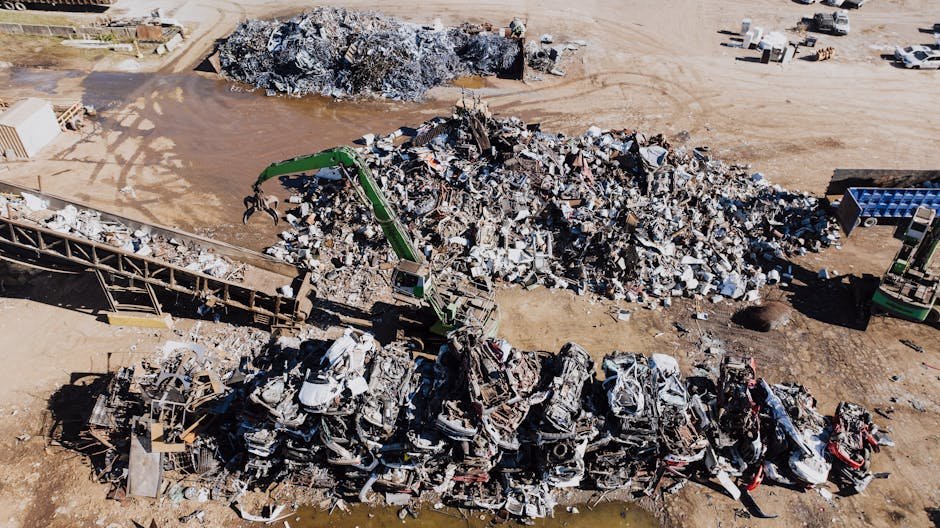
The Australian scrap metal market is vast, ranging from local collection yards to international export hubs. When you look for companies that buy scrap metal, you are essentially looking for an intermediary that can bridge the gap between waste generation and industrial re-manufacturing. These buyers play a critical role in the circular economy by ensuring that finite resources like copper, aluminum, and steel are diverted from landfills and returned to the production cycle.
For those looking to engage with the market, it is important to know buy scrap metal services are not one-size-fits-all. Some buyers specialize in high-volume industrial scrap, while others focus on small-scale domestic collections. To ensure you are getting the best market value, you must first understand the Factors That Affect Scrap Metal Rates, which include global commodity prices, the purity of the metal, and logistics costs associated with transport.
If you are operating in specific regions, the landscape changes. For instance, if you need to buy scrap metal emerald, you will find that regional logistics and local demand dictate the availability of stock. Similarly, for businesses looking to Buy Scrap Metal Darwin Northern Territory In 2026, planning for future infrastructure and supply chain reliability is key. Reliable scrap metal trading platforms provide the data and connectivity needed to navigate these regional differences effectively.
Understanding Metal Grades and Classification
To maximize your revenue, you must understand how professional metal buyers classify materials. Scrap is generally divided into two main categories: ferrous and non-ferrous. Ferrous metals contain iron and are magnetic, such as steel and iron. Non-ferrous metals, which do not contain iron, are generally more valuable and include copper, aluminum, brass, and lead. Within these categories, there are specific grades that determine the price.
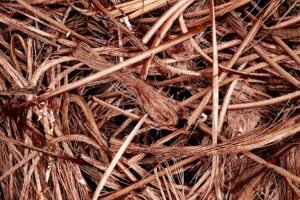
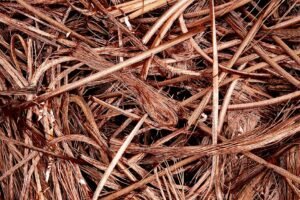
For example, in the copper market, ‘Bright and Shiny’ (bare, unalloyed copper wire) commands a premium price compared to ‘Burnt Copper’ or ‘Copper Piping’ with fittings. Trusted dealers use precise testing equipment, such as X-ray fluorescence (XRF) analyzers, to verify the composition of the metal. This ensures that the seller is paid accurately based on the actual alloy content rather than an estimation. If you are looking for specific material types, Where To Buy Bulk Scrap Metal From Verified Sellers is a common query that leads to professional trading networks where quality assurance is guaranteed.
The Recycling Process: From Scrap to Commodity
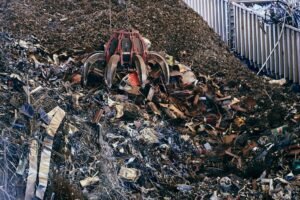
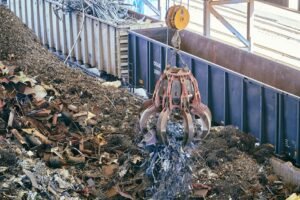
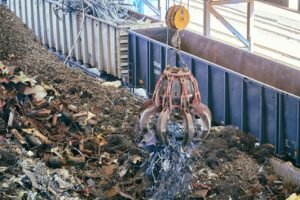
The journey of scrap metal from a demolition site to a new product is a sophisticated industrial process. Once a buyer collects the scrap, it undergoes a series of stages. First, the material is sorted. Advanced facilities use magnetic separators for ferrous metals and eddy current separators for non-ferrous materials. This is followed by shredding, where large items are broken down into smaller pieces to increase the surface area for processing.
After shredding, the metal is melted down in furnaces. During this stage, impurities are removed, and the molten metal is cast into ingots or billets. These ingots are then sold to manufacturers to create everything from new car parts to structural beams for buildings. By utilizing professional Australian scrap metal recycling services, businesses contribute to a significant reduction in energy consumption. Recycling aluminum, for instance, requires 95% less energy than producing it from virgin bauxite ore. This environmental benefit is a core pillar of the modern scrap industry.
How to Identify Trusted Metal Buyers
Not all buyers are created equal. When researching companies that buy scrap metal, you should prioritize those with a proven track record, proper licensing, and transparent business practices. A trusted buyer will always provide a clear breakdown of the weight and the grade of the material they are purchasing. They should also be able to provide documentation regarding their environmental compliance and safety standards.
Key indicators of a reputable buyer include: 1. Clear, public pricing policies or a commitment to market-linked rates. 2. Modern, calibrated weighing scales that are regularly audited. 3. A professional logistics network that can handle the volume of scrap you produce. 4. A focus on sustainability and ethical sourcing. Avoid companies that offer ‘off-the-book’ cash payments without documentation, as these are often indicators of poor regulatory compliance and potential legal risks for your business.
Logistics and Transport Considerations
For large-scale operations, the cost of transporting scrap metal can often outweigh the value of the material itself. This is why location and logistics are paramount. If you are dealing with bulk quantities, you need a partner that offers roll-on/roll-off bin services, crane trucks, or flatbed transport. Many top-tier scrap companies provide these services as part of their procurement package.
When planning your logistics, consider the frequency of collection and the storage capacity on your site. Keeping different types of scrap separated at the source is the most effective way to ensure you receive the highest possible price. Mixing grades—such as putting copper in with steel—will result in the entire batch being downgraded to the lowest common denominator, significantly reducing your profit margin. By maintaining clean, sorted streams of metal, you make the job easier for the buyer and more profitable for yourself.
The Future of the Australian Scrap Industry
The scrap metal industry is currently undergoing a digital transformation. The rise of online trading platforms is making the market more transparent and accessible. Sellers no longer have to rely solely on local yard prices; they can now access real-time market data and connect with buyers across the country. This shift toward digital procurement is helping to stabilize prices and improve the efficiency of the supply chain.
Furthermore, as Australia moves toward a more circular economy, the demand for high-quality recycled metal is expected to grow. Government initiatives focused on reducing landfill waste and increasing the recycling of construction and demolition materials are creating new opportunities for businesses to monetize their scrap. Staying informed about these regulatory changes and technological advancements will be crucial for any business that regularly generates scrap metal.
Environmental Benefits and Corporate Social Responsibility
Beyond the financial incentives, recycling scrap metal is one of the most impactful ways a business can reduce its carbon footprint. The mining and refining of raw ores are extremely energy-intensive and environmentally destructive processes. By reintroducing metals into the production cycle, companies that buy scrap metal are directly helping to conserve natural resources and reduce the greenhouse gas emissions associated with primary metal production.
Adopting a robust scrap recycling policy is a tangible demonstration of corporate social responsibility (CSR). It shows that your organization is committed to sustainable practices and is actively working to minimize its environmental impact. Many clients and stakeholders now look for this level of environmental stewardship when choosing who to do business with, making scrap recycling a key component of a modern, responsible business strategy.
Practical Tips for Maximizing Scrap Value
To get the most out of your scrap sales, follow these expert tips: 1. Keep it clean: Remove non-metallic attachments like plastic, wood, or rubber. 2. Sort by grade: Keep copper, brass, and aluminum in separate bins. 3. Understand the market: Keep an eye on global commodity prices (LME) to time your sales. 4. Build relationships: Partner with a consistent buyer who understands your business needs. 5. Safety first: Always wear appropriate PPE when handling scrap, as it can be sharp and heavy. By following these simple steps, you can ensure that your scrap metal program is both efficient and highly profitable.
Conclusion
Navigating the world of scrap metal trading requires knowledge, the right partners, and a strategic approach. By understanding how to identify reputable companies that buy scrap metal, you can turn your waste into a valuable revenue stream while supporting a more sustainable future for Australia. Whether you are a small contractor or a large industrial firm, the principles of proper sorting, transparent trading, and efficient logistics remain the same. Use the resources available through trusted platforms to stay ahead of the market and ensure your metal assets are managed with the professionalism they deserve.
Frequently Asked Questions
How do I find the best price for my scrap metal?
To get the best price, you should research current market rates for specific metal grades and contact multiple reputable buyers for quotes. Always ensure your scrap is sorted by type and cleaned of non-metallic contaminants to maximize its value.
What is the difference between ferrous and non-ferrous scrap?
Ferrous metals contain iron, are magnetic, and include items like steel and iron. Non-ferrous metals do not contain iron, are non-magnetic, and include higher-value materials like copper, aluminum, and brass.
Why is it important to sort my scrap metal?
Sorting your scrap prevents cross-contamination, which allows buyers to offer higher prices for pure grades. Mixing different types of metal often results in the entire load being valued at the lowest grade present.
Does recycling scrap metal actually help the environment?
Yes, recycling scrap metal significantly reduces the need for mining virgin ore, which saves vast amounts of energy and reduces carbon emissions. It is a fundamental component of the circular economy and environmental sustainability.