
In Australia, a metal scarp yard serves as a critical hub for turning unwanted ferrous and non‑ferrous materials into valuable resources, supporting both the automotive sector and broader industrial recycling chains.
What Is a Metal Scarp Yard?
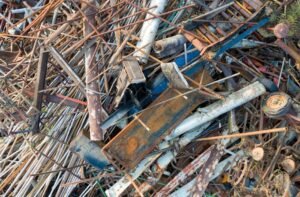
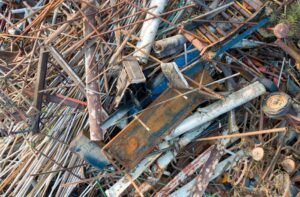
A metal scarp yard, often called a scrap yard or recycling depot, is a designated location where individuals, businesses, and car wreckers bring unwanted metal items for proper disposal and recovery. These facilities accept a wide range of materials, from bulky steel beams to shredded copper wire, and they operate under strict environmental and safety standards set by state and federal authorities. The term “scarp” reflects the yard’s role in handling scrap that would otherwise become waste, converting it into raw material for manufacturers.
How Metal Scarp Yards Operate in Australia
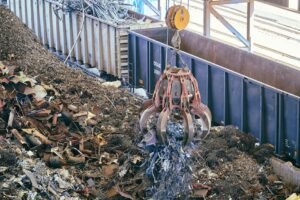
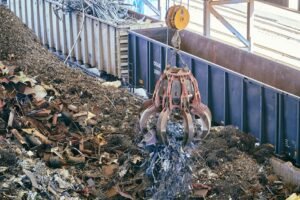
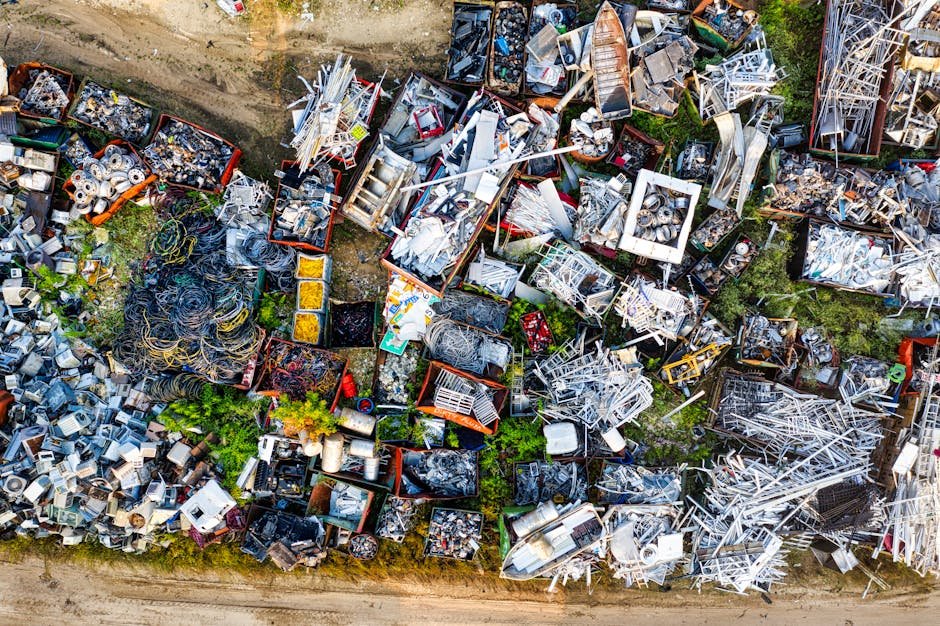
Australian metal scarp yards follow a structured workflow: intake, inspection, categorisation, processing, and dispatch. Upon arrival, each load is inspected for hazardous components such as oil, batteries, or asbestos. Items that contain hazardous substances are segregated for specialised treatment. The remaining metal is sorted by type—steel, aluminium, copper, brass, etc.—using both manual expertise and automated technologies like magnetic separators and eddy‑current conveyors. After sorting, the metal is either baled, shredded, or melted, depending on market demand and the yard’s capabilities. Finally, the processed material is sold to metal recyclers, manufacturers, or exported to overseas smelters.
Key Services Offered by Metal Scarp Yards
- Vehicle Recycling (ELV Processing): Handling end‑of‑life vehicles (ELVs) by dismantling, draining fluids, and extracting reusable parts.
- Auto Parts Recovery: Recovering valuable components such as engines, transmissions, and catalytic converters for resale.
- Bulk Metal Collection: Accepting large quantities of scrap steel, aluminium, and copper from construction sites.
- On‑Site Pick‑Up Services: Providing trucks to collect scrap directly from businesses or households.
- Metal Grading and Certification: Issuing certificates that verify the grade and purity of the metal for buyers.
- Environmental Compliance Consulting: Advising clients on how to meet local waste‑management regulations.
Understanding Scrap Metal Pricing and Market Trends
Scrap metal prices fluctuate daily based on global commodity markets, exchange rates, and domestic demand. To stay competitive, metal scarp yards monitor the London Metal Exchange (LME) and Australian Commodity Futures markets. Prices are typically quoted per tonne for ferrous metals (e.g., mild steel) and per kilogram for non‑ferrous metals (e.g., copper). Seasonal factors, such as construction booms or automotive production cycles, also influence pricing. For real‑time updates, many yards reference dedicated pricing pages like scarp metal prices to inform sellers and buyers alike.
Vehicle Recycling and ELV Processing at Metal Scarp Yards
Car wreckers and automotive dismantlers rely heavily on metal scarp yards for the final stage of vehicle recycling. When an end‑of‑life vehicle (ELV) arrives, the yard follows a strict protocol: fluids are drained, batteries are removed, and hazardous components are disposed of according to the National Environment Protection Measure (NEPM) for Vehicle Recycling. The remaining chassis, engine blocks, and body panels are then sorted. High‑value auto parts—such as catalytic converters, which contain precious metals like platinum—are extracted and sold separately, often fetching premium prices. The leftover metal is processed in the same manner as other scrap, contributing to the circular economy.
Choosing the Right Metal Scarp Yard: Practical Tips
When selecting a yard, consider the following criteria:
- Licensing and Accreditation: Verify that the yard holds a current licence from the state environment department.
- Pricing Transparency: Look for yards that publish up‑to‑date scarp metal prices and offer clear weight‑based calculations.
- Location and Accessibility: Proximity reduces transport costs; use tools like Metal Scrap Yard Near Me to find nearby options.
- Service Range: Choose yards that accept the types of metal you generate, from ferrous steel to specialised alloys.
- Reputation and Reviews: Check online testimonials and industry references.
- Environmental Practices: Ensure the yard follows best practices for waste segregation and recycling.
For a trusted example, many Australian recyclers recommend Zores Scrap Yard Your Trusted Destination For Scrap Metal due to its transparent pricing, comprehensive services, and strong compliance record.
Regulations, Environmental Compliance, and Safety
Metal scarp yards operate under a framework of legislation that includes the Environment Protection Act (EPA) of each state, the Work Health and Safety (WHS) Act, and the National Waste Policy. Key compliance points include:
- Maintaining a waste‑tracking system for all inbound and outbound materials.
- Implementing dust suppression measures to meet air‑quality standards.
- Providing personal protective equipment (PPE) and safety training for all staff.
- Ensuring proper storage of hazardous waste, such as oil drums and batteries.
- Submitting regular reports to the state environmental regulator.
Non‑compliance can result in hefty fines, license suspension, or legal action. Therefore, yards often partner with consultants to audit their processes and keep documentation up‑to‑date.
Future Outlook: Technology and Sustainability in Metal Recycling
Advancements in automation, artificial intelligence, and data analytics are reshaping metal scarp yards. Smart sensors now monitor load weight, composition, and moisture content in real time, improving sorting accuracy and reducing contamination. AI‑driven image recognition can identify metal types on conveyor belts, speeding up processing and lowering labour costs. Moreover, the industry is moving toward a circular‑economy model where more of the material is retained domestically, reducing reliance on overseas smelting and cutting carbon emissions.
Government incentives, such as the Australian Renewable Energy Agency (ARENA) grants for green technologies, further encourage yards to invest in energy‑efficient furnaces and renewable power sources. As consumer awareness grows, businesses that demonstrate robust sustainability practices—like using recycled steel in construction—gain a competitive edge.
Practical Steps to Sell Your Scrap Metal Efficiently
Whether you are an individual with a small batch of copper wire or a construction firm with tonnes of steel, the following steps streamline the selling process:
- Sort and Clean: Separate ferrous from non‑ferrous metals and remove non‑metal contaminants.
- Weigh Accurately: Use a calibrated scale; many yards provide on‑site weighing services.
- Check Current Rates: Reference the latest market data on sites like scarp metal prices before negotiating.
- Arrange Transport: For large loads, schedule a pick‑up through the yard’s logistics team.
- Obtain Documentation: Request a receipt or certificate of sale, which may be needed for tax or compliance reporting.
For forward‑looking businesses, exploring options like Sell Scrap Metal Near Me In 2026 can provide insights into emerging platforms and digital marketplaces that streamline transactions.
Connecting with the Wider Recycling Community
Engaging with industry associations such as the Australian Recycling Association (ARA) or the Scrap Metal Dealers Association (SMDA) offers networking opportunities, access to training, and updates on regulatory changes. Online forums and webinars also provide platforms to share best practices, discuss price trends, and explore new technologies.
For a comprehensive portal that aggregates yard locations, pricing tools, and industry news, visit Scrap Trade. The site also links to the Australian counterpart ScrapTrade Australia, which focuses on local market nuances and regional compliance guidelines.
Conclusion
The metal scarp yard ecosystem is a cornerstone of Australia’s resource recovery strategy. By understanding how these facilities operate, staying informed about pricing dynamics, adhering to strict environmental regulations, and leveraging emerging technologies, both sellers and buyers can maximise value while contributing to a sustainable future. Whether you are a car wrecker processing ELVs, a construction firm disposing of steel, or an individual with a handful of copper wire, the right metal scarp yard—such as those highlighted above—offers a reliable pathway to turn waste into profit.
Related: scarp metal
Frequently Asked Questions
What types of metal can I bring to a metal scarp yard?
Most yards accept ferrous metals like steel and iron, as well as non‑ferrous metals such as aluminium, copper, brass, and lead. Some facilities also take specialised alloys, but it’s best to confirm beforehand.
How are end‑of‑life vehicles processed at a metal scarp yard?
ELVs are first drained of fluids, then hazardous components are removed. Valuable auto parts are extracted for resale, and the remaining chassis and body panels are sorted and recycled as scrap metal.
Do metal scarp yards provide price guarantees?
Many yards publish daily rates and may offer price guarantees for a short window, typically 24‑48 hours. Always check the latest scarp metal prices before selling.
Is it legal to sell scrap metal without a licence?
In Australia, individuals can sell scrap metal without a licence, but commercial sellers must hold a valid scrap‑metal licence and comply with state waste‑management regulations.