
Ingleburn, NSW residents and businesses increasingly rely on scrap metal ingleburn nsw services to turn unwanted metal into valuable resources while supporting a circular economy.
Overview of Scrap Metal Recycling in Ingleburn, NSW
Scrap metal recycling in Ingleburn is governed by both state regulations and local council initiatives that aim to divert metal waste from landfill. The Scrap Trade platform provides a centralized marketplace where sellers can connect with licensed recyclers. The process begins with the collection of ferrous (iron and steel) and non‑ferrous (copper, aluminium, brass) metals, followed by sorting, cleaning, and melting. Because metal can be recycled indefinitely without loss of quality, Ingleburn’s recycling loop contributes to national targets for waste reduction and resource efficiency.
Grades of Scrap Metal Commonly Collected in Ingleburn
Understanding the grades of scrap metal is essential for maximizing value. In Ingleburn, recyclers typically accept the following categories:
- Ferrous Metals: Includes mild steel, stainless steel, cast iron, and rebar. These are magnetic and are usually sold by weight.
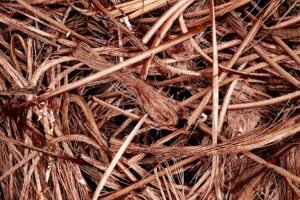
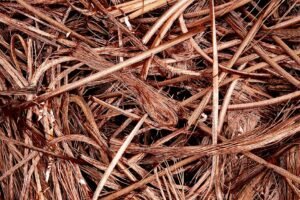
- Non‑Ferrous Metals: Includes copper, aluminium, brass, bronze, and zinc. These command higher prices due to their conductivity and lightweight properties.
- Mixed Metal Assemblies: Items such as appliances, motor vehicles, and machinery that contain both ferrous and non‑ferrous components. These require dismantling before grading.
- Specialty Alloys: High‑grade alloys used in aerospace or medical equipment, which are sold to niche smelters at premium rates.
Each grade has a distinct market price, reflected on the Scrap Metal Prices page, which updates weekly based on global commodity trends. Accurate grading ensures that you receive the best possible payment and that the downstream smelting process runs efficiently.
How the Recycling Process Works from Collection to Smelting
The recycling journey for scrap metal in Ingleburn follows a systematic series of steps designed to preserve material integrity and reduce environmental impact:
- Collection & Transportation: Licensed haulers collect metal from residential bins, commercial sites, and demolition projects. Vehicles are required to meet NSW emission standards, reducing carbon output during transit.
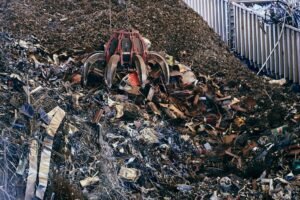
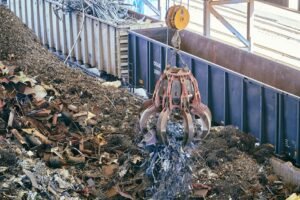
- Initial Sorting: Upon arrival at a recycling centre, magnets separate ferrous from non‑ferrous metals. Manual inspection removes contaminants such as wood, plastic, and hazardous materials.
- Shredding & Size Reduction: Large items are shredded to uniform size, which improves furnace efficiency and lowers energy consumption.
- Advanced Sorting Technologies: Eddy‑current separators, optical scanners, and X‑ray fluorescence (XRF) devices further differentiate metals by composition, ensuring purity.
- Melting & Refining: Sorted metals are melted in electric arc furnaces (for steel) or induction furnaces (for copper and aluminium). Energy recovery systems capture waste heat, converting it to electricity for the plant.
- Casting & Forming: Molten metal is cast into billets, ingots, or slabs, which are then rolled or extruded into new products, completing the circular loop.
Throughout this chain, strict compliance with the Australian Standard AS 3745‑2010 for emergency planning and the Environment Protection Authority (EPA) guidelines ensures safety and environmental stewardship.
Environmental Benefits of Scrap Metal Recycling in NSW
Recycling metal yields substantial environmental advantages compared with virgin ore extraction:
- Energy Savings: Producing recycled aluminium uses up to 95% less energy than primary production, while recycled steel saves about 60%.
- Reduced Greenhouse Gas Emissions: Lower energy demand translates to fewer CO₂ emissions, supporting NSW’s Net Zero by 2050 commitment.
- Conservation of Natural Resources: Recycling reduces the need for mining bauxite, iron ore, and copper ore, preserving ecosystems and biodiversity.
- Landfill Diversion: Metal makes up roughly 5% of municipal waste by weight but occupies a disproportionate volume in landfills. Diverting it frees space for organic waste composting.
- Pollution Prevention: Smelting of recycled metal emits fewer particulates and heavy metals than processing raw ore, improving air quality for local communities.
These benefits are quantified in the NSW Department of Planning, Industry and Environment’s 2023 report, which estimates that every tonne of recycled steel prevents the emission of 1.8 tonnes of CO₂ equivalent.
Practical Tips for Residents and Businesses in Ingleburn
Whether you are a homeowner with a few copper wires or a construction firm handling demolition debris, following best practices will streamline your recycling experience:
- Separate Materials Early: Keep ferrous and non‑ferrous metals separate at the source to reduce handling time at the centre.
- Remove Contaminants: Strip off paint, insulation, and non‑metal attachments. Clean metal surfaces improve furnace efficiency.
- Know the Weight Limits: Most local drop‑off points accept loads up to 2 tonnes per vehicle; larger volumes may require a licensed hauler.
- Use Accredited Services: Verify that the recycler holds an NSW licence and is a member of the Australian Scrap Metal Recycling Association (ASMA).
- Leverage Online Marketplaces: Platforms like Scrap Trade allow you to compare rates instantly and schedule pick‑ups.
- Stay Informed on Prices: Monitor the Scrap Metal Prices page daily, as market fluctuations can affect your revenue.
- Document Transactions: Keep receipts for tax deductions and compliance with the Australian Taxation Office (ATO) guidelines on scrap sales.
By integrating these steps, Ingleburn residents can turn waste into profit while contributing to a greener economy.
Market Prices and How to Get the Best Rate
Metal prices are driven by global demand, exchange rates, and regional supply chains. In 2024, the average price for clean aluminium in NSW hovered around $2,300 per tonne, while copper fetched $9,500 per tonne. Ferrous steel rates were approximately $250 per tonne, reflecting its abundance.
To secure the optimal price for your scrap, consider the following strategies:
- Timing: Prices peak during construction booms and dip during economic slowdowns. Align your sales with market highs.
- Quality Over Quantity: High‑purity, well‑sorted metal commands premium rates; contaminated loads are discounted.
- Negotiation: Use the data from the Scrap Metal Prices page as leverage when discussing rates with haulers.
- Volume Discounts: Some recyclers offer better per‑tonne rates for larger shipments, especially for non‑ferrous metals.
- Long‑Term Contracts: Businesses can lock in price floors through annual agreements, reducing exposure to market volatility.
For a real‑time snapshot of local rates, visit the Sell Scrap Metal Near Me In 2026 guide, which lists the top-rated recyclers in Ingleburn and surrounding suburbs.
Connecting with Local Recycling Services
Ingleburn offers several reputable facilities that specialise in both ferrous and non‑ferrous processing. When searching online, use the phrase ingleburn scrap metal to locate dedicated pages that outline service hours, accepted grades, and contact information. For on‑site collection, the term scrap metal recycling ingleburn will direct you to providers that offer door‑to‑door pick‑up, essential for large demolition projects.
Additionally, the Scrap Trade Australia network connects you with certified processors across the state, ensuring compliance with the NSW Environment Protection Authority’s waste handling regulations.
By leveraging these resources, you can confidently navigate the scrap metal market, contribute to environmental stewardship, and realise financial returns from materials that would otherwise occupy landfill space.
Conclusion: Turning Waste into Wealth in Ingleburn
Scrap metal ingleburn nsw represents a mature, well‑structured ecosystem where grades are clearly defined, processes are transparent, and environmental benefits are measurable. Whether you are a homeowner with a few copper wires, a small business disposing of old machinery, or a large construction firm managing demolition debris, the steps outlined above will help you maximise profit, minimise ecological impact, and stay compliant with Australian regulations. Embrace the circular economy today by partnering with licensed recyclers, staying informed on market prices, and using trusted platforms such as Scrap Trade to streamline your transactions. Together, Ingleburn’s community can lead the way toward a cleaner, more sustainable future.
Related: Scrap Metal Recycling Near Me
Frequently Asked Questions
What types of metal are accepted by Ingleburn recyclers?
Ingleburn recyclers accept ferrous metals like steel and cast iron, as well as non‑ferrous metals such as copper, aluminium, brass, and specialty alloys. Mixed assemblies are also processed after dismantling.
How often do scrap metal prices change in NSW?
Prices are updated weekly on the Scrap Trade website and can fluctuate daily based on global commodity markets, exchange rates, and local demand.
Do I need a licence to sell scrap metal in Ingleburn?
Individuals do not need a licence, but commercial sellers and haulers must hold a NSW waste licence and be members of the Australian Scrap Metal Recycling Association.
What environmental impact does metal recycling have?
Recycling metal saves up to 95% of the energy needed for primary production, reduces greenhouse‑gas emissions, conserves natural ore resources, and diverts metal from landfill.