
Australia’s scrap metal recycling services form the backbone of a circular economy, turning discarded steel, aluminium, copper, and specialty alloys into valuable raw material for new production. This guide explains every facet of the industry—from grading systems and processing methods to environmental impact and practical tips for sellers.
1. Overview of Scrap Metal Recycling Services
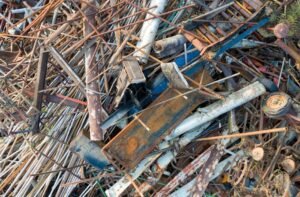
Scrap metal recycling services encompass collection, transportation, sorting, processing, and resale of metal waste. Companies operate a network of scrap metal recycling centers that accept everything from household appliances to construction off‑cuts. The service model varies: some firms focus on bulk commercial contracts, while others cater to individual households looking for “Scrap Metal Recycling Near Me”. The core objective is to extract pure, market‑grade metal that can re‑enter manufacturing without the energy‑intensive extraction of virgin ore.
2. Grading the Scrap: How Metals Are Classified
Accurate grading is essential for maximizing value and ensuring that downstream manufacturers receive material that meets strict specifications. The most common grading system in Australia aligns with the Australian/New Zealand Standard (AS/NZS 3596) and includes:
- Grade A (Clean, Uncoated Steel): Free of paint, oil, and contaminants. Often used for automotive panels and structural steel.
- Grade B (Coated Steel): Includes galvanized or painted steel. Requires additional processing to remove coatings.
- Aluminium Grades: 1100 (pure), 3003 (alloy), and 6061 (high‑strength). Sorted by alloy composition and contamination level.
- Copper Grades: Bare bright copper, copper wire, and copper alloy (brass, bronze). Purity is measured in % Cu.
- Specialty Alloys: Nickel, titanium, and high‑strength steel alloys used in aerospace and medical devices.
Professional scrap metal recycling companies employ magnetic separators, eddy‑current devices, and optical sorters to achieve these grades at scale. Accurate grading not only raises the price per tonne but also reduces processing costs for downstream smelters.
3. How the Recycling Process Works
The journey from waste to reusable metal involves several distinct stages:
- Collection & Transportation: Trucks collect scrap from demolition sites, factories, or curbside bins and deliver it to a recycling center.
- Initial Sorting: Manual and automated sorting separates ferrous from non‑ferrous metals using magnets and sensors.
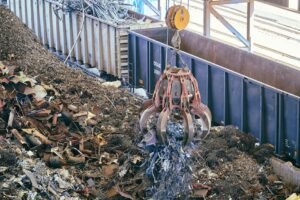
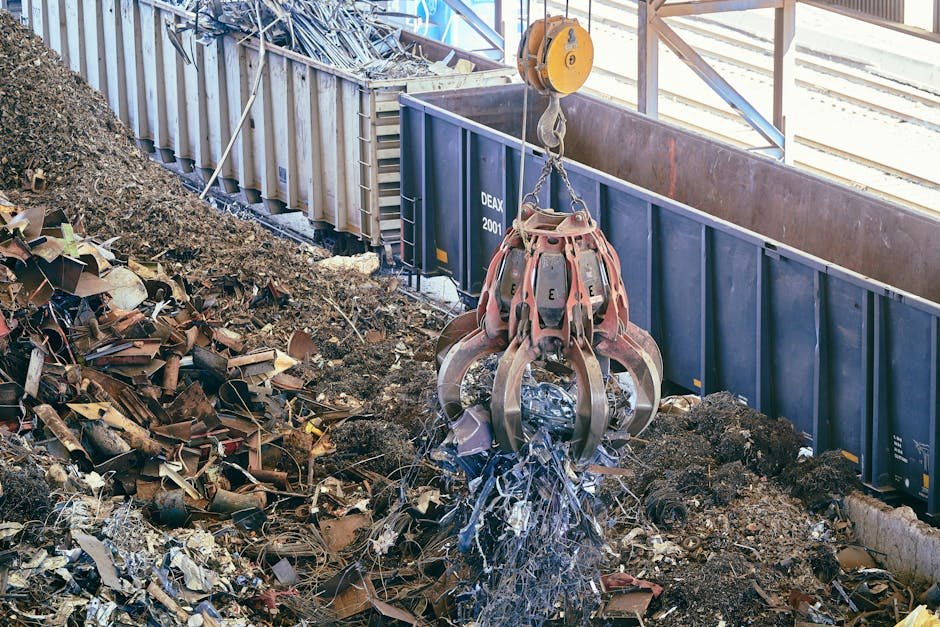
- Size Reduction: Shredders and balers break down large items into manageable pieces, increasing surface area for downstream processing.
- Advanced Separation: Eddy‑current separators lift non‑ferrous metals; air classifiers remove light contaminants like wood and plastic.
- Cleaning & De‑coating: Mechanical or chemical processes strip paint, oil, and insulation, especially for Grade B steel and copper wire.
- Melting & Refining: The sorted metal is melted in electric or induction furnaces, then refined to achieve the required purity.
- Casting & Forming: Molten metal is cast into billets, slabs, or ingots ready for resale to manufacturers.
Each step is optimized for energy efficiency. For example, modern induction furnaces can melt aluminium using 30% less electricity than older models, directly translating into lower carbon emissions.
4. Environmental Benefits of Scrap Metal Recycling Services
Recycling metals delivers measurable environmental gains:
- Energy Savings: Recycling aluminium saves up to 95% of the energy required to produce primary aluminium from bauxite.
- Reduced Greenhouse Gas Emissions: Each tonne of steel recycled avoids roughly 1.8 tonnes of CO₂ equivalent.
- Landfill Diversion: Metals do not decompose, so keeping them out of landfill prevents long‑term soil and water contamination.
- Resource Conservation: Recycling reduces the need for virgin ore extraction, preserving natural habitats and reducing mining‑related water use.
Australia’s National Waste Policy targets a 70% recycling rate for metals by 2030. By engaging with reputable scrap metal recycling services, businesses and households directly contribute to these national goals.
5. Choosing the Right Recycling Partner
Not all providers deliver the same level of service or compliance. Consider the following criteria when selecting a partner:
- Licensing & Accreditation: Verify that the company holds a valid Australian waste licence and adheres to the Environment Protection and Biodiversity Conservation (EPBC) Act.
- Transparent Pricing: Look for up‑to‑date market rates and clear fee structures. The article Sell Scrap Metal Near Me In 2026 offers a snapshot of current pricing trends.
- Processing Capabilities: Ensure the facility can handle your specific grades, especially if you generate specialty alloys.
- Environmental Reporting: Companies that publish carbon‑offset data demonstrate a commitment to sustainability.
For a side‑by‑side comparison of business models, read our analysis of Scrap Trading Vs Recycling Business. It outlines the financial and regulatory differences that can affect your decision.
6. Pricing, Market Trends, and Future Outlook
Metal prices are driven by global commodity markets, exchange rates, and domestic demand. In 2026‑2025, aluminium prices surged 12% due to supply constraints in China, while copper saw a 9% rise linked to renewable‑energy infrastructure projects. Australian scrap traders adjust their offers weekly, reflecting LME (London Metal Exchange) benchmarks.
Key trends shaping the next decade include:
- Digital Platforms: Online marketplaces streamline quoting, scheduling, and payment, making “Scrap Metal Recycling Near Me” a click‑away experience.
- Advanced Sorting AI: Machine‑learning algorithms improve grade accuracy, reducing contamination rates to under 2% for high‑value streams.
- Circular Economy Incentives: Government grants encourage manufacturers to source recycled content, boosting demand for high‑grade scrap.
Staying informed through resources like the Ultimate Guide to Scrap Metal Recycling in Australia helps sellers anticipate price shifts and align with sustainability targets.
7. Practical Tips for Individuals and Small Businesses
Whether you’re clearing a garage or managing a construction site, the following steps maximize profit and minimize hassle:
- Separate Materials Early: Keep ferrous, non‑ferrous, and contaminated streams distinct to avoid down‑grading.
- Remove Non‑Metal Attachments: Detach plastic, rubber, and wood before transport; many centers charge per kilogram of contamination.
- Know the Current Rates: Check the latest price tables on reputable sites or call local scrap metal recycling centers before delivery.
- Schedule Pick‑Ups: Use online booking tools offered by many providers to arrange a convenient collection, reducing downtime.
- Document Weight Accurately: Request a certified weigh‑ticket; this serves as proof for accounting and tax purposes.
For a quick lookup of nearby services, the Scrap Metal Recycling Near Me page aggregates locations, operating hours, and contact details across all Australian states.
8. Conclusion: The Strategic Value of Recycling
Engaging with professional scrap metal recycling services is no longer a niche environmental choice; it is a strategic business decision that delivers cost savings, regulatory compliance, and brand credibility. By understanding grades, processes, and market dynamics, you can turn waste into a revenue stream while contributing to Australia’s climate goals.
Ready to start? Visit Scrap Trade for a directory of licensed providers, and explore the full suite of services offered by ScrapTrade Australia. With the right partner, your scrap becomes a resource, your costs shrink, and your environmental footprint improves.
Frequently Asked Questions
Frequently Asked Questions
What types of metal can I recycle through scrap metal recycling services?
You can recycle ferrous steel, stainless steel, aluminium, copper, brass, zinc, lead, and specialty alloys. Each metal is sorted into grades that determine its resale value.
How is the price of scrap metal determined?
Prices follow global commodity benchmarks such as the LME, adjusted for local demand, purity grade, and transportation costs. Providers usually update rates weekly.
Do I need a licence to sell scrap metal in Australia?
Individual sellers typically do not need a licence, but commercial generators must hold a waste licence and comply with the National Environment Protection Measure for waste.
How long does the recycling process take from drop‑off to resale?
After collection, sorting and processing can take 1–3 days for common grades; high‑purity alloys may require additional refining, extending the timeline to a week.