
When you search for scrap metal removal brisbane, you’re looking for a service that can safely collect, grade, and recycle metal waste from residential, commercial, and industrial sources throughout QLD.
Why Scrap Metal Removal Matters in Southeast Queensland
South‑East Queensland, including the Gold Coast and Sunshine Coast, generates thousands of tonnes of metal waste each year. Proper removal prevents hazardous materials from entering stormwater systems, reduces the need for virgin ore extraction, and supports the circular economy. The Australian government’s National Waste Policy targets a 70% recycling rate for ferrous and non‑ferrous metals by 2030, making reliable Scrap Trade platform services essential for meeting those goals.
Understanding Metal Grades: From Ferrous to Non‑Ferrous
Metal grades determine the value and recycling pathway. The most common categories include:
- Ferrous metals: Iron and steel, such as rebar, old appliances, and vehicle frames. These are magnetic and usually sold by weight.
- Non‑ferrous metals: Copper, aluminium, brass, and zinc. These have higher market prices due to their conductivity and lightweight properties.
- Precious metals: Small amounts of gold, silver, or palladium found in electronic waste. Specialized processors extract these for resale.
Accurate grading at the point of collection maximises Scrap Metal Prices and reduces contamination that can downgrade an entire load.
How the Recycling Process Works in Queensland
The recycling chain for scrap metal in Queensland follows a proven sequence:
- Collection: Licensed trucks equipped with magnetic separators pick up material from homes, construction sites, or factories. For example, scrap metal pick up brisbane services often operate on a scheduled basis.
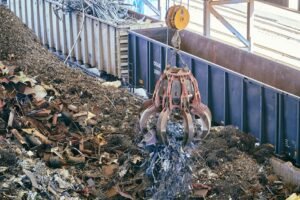
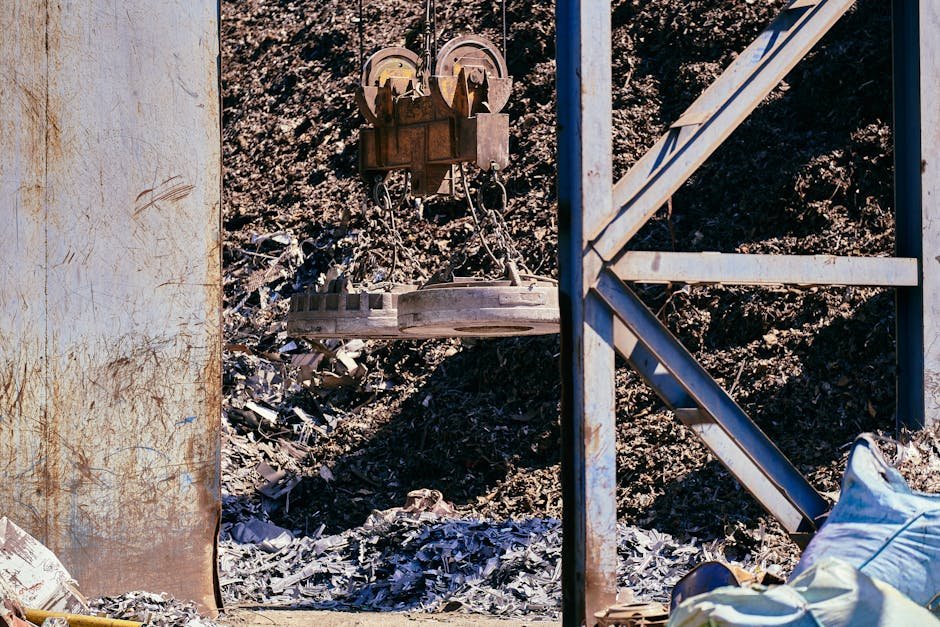
- Sorting: At the facility, magnets separate ferrous from non‑ferrous metals. Manual inspection removes contaminants such as plastics, wood, or hazardous chemicals.
- Processing: Shredders, balers, and shears reduce bulk into manageable sizes. Ferrous metals are melted in electric arc furnaces, while non‑ferrous metals are melted in induction furnaces.
- Refining: Impurities are removed through fluxing and electro‑refining, producing high‑purity metal ingots ready for resale to manufacturers.
- Distribution: Finished ingots are sold to steel mills, automotive producers, or construction firms, completing the loop.
Each step is regulated by Queensland’s Environmental Protection Agency (EPA) to ensure emissions and waste are within legal limits.
Environmental Benefits of Proper Scrap Metal Removal
Recycling metal offers measurable ecological advantages:
- Energy savings: Recycling aluminium uses 95% less energy than primary production, while steel recycling saves up to 60%.
- Reduced greenhouse gases: Lower energy consumption translates directly into fewer CO₂ emissions, supporting Australia’s net‑zero targets.
- Conserved natural resources: Each tonne of recycled steel saves roughly 1.5 tonnes of iron ore, 0.6 tonnes of coal, and 0.3 tonnes of limestone.
- Landfill diversion: Metal does not decompose; removing it from landfill prevents long‑term contamination and frees space for other waste streams.
Communities on the Gold Coast have reported a 12% drop in landfill volume after partnering with local scrap removal firms, illustrating the tangible impact of coordinated recycling programs.
Practical Tips for Businesses and Homeowners
Whether you’re a construction contractor in the Sunshine Coast or a homeowner clearing a garage in Brisbane, following best practices ensures safe, profitable removal:
- Separate metals at source: Keep ferrous and non‑ferrous items in distinct containers to avoid cross‑contamination.
- Remove hazardous components: Batteries, asbestos‑containing insulation, and fluorescent tubes require special handling before the scrap can be processed.
- Know the current market: Use the Scrap Metal Prices dashboard to time your sale for optimal returns.
- Schedule regular pick‑ups: Frequent collections reduce storage costs and keep work sites tidy. Many providers offer a “Scrap Metal Recycling Near Me” search tool to locate the nearest service.
- Document weight and grade: Request a weigh‑ticket and grade report for every load; this documentation is essential for tax deductions and compliance audits.
For those looking to expand their revenue streams, the Sell Scrap Metal Near Me In 2026 guide outlines emerging market trends and technology upgrades.
Regulatory Framework in Queensland
Queensland’s waste legislation mandates that all scrap metal handlers hold a licence from the EPA. Key requirements include:
- Maintaining a register of all incoming and outgoing metal loads.
- Providing a documented chain‑of‑custody for hazardous components.
- Ensuring transport vehicles meet the National Heavy Vehicle Regulator (NHVR) safety standards.
- Reporting quarterly to the EPA on total tonnage processed.
Non‑compliant operators risk fines up to $100,000 and loss of licence, underscoring the importance of partnering with reputable firms that adhere to these standards.
Cost Considerations and ROI
While there is an upfront cost for collection and processing, the return on investment (ROI) can be significant. Typical cost structures include:
- Service fee: $30–$50 per tonne for standard ferrous pickup, with discounts for bulk contracts.
- Processing fee: $5–$15 per tonne, depending on metal grade and contamination level.
- Revenue: Current market rates (as of 2026) range from $180 per tonne for low‑grade steel to $3,200 per tonne for clean copper.
When you factor in tax deductions for waste disposal and the environmental credits offered by Queensland’s Renewable Energy Target, many businesses achieve a net profit margin of 15–20% on scrap metal sales.
Choosing the Right Service Provider
Not all scrap removal companies are equal. Evaluate potential partners against these criteria:
- Licensing and compliance: Verify EPA licence numbers.
- Geographic coverage: Ensure they serve your specific region—whether you’re in Brisbane, the Gold Coast, or the broader Southeast Queensland area.
- Transparent pricing: Look for clear fee structures and real‑time price updates via their website.
- Environmental credentials: Companies that publish carbon‑offset reports demonstrate a commitment to sustainability.
- Customer reviews: Check testimonials for reliability and timeliness.
For a comprehensive list of vetted operators, visit the ScrapTrade Australia directory.
Case Study: Brisbane Commercial Complex Reduces Waste by 40%
A 2025 renovation of a Brisbane office tower partnered with a local scrap metal removal service. By pre‑sorting demolition debris into ferrous, aluminium, and copper streams, the project diverted 1,200 tonnes of metal from landfill. The resulting revenue of $210,000 covered 60% of the demolition contractor’s disposal costs, while the client earned sustainability credits under the Queensland Green Building Council rating system.
This example illustrates how proactive planning and reliable scrap metal removal perth‑style logistics can be replicated across Southeast Queensland.
Future Trends in Scrap Metal Recycling
Technology is reshaping the industry:
- AI‑driven sorting: Machine vision systems can identify metal types with 98% accuracy, reducing manual labor.
- Blockchain traceability: Immutable ledgers track each tonne from collection to final sale, enhancing transparency for buyers.
- Mobile shredders: On‑site shredding units allow construction sites to process metal before transport, cutting haulage costs.
Adopting these innovations positions businesses at the forefront of Queensland’s circular‑economy agenda.
Conclusion: Maximising Value While Protecting the Planet
Effective scrap metal removal brisbane services unlock financial returns, ensure regulatory compliance, and deliver measurable environmental benefits. By understanding metal grades, following best‑practice collection methods, and partnering with licensed, transparent providers, you can turn waste into a strategic asset for your operation. Whether you are based on the Sunshine Coast, the Gold Coast, or anywhere in Queensland, the steps outlined in this guide will help you navigate the recycling landscape with confidence.
Frequently Asked Questions
- What types of metal can I recycle through a Brisbane scrap removal service? You can recycle ferrous steel, stainless steel, aluminium, copper, brass, zinc, and even small quantities of precious metals found in electronic waste.
- How often should I schedule a scrap metal pick‑up? For commercial sites, weekly or bi‑weekly collections keep storage costs low; residential generators typically benefit from monthly pickups.
- Do I need a licence to sell scrap metal in Queensland? Individual sellers do not need a licence, but the collection and processing company must hold a valid EPA licence to handle and transport the material.
- Can I get a price quote before the metal is collected? Reputable providers offer online price calculators and real‑time market feeds; you can request a formal quote based on estimated weight and grade.
Frequently Asked Questions
What types of metal can I recycle through a Brisbane scrap removal service?
You can recycle ferrous steel, stainless steel, aluminium, copper, brass, zinc, and even small quantities of precious metals found in electronic waste.
How often should I schedule a scrap metal pick‑up?
For commercial sites, weekly or bi‑weekly collections keep storage costs low; residential generators typically benefit from monthly pickups.
Do I need a licence to sell scrap metal in Queensland?
Individual sellers do not need a licence, but the collection and processing company must hold a valid EPA licence to handle and transport the material.
Can I get a price quote before the metal is collected?
Reputable providers offer online price calculators and real‑time market feeds; you can request a formal quote based on estimated weight and grade.