
Understanding copper scrap worth is essential for anyone involved in metal recycling, construction demolition, or electrical work in Australia.
Why Copper Scrap Matters in the Australian Economy
Copper is a high‑value non‑ferrous metal with a global demand that drives a robust secondary market. In 2023, Australia exported more than 120,000 tonnes of refined copper, and the domestic recycling sector contributed roughly 30% of the total supply. This circular flow reduces reliance on imported ores, stabilises local prices, and supports jobs across the supply chain.
Key Grades of Copper Scrap and Their Typical Values
Grading determines the copper scrap worth you can expect at a licensed recycler. Below are the most common categories recognised by Australian scrap yards:
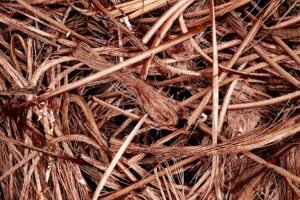
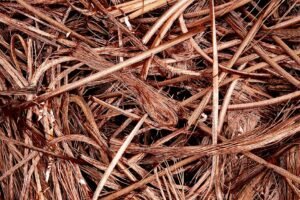
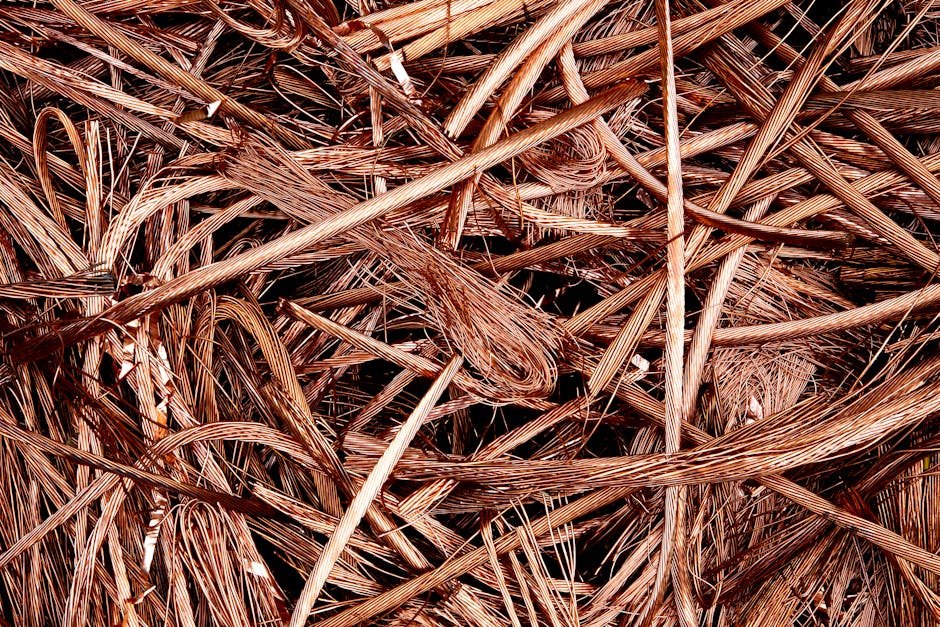
- Bare Bright Copper (BBC): Untarnished, free‑of‑insulation copper wire, often sourced from new construction. This grade commands the highest price, typically $8.50‑$9.50 per kg.
- Number 2 Copper: Clean copper wire stripped of insulation, but may include small amounts of alloy or oxidation. Prices usually sit between $6.00‑$7.50 per kg.
- Copper Pipe: New or reclaimed plumbing pipe, usually free of solder or fittings. Valued at $4.50‑$5.80 per kg depending on cleanliness.
- Copper Wire (mixed): Includes insulated or partially insulated wire, often requiring stripping. Market price ranges $2.80‑$3.80 per kg.
- Scrap Copper (unidentified): Heavily contaminated or mixed with other metals; price can fall below $2.50 per kg.
These grades align with the Copper Scrap Group standards used by most Australian processors.
How Copper Recycling Works: From Collection to Re‑Melting
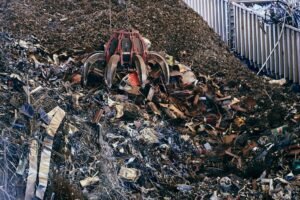
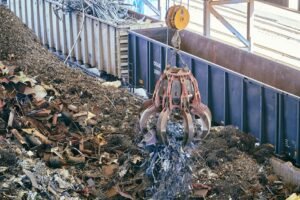
The recycling loop begins with collection. Contractors, electricians, and homeowners separate copper from other waste streams, often storing it in designated bins. Once gathered, the material is transported to a licensed recycler where it undergoes a series of steps:
- Sorting and Grading: Automated magnetic separators remove ferrous contaminants, while optical scanners differentiate copper wire, pipe, and BBC.
- Cleaning: Mechanical shredders or hand‑stripping remove insulation, paint, and corrosion. For high‑grade BBC, a simple air‑blow may suffice.Melting: Clean copper is melted in an induction furnace at 1,200 °C. The molten metal is poured into ingot molds, producing new copper ready for manufacturing.
- Quality Assurance: Ingot composition is tested for purity (typically 99.9% Cu) before being dispatched to downstream users.
This closed‑loop process conserves up to 85% of the energy required to produce primary copper, dramatically lowering carbon emissions.
Environmental Benefits of Copper Recycling
Recycling copper delivers measurable ecological advantages:
- Energy Savings: Producing one tonne of recycled copper uses about 30% of the energy needed for virgin extraction.
- Reduced Greenhouse Gases: Lower energy demand translates to roughly 1.5 tonnes of CO₂ avoided per tonne of copper recycled.
- Landfill Diversion: Copper that would otherwise occupy landfill space is repurposed, extending the life of existing disposal sites.
- Resource Conservation: Recycling lessens pressure on mines, preserving biodiversity and water resources in mining regions.
These benefits align with Australia’s National Waste Policy, which targets a 70% recycling rate for metals by 2030.
Factors Influencing Copper Price per kg
The copper scrap worth you receive fluctuates with several market drivers:
- Global Commodity Prices: The London Metal Exchange (LME) copper price sets the baseline for local scrap rates.
- Domestic Supply‑Demand Balance: Construction booms increase demand for clean wire and pipe, raising prices for higher grades.
- Currency Exchange Rates: A stronger Australian dollar can reduce the local dollar value of imported copper, indirectly affecting scrap rates.
- Regulatory Changes: New environmental legislation may raise processing costs, influencing the price offered to sellers.
For real‑time data, visit the Scrap Copper Prices Near Me page, which aggregates rates from accredited recyclers across the country.
Practical Tips to Maximise Your Copper Scrap Returns
Whether you are a small‑scale collector or a large demolition firm, the following practices can boost the copper scrap worth you earn:
- Separate Grades on Site: Keep BBC, Number 2, and pipe in distinct containers to avoid cross‑contamination.
- Remove Non‑Copper Attachments: Strip fittings, solder, and plastic caps before delivery.
- Maintain Cleanliness: Wash heavily soiled wire to eliminate oil or grease, which can lower the price.
- Document Volume: Use weigh‑in‑scale receipts to verify the quantity you deliver; this builds trust with recyclers.
- Choose Accredited Processors: Recyclers listed on the Scrap Copper directory adhere to industry standards and often offer better rates.
For a quick reference on pricing, see our dedicated guide on how much is scrap copper worth.
Understanding the Legal Framework for Copper Recycling in Australia
Australian states enforce strict regulations to ensure responsible metal handling. Key legislation includes:
- National Environment Protection (Used Oil) Measure: Governs the disposal of oil‑contaminated copper pipe.
- Work Health and Safety (WHS) Acts: Require safe stripping of insulated wire to prevent exposure to hazardous dust.
- Australian Standards AS/NZS 2161: Sets quality criteria for recycled copper ingots destined for electrical applications.
Compliance not only avoids penalties but also improves the credibility of your supply, often resulting in higher offers from reputable recyclers.
Connecting with the Right Recycling Partner
Choosing a reliable processor can make a substantial difference in the final payout. Look for the following attributes:
- Transparent Pricing: Published daily rates linked to LME copper prices.
- Facility Certifications: ISO 14001 environmental management and ISO 9001 quality management.
- Logistics Support: On‑site collection services or partnerships with transport companies.
- Customer Reviews: Positive feedback on platforms like Scrap Trade platform indicates reliable service.
For a comprehensive list of accredited recyclers, visit the copper scrap resource page.
Future Outlook: Trends Shaping Copper Scrap Worth
Several emerging trends are set to influence copper recycling economics over the next decade:
- Electrification of Transport: Growing demand for copper in electric vehicle batteries and charging infrastructure will elevate premium grades.
- Digital Tracking: Blockchain‑based traceability could command price premiums for certified recycled copper.
- Urban Mining Initiatives: Municipal programs targeting e‑waste recovery will increase the volume of high‑grade copper wire entering the market.
Staying informed about these dynamics helps sellers anticipate price shifts and position their inventory strategically.
For additional insights into the Australian recycling landscape, explore the resources offered by ScrapTrade Australia.
Frequently Asked Questions
What determines the price of copper scrap in Australia?
The price is driven by global copper commodity rates, the grade of the scrap, local supply and demand, and any applicable processing costs or regulatory fees.
How can I prepare copper wire for recycling?
Strip the insulation, remove any attached fittings, and keep the wire clean and dry. Sorting bare bright copper from mixed wire maximises the payout.
Is copper recycling environmentally beneficial?
Yes, recycling copper saves up to 85% of the energy needed for primary production and reduces CO₂ emissions by about 1.5 tonnes per tonne recycled.
Where can I find current copper scrap prices near me?
Visit the Scrap Copper Prices Near Me page on Scrap Trade, which aggregates daily rates from accredited recyclers across Australia.