
When searching for reliable metal recycling Silverwater solutions, it is essential to understand the local market dynamics and the environmental impact of your scrap. Silverwater, being a central industrial hub in Sydney, serves as a critical node for the collection, sorting, and processing of various metal types. Whether you are a construction firm clearing a site or a homeowner with old appliances, navigating the recycling landscape requires knowledge of material grading and current market rates.
Understanding the Metal Recycling Silverwater Landscape
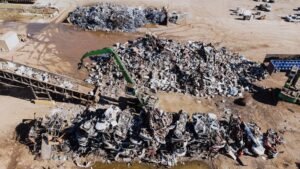
The industrial precinct of Silverwater is uniquely positioned to handle high volumes of scrap. Because of its proximity to major transport routes, metal recycling Silverwater facilities can efficiently move materials from collection points to smelting plants. Recycling is not merely about disposal; it is a sophisticated supply chain process that preserves the earth’s natural resources. For instance, recycling aluminium saves 95% of the energy required to produce it from raw bauxite ore.
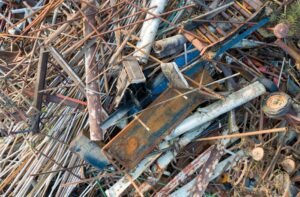
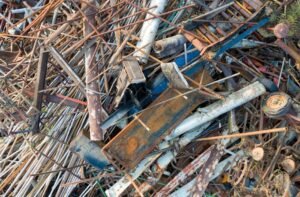
To get started, many residents and businesses look for Scrap Metal Recycling Near Me to minimize logistics costs. The efficiency of your recycling efforts depends on how you segregate materials at the source. Ferrous metals, such as iron and steel, are magnetic and generally have lower market values compared to non-ferrous metals like copper, brass, and stainless steel. Recognizing these differences is the first step toward maximizing your return. If you are struggling to identify your scrap, professional services often provide an initial assessment to categorize your load correctly.
Furthermore, the broader industry standard for Core Metal Recycling emphasizes the importance of purity. Contamination—such as plastic coatings on copper wire or oil residue on engine blocks—can significantly downgrade the value of your scrap. By ensuring your materials are clean and properly sorted, you contribute to a more sustainable circular economy while ensuring you receive the highest possible payout for your efforts.
The Economic and Environmental Benefits of Recycling
The economic impact of the scrap industry in Sydney is profound. When you choose to engage with metal recycling Silverwater services, you are participating in a multi-billion dollar industry that supports local jobs and reduces the dependency on virgin ore extraction. Mining is an energy-intensive and environmentally destructive process. By recycling, we significantly lower carbon emissions and preserve the landscape for future generations.
For those located in or near the industrial zone, finding a silverwater scrap metal facility is straightforward if you know what to look for. Look for providers that offer transparent pricing and modern weighing equipment. Accuracy in weighing is non-negotiable. Reputable scrap yards use certified scales to ensure that the weight recorded matches the payout provided. Additionally, these facilities often provide specialized bins for construction sites, making the process of site clearance much more manageable.
Many users find that searching for Metal Recycling Near Me leads them to a variety of options. However, not all scrap yards are created equal. It is vital to choose a partner that adheres to strict environmental regulations, such as those set by the NSW Environment Protection Authority (EPA). This ensures that any hazardous materials, such as lead-acid batteries or refrigerant gases, are handled safely and according to law.
Best Practices for Preparing Your Scrap Metal
Preparation is the secret to maximizing the value of your scrap. Many people arrive at a scrap metal recycling silverwater facility with mixed loads, which often results in receiving the lowest common denominator price. To avoid this, follow these expert tips:
- Separate Ferrous from Non-Ferrous: Use a magnet. If it sticks, it is ferrous (iron/steel). If it does not, it is likely a more valuable non-ferrous metal like copper, aluminium, or brass.
- Clean Your Metals: Remove non-metal attachments such as plastic, rubber, or glass. A clean load of copper pipe is worth significantly more than copper pipe wrapped in insulation.
- Sort by Grade: Keep different types of copper (e.g., bright shiny copper vs. burnt copper) in separate containers.
- Safety First: Wear gloves and eye protection when handling jagged metal. Ensure any tanks or cylinders are depressurized and cut open to prove they are empty.
By following these steps, you demonstrate to the scrap yard that you are a serious seller. This level of professionalism can often lead to better long-term relationships with yard managers, potentially unlocking better rates for repeat customers. For more industry insights, you can visit the Scrap Trade platform for the latest market updates and educational resources.
Navigating Regulations and Safety Standards
In New South Wales, the scrap metal industry is regulated to prevent the trade of stolen goods and to ensure environmental safety. When you visit a facility, expect to provide identification. This is a legal requirement under the Scrap Metal Industry Act 2016. These regulations are designed to protect the industry and ensure that all transactions are traceable.
Safety is equally important. Scrap yards are high-traffic areas with heavy machinery, moving vehicles, and sharp materials. Always follow the instructions of the site staff. If you are delivering a large load, call ahead to discuss the best time to arrive and the type of vehicle you are using. Some yards have specific loading docks or drive-through areas that are safer for customers. For professional guidance on industry standards, the Scrap Trade Australia website offers comprehensive information on how to manage scrap metal in a compliant and efficient manner.
The Future of Metal Recycling in Sydney
The future of the industry is leaning heavily towards automation and high-tech sorting. Modern facilities are now using X-ray fluorescence (XRF) technology to instantly identify the chemical composition of metal alloys. This allows for higher purity levels in the final product, which in turn commands higher prices in the global market. As a participant in the local recycling scene, staying informed about these technological shifts can help you understand why certain metals are valued differently over time.
Furthermore, the shift towards a circular economy means that more companies are looking for “closed-loop” solutions. This involves manufacturers recycling their own production waste back into their supply chain. If your business produces significant amounts of metal offcuts, talk to your recycler about a customized collection plan. This not only keeps your site clean but also provides a steady stream of revenue that can offset operational costs.
Common Metal Types and Their Market Value
Understanding what you are holding is key to success. Here is a breakdown of common materials found in the Silverwater area:
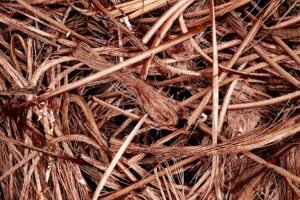
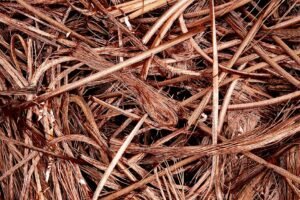
- Copper: The “gold standard” of scrap. Bright and shiny copper (Grade 1) is always the most valuable.
- Aluminium: Lightweight and abundant. Look for clean extrusions (window frames) or cast aluminium (engine parts).
- Brass: Often found in plumbing fixtures, valves, and musical instruments. It is a high-value alloy of copper and zinc.
- Stainless Steel: Used in kitchen equipment and medical devices. It is valuable due to its nickel and chromium content.
- Lead: Commonly found in car batteries and roofing flashings. Note that lead requires careful handling due to toxicity.
By learning to identify these metals, you transform “junk” into a valuable commodity. Always keep an eye on the London Metal Exchange (LME) prices, as these global benchmarks dictate the rates that local yards can offer you.
Maximizing Your Returns: A Strategic Approach
To truly maximize your returns, consider the volume and frequency of your scrap generation. If you are a tradesperson, keeping a dedicated bin on your utility vehicle for different types of scrap will save you hours of sorting time at the end of the week. Time is money, and the less time you spend sorting at the yard, the more efficient your business becomes.
Additionally, build a relationship with a single, trusted recycler. While it might be tempting to shop around for every single load, loyalty often pays off. A consistent supplier who brings clean, well-sorted metal is a preferred client for any yard manager. They are more likely to offer you “spot prices” or better terms during market fluctuations if they know your material is consistently high-quality.
Conclusion: Taking Action Today
Metal recycling is a cornerstone of a sustainable industrial economy in Sydney. Whether you are dealing with large-scale industrial demolition waste or small household items, the principles remain the same: sort, clean, and recycle. By engaging with the local metal recycling Silverwater network, you are doing more than just clearing space—you are fueling the production of new goods and protecting our environment.
Remember that the value of your scrap is tied to your effort. The cleaner and better-sorted your material, the higher your payout. Use the resources available through professional networks and stay updated on the latest industry trends. If you are ready to turn your scrap into cash, start by identifying your materials, checking current market rates, and contacting a reputable local recycler to schedule your drop-off or pickup today.
Frequently Asked Questions
How do I know if my metal is ferrous or non-ferrous?
The easiest way to check is with a magnet. If the magnet sticks to the metal, it is ferrous (like iron or steel); if it does not stick, it is likely a non-ferrous metal such as copper, aluminium, or brass.
Why is it important to clean my scrap metal before selling it?
Cleaning your scrap removes contaminants like plastic, rubber, or wood, which lowers the overall purity of the metal. High-purity metals command significantly higher prices at recycling facilities.
What documentation do I need to provide when recycling scrap metal?
Under the Scrap Metal Industry Act 2016, you are required to provide a valid government-issued photo ID. This helps ensure the traceability of materials and prevents the trade of stolen goods.
Does the price of scrap metal change frequently?
Yes, scrap metal prices are volatile and fluctuate based on global commodity markets, such as the London Metal Exchange. It is advisable to check current rates shortly before you plan to sell your scrap.