
Understanding metal scrap sydney is essential for anyone looking to turn waste into profit while supporting sustainable practices across NSW, especially in the bustling markets of Greater Sydney.
Overview of Metal Scrap in Sydney
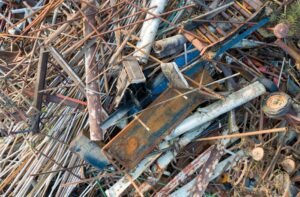
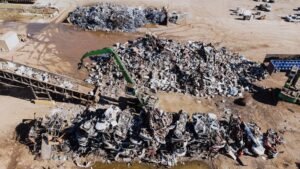
Sydney’s metal scrap industry is a cornerstone of the circular economy in New South Wales. With over 2 million tonnes of ferrous and non‑ferrous scrap generated annually, the region’s recycling infrastructure handles everything from household appliances to large construction steel. The proximity of ports in Port Botany and Port Kembla enables efficient export of processed scrap to Asian steel mills, while local foundries repurpose high‑grade material for new products. This dynamic ecosystem benefits both the environment and the economy, creating jobs in Western Sydney, the North Shore, and beyond.
Common Grades of Metal Scrap
Accurate grading is the linchpin of a profitable scrap operation. Below are the primary categories recognized by Australian scrap yards, each with distinct market values and handling requirements.
- Heavy Melting Steel (HMS) 1 & 2: Includes clean, uncoated steel such as I‑beams, pipe, and automotive frames. HMS‑1 is the highest grade, free from rust and contaminants.
- Stainless Steel: Grades 304, 316, and 430 are sorted separately because of their high nickel and chromium content, which commands premium prices.
- Aluminium Alloys: Includes 6061, 6063, and 7075, often sourced from window frames, beverage cans, and aircraft parts.
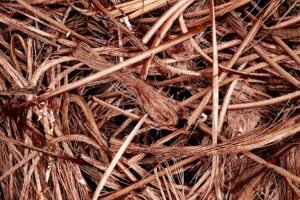
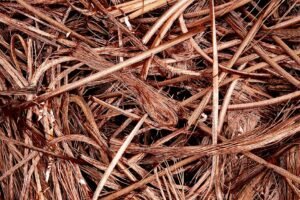
- Copper: Bare bright copper, copper wire, and copper‑clad steel each have distinct grades; pure copper yields the highest price per tonne.
- Non‑Ferrous Mixed: Brass, zinc, and lead are bundled together when they cannot be separated economically.
- Electronic Waste (e‑scrap): Contains valuable metals like gold, silver, and palladium, but requires specialized processing to recover them safely.
Correctly identifying these grades not only maximizes revenue but also ensures compliance with NSW environmental regulations, which prohibit the mixing of hazardous and non‑hazardous waste.
How the Recycling Process Works
The journey of metal scrap from your driveway to a new product involves several meticulously controlled steps.
- Collection & Transportation: Local haulers pick up scrap from residential, commercial, and industrial sites. In Greater Sydney, collection routes are optimized to reduce fuel consumption, especially in densely populated areas like the North Shore.
- Initial Sorting: At the receiving yard, magnets separate ferrous from non‑ferrous metals. Manual labor and optical sorters then isolate grades such as HMS‑1, stainless steel, and aluminium.
- Cleaning & Shearing: Large pieces are shredded, washed, and stripped of coatings, oils, or attached non‑metal components. This step is crucial for achieving the purity required by downstream smelters.
- Melting: Sorted batches are melted in electric arc furnaces (EAF) for ferrous scrap or induction furnaces for non‑ferrous metals. Energy efficiency is enhanced by pre‑heating scrap using waste heat.
- Refining & Casting: Molten metal is treated with fluxes to remove impurities, then cast into ingots, billets, or slabs ready for manufacturing.
- Distribution: Finished metal is shipped to manufacturers across Australia or exported. In NSW, many steel producers source directly from local yards to reduce lead times.
Each stage is monitored for traceability, ensuring that the final product meets Australian Standards (AS/NZS) for composition and quality.
Environmental Benefits of Metal Scrap Recycling
Recycling metal scrap delivers measurable environmental advantages that align with Australia’s net‑zero targets.
- Energy Conservation: Producing new steel from scrap uses up to 74% less energy than extracting iron ore, translating to roughly 1.5 tCO₂e saved per tonne of steel.
- Resource Preservation: Recycling reduces the demand for virgin ore, conserving natural habitats and reducing mining‑related water usage.
- Landfill Diversion: Every tonne of metal diverted from landfill frees up space and prevents soil and water contamination.
- Reduced Greenhouse Gas Emissions: By cutting the need for primary production, scrap recycling cuts emissions across the entire supply chain.
- Circular Economy Promotion: Closed‑loop recycling encourages manufacturers to design for disassembly, further extending product lifespans.
Communities across Western Sydney have reported noticeable air‑quality improvements near recycling hubs, underscoring the tangible local benefits of a robust scrap ecosystem.
Practical Tips for Sellers in NSW
Whether you are an individual with a small backyard pile or a construction firm with bulk loads, the following tips will help you get the best price and stay compliant.
- Know Your Grades: Use a magnet test to separate ferrous from non‑ferrous. Label containers clearly to avoid cross‑contamination.
- Stay Informed on Prices: Metal prices fluctuate daily. Check the latest Scrap Metal Prices before scheduling a pickup.
- Maintain Cleanliness: Remove oils, paints, and attached non‑metal parts. Clean scrap commands higher premiums, especially for aluminium and copper.
- Use Licensed Haulers: NSW requires transporters to hold a waste transport licence. Licensed services ensure legal compliance and proper documentation.
- Leverage Online Platforms: Platforms like Scrap Trade connect sellers with multiple buyers, allowing you to compare offers in real time.
- Schedule Regular Pick‑ups: Consistent supply builds trust with yards and may qualify you for volume‑based discounts.
- Document Transactions: Keep receipts and weigh‑in sheets for tax deductions and audit trails.
For those searching locally, the query “Sell Scrap Metal Near Me In 2026” yields a curated list of reputable yards across Greater Sydney, including options in the North Shore and Western Sydney.
Market Trends and Pricing Insights
The Australian scrap market is influenced by global steel demand, currency fluctuations, and domestic construction activity. In 2024, the average price for HMS‑1 hovered around AUD 260 per tonne, while aluminium 6061 fetched approximately AUD 1,800 per tonne. Prices surged in early 2025 due to supply chain disruptions in Asia, offering lucrative windows for sellers.
Monitoring the Scrap Metal Prices page provides real‑time data, and many yards publish weekly price lists. Seasonal factors also play a role; post‑holiday periods often see lower demand, whereas the lead‑up to the construction season (March‑May) drives prices up.
Finding Reliable Recycling Services Near You
Convenient access to reputable facilities makes the recycling process seamless. If you type “Scrap Metal Recycling Near Me” into your search engine, you’ll discover a network of licensed processors throughout NSW, from the industrial precincts of Western Sydney to the boutique yards on the North Shore.
When evaluating a yard, consider the following criteria:
- Licensing and compliance records with the NSW Environment Protection Authority (EPA).
- Facility capacity – larger yards can handle bulk shipments, while smaller ones may offer personalized service.
- Transparent pricing structures and written contracts.
- Environmental certifications such as ISO 14001, indicating robust sustainability practices.
Many yards also provide on‑site weighing and instant payment, reducing the administrative burden for sellers.
Regulatory Landscape in New South Wales
NSW enforces strict regulations to ensure that metal scrap handling does not harm the environment or public health. Key legislation includes the Protection of the Environment Operations Act 1997 and the Waste Avoidance and Resource Recovery Act 2001. Compliance requirements cover:
- Registration of scrap dealers with the NSW EPA.
- Maintenance of a Waste Activity Register (WAR) for tracking movements.
- Proper storage to prevent runoff into waterways, especially in flood‑prone zones of Greater Sydney.
- Regular audits and reporting of hazardous components, such as lead‑based paints.
Failure to adhere can result in fines exceeding AUD 100,000, underscoring the importance of partnering with accredited recyclers.
Future Outlook: Technology and Innovation
The next decade promises significant advances in scrap processing. Automation, AI‑driven sorting, and blockchain‑based traceability are already being piloted in Western Sydney’s mega‑yards. These technologies aim to increase recovery rates, reduce contamination, and provide sellers with transparent audit trails.
Furthermore, the Australian government’s “Recycling Modernisation Fund” allocates grants for facilities adopting low‑carbon furnace technologies, which will further lower the carbon intensity of metal production.
Staying ahead of these trends positions sellers to benefit from higher premiums and stronger market demand for responsibly sourced metal.
Key Takeaways for Sydney Scrap Metal Stakeholders
In summary, mastering metal scrap sydney involves understanding grade classifications, following a systematic recycling workflow, and leveraging market intelligence. By adhering to NSW regulations, employing best‑practice handling, and partnering with certified recyclers, you contribute to a greener economy while unlocking financial returns.
For a deeper dive into specific grade specifications or to locate a nearby yard, explore our related articles and use the internal links provided throughout this guide.
Ready to turn your waste into profit? Visit Scrap Trade Australia for comprehensive services tailored to the Sydney market.
Related: sydney scrap metal
Related: scrap metal sydney
Frequently Asked Questions
What grades of metal scrap are most valuable in Sydney?
The highest‑value grades include HMS‑1 steel, clean stainless steel (304/316), aluminium 6061, and pure copper. These grades command premium prices due to their purity and demand from manufacturers.
How does NSW regulate scrap metal collection and transport?
NSW requires all scrap dealers to be licensed by the EPA, maintain a Waste Activity Register, and follow strict storage and documentation rules to prevent environmental contamination.
Can I sell small amounts of scrap metal as an individual?
Yes. Many yards accept small loads, especially if the material is clean and properly sorted. Using online platforms like Scrap Trade can help you find the best local offers.
What environmental impact does metal recycling have?
Recycling metal saves up to 74% of the energy needed for primary production, reduces greenhouse‑gas emissions, conserves natural resources, and diverts waste from landfills.