
Navigating the landscape of scrap metal services Sydney requires an understanding of how the industry operates across the Greater Sydney region. Whether you are a commercial contractor in Western Sydney or a residential homeowner on the North Shore, recycling metal is a vital component of the circular economy in New South Wales. By choosing the right partner, you ensure that your materials are handled ethically and efficiently, helping you secure the best Scrap Metal Prices available in the current market.
Understanding Metal Grades and Classification
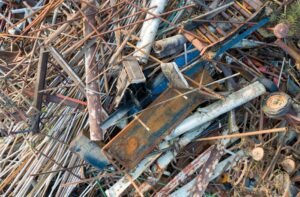
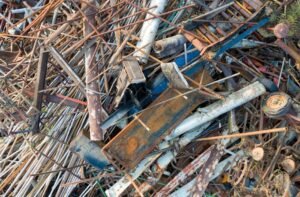
To effectively participate in metal recycling, one must first understand the fundamental distinction between ferrous and non-ferrous metals. Ferrous metals contain iron and are magnetic, while non-ferrous metals do not contain iron and are prized for their resistance to corrosion and high conductivity. In the context of scrap metal services Sydney, identifying these grades correctly is the first step to maximizing your returns.
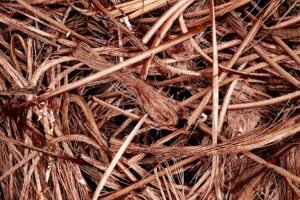
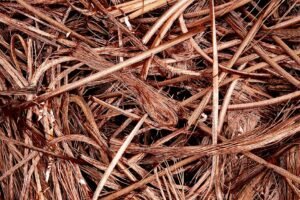
Common ferrous metals include structural steel, cast iron, and wrought iron. These are frequently found in construction sites across New South Wales. Non-ferrous metals, which often command higher prices, include copper, aluminium, brass, lead, and stainless steel. Copper, in particular, is highly sought after due to its infinite recyclability and high demand in the electrical and plumbing sectors. When you look to sell scrap metal sydney, knowing if your haul consists of ‘bright and shiny’ copper wire versus ‘burnt’ copper can significantly impact the valuation.
Furthermore, alloys play a major role in industrial scrap. Stainless steel, for instance, is an alloy of iron, chromium, and nickel. Because of its complex composition, it requires specialized processing. Professional facilities across Greater Sydney utilize advanced spectrometry to analyze the exact chemical composition of metal batches, ensuring that high-value alloys are separated from common scrap. This precision is what separates amateur collection from expert recycling.
The Lifecycle of Scrap: How Recycling Works
The process of recycling metal is a sophisticated industrial operation designed to minimize energy expenditure compared to virgin ore extraction. When you engage with scrap metal services Sydney, your material enters a multi-stage journey. First, the material is collected from various sources, ranging from demolition sites in Western Sydney to residential cleanouts on the North Shore.
Once the material reaches the processing facility, it undergoes rigorous sorting. This is done using a combination of magnetic separators, eddy current separators, and manual inspection. Magnetic separators pull ferrous metals from the conveyor belt, while eddy currents are used to repel non-ferrous metals, effectively separating aluminium from other materials. This mechanical sorting is essential for maintaining the purity of the end product.
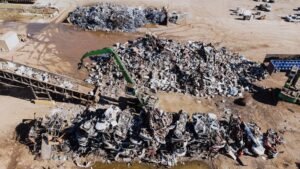
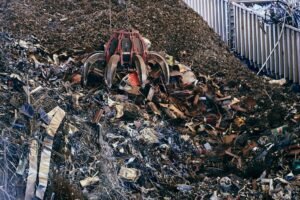
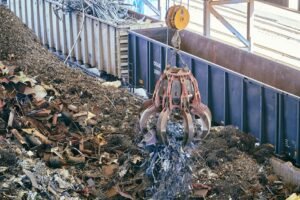
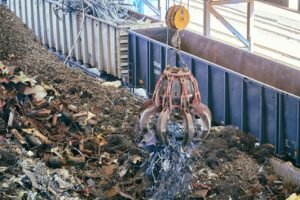
After sorting, the metal is processed. This often involves shredding, which breaks the metal into smaller, uniform pieces, making it easier to transport and melt. Large hydraulic shears and balers are also used to compress bulky items into dense, manageable bricks. These bricks are then fed into furnaces where they are melted down into ingots or billets. These raw materials are then sold back to manufacturers to create everything from new car parts to structural beams. For those looking for local solutions, searching for Scrap Metal Recycling Near Me can help you find a facility that utilizes these advanced processing techniques.
Environmental and Economic Benefits in NSW
The environmental impact of recycling metal in New South Wales cannot be overstated. Mining for virgin ore is an energy-intensive process that destroys habitats and produces significant greenhouse gas emissions. By recycling aluminium, for example, we can save up to 95% of the energy required to produce the same amount of metal from raw bauxite ore. This energy saving directly translates to a lower carbon footprint for the Australian manufacturing sector.
Beyond energy, recycling preserves our natural resources. Metals are finite. By keeping these materials in a closed-loop system, we reduce the need for destructive mining practices. In a thriving urban environment like Greater Sydney, scrap metal recycling acts as an ‘urban mine,’ where the city’s old infrastructure becomes the foundation for its future development. This is why many businesses now prioritize scrap metal for cash sydney programs as part of their corporate social responsibility initiatives.
Economically, the industry supports thousands of jobs across the state. From logistics and transport to specialized engineering and metallurgy, the scrap metal sector is a pillar of the local economy. When you choose to recycle, you aren’t just cleaning up your backyard; you are contributing to a robust, sustainable economic cycle that keeps Australia competitive on the global stage. If you are ready to participate, you might want to Sell Scrap Metal Near Me In 2026 to lock in your long-term recycling strategy.
Best Practices for Preparing Your Scrap
Preparation is the key to getting the best value for your metal. Many people make the mistake of mixing different types of metals together, which forces the recycling facility to perform extra labor to sort them. By pre-sorting your scrap into distinct categories—such as keeping copper piping separate from aluminium window frames—you significantly increase the efficiency of the transaction.
Cleanliness also matters. Remove non-metallic attachments like plastic insulation from wires, rubber seals from car parts, or wood from structural steel. While some facilities have the technology to remove these contaminants, they will often deduct the weight of the waste from your total payout. Providing ‘clean’ scrap demonstrates professionalism and often allows for a faster, more lucrative transaction.
Safety is equally important. When handling scrap, always wear appropriate personal protective equipment (PPE), including gloves and steel-toed boots. Sharp edges, rust, and heavy weights pose significant risks. If you are dealing with large quantities, consider using professional collection services that provide bins or skip services. For more information on industry standards, visit Scrap Trade for comprehensive resources. You can also explore the broader industry landscape at Scrap Trade Australia to stay updated on national trends.
Geographic Considerations in Sydney
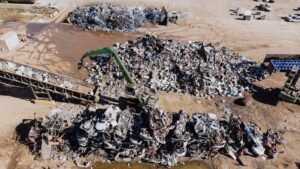
Sydney’s geography presents unique logistical challenges for scrap metal collection. In the high-density areas of the North Shore, space is at a premium, making it difficult for homeowners to store large quantities of scrap. Conversely, in Western Sydney, there is more industrial land, allowing for larger-scale scrap accumulation and easier access for heavy haulage vehicles.
A reputable scrap metal provider will have the fleet capacity to navigate these different environments. Whether it’s a small ute for a residential pickup or a semi-trailer for a large industrial site, the ability to provide flexible logistics is a hallmark of a top-tier service. Understanding the local traffic conditions and zoning regulations in NSW is also crucial for ensuring that collections occur on time and without disruption to your daily operations.
Furthermore, the proximity to ports and major transport hubs in Sydney allows for efficient export of processed scrap. Australia is a major exporter of high-quality recycled metals, and being located in Sydney provides a strategic advantage in accessing international markets. This global connectivity ensures that local scrap prices remain competitive, as they are tied to international demand for raw materials.
Future Trends: Technology and Sustainability
The future of scrap metal recycling is being shaped by artificial intelligence and robotics. We are seeing the emergence of AI-powered sorting systems that can identify metal grades with near-perfect accuracy, far surpassing human capabilities. These systems use advanced cameras and machine learning to scan pieces of scrap and direct them to the appropriate bins in milliseconds.
Sustainability is also driving innovation. Companies are increasingly looking at ways to recycle complex components, such as electric vehicle batteries and high-tech electronic waste. These materials contain valuable rare earth metals that are difficult to extract. As the world transitions to renewable energy, the ability to recover these materials will become a central focus of the scrap industry.
Finally, transparency is becoming the new standard. Customers now expect to know exactly where their metal goes and how it is processed. Blockchain technology is being explored to track the lifecycle of recycled materials, providing a ‘green audit’ trail that proves the material was recycled ethically and sustainably. By staying informed about these trends, you can position yourself as a forward-thinking participant in the circular economy.
Conclusion
The scrap metal industry is far more than just a collection service; it is a vital industrial pillar that supports the environmental and economic health of New South Wales. By understanding the grades of metal, the recycling process, and the importance of proper preparation, you can maximize your returns and contribute to a more sustainable future. Whether you are in Western Sydney, the North Shore, or any other part of the Greater Sydney region, professional scrap metal services are ready to help you manage your materials effectively. Start your journey today by auditing your waste and choosing a partner that values transparency, efficiency, and environmental stewardship.
Frequently Asked Questions
What is the most valuable metal to recycle?
Copper is generally the most valuable metal to recycle due to its high demand in electrical and plumbing applications. Other high-value metals include brass, stainless steel, and aluminium.
Do I need to clean my scrap metal before bringing it in?
Yes, removing contaminants like plastic, rubber, and wood will significantly improve the value of your scrap. Clean, sorted metal is faster to process and typically commands a better price.
How are scrap metal prices determined?
Scrap metal prices are influenced by global market demand, the purity of the metal, and the current cost of virgin ore. Prices fluctuate daily based on international commodity trading.
Is it better to use a professional collection service or drop off my scrap?
For small residential amounts, dropping off at a facility is often convenient. For large commercial or industrial volumes, professional collection services are better as they provide the necessary bins and heavy-duty transport.