
Navigating the landscape of scrap buyers in Sharjah requires a strategic approach rooted in market intelligence and logistical precision. As a global hub for trade, Sharjah offers a sophisticated ecosystem for metal recycling, yet the volatility of commodity prices necessitates a deep understanding of how local yards operate. Whether you are managing industrial waste or clearing construction debris, identifying the right partner is the difference between a marginal return and a profitable venture. For those looking to expand their reach beyond local borders, mastering the logistics of export is essential, and you can learn more about this by reading our guide on How To Attract International Scrap Buyers. Understanding the local market is the first step, but scaling your operations often requires a broader perspective, similar to the strategies outlined in the Ultimate Guide to Scrap Metal Buyers in Australia, which provides a blueprint for professionalizing your scrap business.
The Sharjah Scrap Metal Market: An Overview
Sharjah serves as a critical node in the Middle East’s recycling supply chain. The proximity to Jebel Ali Port and the extensive network of industrial zones make it an ideal location for scrap aggregation. Scrap buyers in Sharjah typically operate within the Sharjah Industrial Areas 1 through 17, where they provide essential services for the construction, automotive, and manufacturing sectors. The market is highly competitive, driven by the demand for secondary raw materials like copper, aluminum, and stainless steel. Unlike smaller regional markets, Sharjah’s buyers often deal in high volumes, requiring sellers to be professional, organized, and aware of international pricing benchmarks. When you are ready to scale your network, knowing How To Find Overseas Scrap Buyers will prove invaluable for moving bulk inventory. Furthermore, if you are vetting potential partners, our resources on How To Find Verified Scrap Buyers Worldwide 2 offer the due diligence framework necessary to avoid common pitfalls in the scrap trade. For general industry best practices and global market trends, visit Scrap Trade for the latest updates, or explore regional nuances via Scrap Trade Australia to see how mature markets handle scrap logistics.
Understanding Metal Grades and Valuation
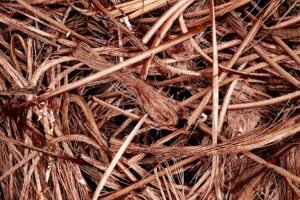
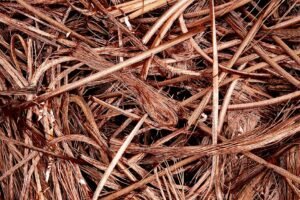
The profitability of your scrap depends entirely on how accurately you grade your materials. Metal buyers in Sharjah use strict classification systems to determine the purity and alloy composition of scrap. Ferrous metals, such as iron and steel, are generally graded by density and size. For instance, ‘Heavy Melting Steel’ (HMS) commands a higher price than light sheet metal because it is easier to process in electric arc furnaces. Non-ferrous metals like copper, aluminum, and brass are valued based on their purity levels. Copper is often categorized into ‘Bright and Shiny’ (Number 1), which is clean, unalloyed wire, versus ‘Burnt’ or ‘Mixed’ copper, which contains impurities and requires more intensive processing. Trusted dealers will always provide a breakdown of these grades before weighing your load. Sellers should invest in a basic handheld XRF analyzer if they handle high-value materials regularly, as this allows you to verify the alloy composition on-site, ensuring you are paid for the exact grade you are delivering. Always remember that contamination is the enemy of profit; even a small amount of plastic or rubber on copper wire can downgrade your entire shipment to a lower price bracket.
The Recycling Process: From Yard to Mill
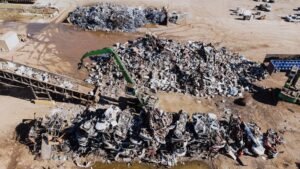
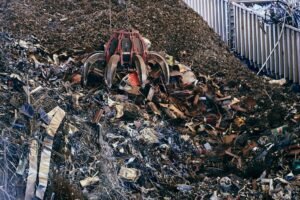
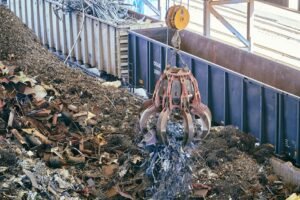
Once you deliver your scrap to a buyer in Sharjah, the material undergoes a rigorous recycling process designed to prepare it for secondary smelting. Initially, the scrap is sorted using magnetic separators for ferrous metals and eddy-current separators for non-ferrous materials. This mechanical sorting is often supplemented by manual labor to remove non-metallic contaminants. After sorting, the scrap is shredded or sheared to reduce its volume and increase its density, making it cost-effective to transport. The material is then baled into standardized blocks. These bales are the final product that scrap yards sell to foundries and mills. In Sharjah, the efficiency of this process is heavily reliant on the yard’s equipment; high-capacity shredders and balers allow yards to handle large volumes, which in turn allows them to offer more competitive pricing to their suppliers. By understanding this cycle, you can better time your sales to match periods of high industrial demand, when mills are actively seeking raw materials to meet production quotas.
Environmental Benefits of Strategic Recycling
Recycling metal is not just a business transaction; it is a fundamental pillar of sustainable industrial development in the UAE. The environmental impact of utilizing recycled metal compared to virgin ore is staggering. For example, recycling aluminum consumes approximately 95% less energy than producing primary aluminum from bauxite ore. By selling your scrap to reputable buyers in Sharjah, you are directly contributing to a circular economy that reduces the carbon footprint of the manufacturing sector. Furthermore, scrap recycling prevents hazardous materials from ending up in landfills, where they could potentially leach chemicals into the soil and groundwater. Sharjah’s commitment to sustainability initiatives, such as the UAE Circular Economy Policy, means that the scrap industry is increasingly regulated and professionalized. Choosing to work with verified, compliant buyers ensures that your waste is handled according to international environmental standards, which is a key requirement for many corporate clients who prioritize ESG (Environmental, Social, and Governance) reporting in their supply chains.
How to Identify Trusted Dealers
Not all scrap buyers are created equal. Finding a trusted dealer in Sharjah requires looking beyond the highest advertised price. A reputable buyer should be transparent about their pricing mechanism, which should be linked to the London Metal Exchange (LME) or another recognized global benchmark. When visiting a yard, look for clear signage, calibrated weighing scales that are certified by local authorities, and a professional administrative process. A trusted dealer will always provide a detailed receipt or weight ticket that clearly outlines the grades, weights, and unit prices for each item. They should also be able to provide documentation regarding their waste management licenses and environmental certifications. Avoid buyers who are unwilling to provide a paper trail or who offer prices that seem significantly higher than the market average, as these are often red flags for illicit operations. Building a long-term relationship with a single, reliable buyer is often more profitable than chasing the highest daily spot price, as consistent suppliers are often granted priority service and better payment terms during market downturns.
Logistics and Export Considerations
For those handling large-scale industrial scrap, the ability to move material efficiently is as important as the sale itself. Sharjah’s infrastructure is world-class, but navigating the logistics of moving heavy metals requires coordination. Many large-scale scrap buyers offer collection services, but you must ensure that the transport vehicles are equipped to handle the weight and volume of your scrap safely. If you are dealing with international buyers, you must be well-versed in the documentation required for cross-border trade, including certificates of origin, packing lists, and commercial invoices. Compliance with the Basel Convention regarding the transboundary movement of hazardous waste is also critical if you are exporting specific types of electronic or industrial scrap. By streamlining your internal logistics—such as using standardized containers and implementing an efficient loading schedule—you can minimize downtime and reduce transport costs, effectively increasing your net profit margin on every ton of metal sold.
Future Trends in the Sharjah Scrap Industry
The scrap industry in Sharjah is on the cusp of a technological transformation. We are seeing an increase in the adoption of digital platforms for real-time price tracking and inventory management. Automation in sorting, particularly the use of AI-driven optical sorters, is becoming more common among the larger, more sophisticated yards. These advancements are designed to increase purity levels, which in turn allows for higher resale values. For the individual seller or small business owner, this means that the market is becoming more transparent and competitive. Staying informed about these trends is essential for anyone looking to maintain a competitive edge. Keep track of global commodity price fluctuations, as these will always dictate the local pricing environment in Sharjah. As the region continues to diversify its economy and focus on sustainable development, the role of the scrap metal sector will only grow in importance, offering significant opportunities for those who approach the business with professionalism and a commitment to quality.
Frequently Asked Questions
How are scrap metal prices determined in Sharjah?
Prices are primarily driven by the London Metal Exchange (LME) spot rates for base metals. Local buyers adjust these rates based on current demand, processing costs, and the purity grade of the scrap provided.
What documentation do I need to sell scrap in Sharjah?
You should carry a valid trade license if you are a business, along with a delivery note or invoice. For large transactions, buyers may require proof of ownership or a source declaration to comply with local anti-theft regulations.
Why is it important to sort scrap metal before selling?
Sorting maximizes your profit because mixed scrap is typically purchased at the lowest common denominator price. By separating copper, aluminum, and steel, you ensure each material is valued at its specific, higher market rate.
How can I verify if a scrap buyer in Sharjah is legitimate?
A legitimate buyer will have a physical, licensed facility with certified weighing equipment and a transparent pricing policy. Check for valid municipal trade licenses and ask for a detailed, itemized weight ticket upon delivery.