
Understanding scrap copper prices today is essential for anyone involved in metal recycling, from small‑scale hobbyists to large industrial processors. This guide explains how the market value per kg is calculated, which grades command premium rates, the factors that push prices up or down, and why copper recycling matters for the environment and the economy.
1. Overview of the Australian Copper Scrap Market
The Australian copper market is tightly linked to global commodity trends, domestic construction activity, and the performance of the electrical and automotive sectors. According to the latest data from the London Metal Exchange (LME), the base price for pure copper hovers around US$9,000 per tonne, which translates to roughly AU$12 per kilogram after conversion and freight adjustments. However, the price you receive for scrap copper is always lower than the primary market price because of processing costs, purity differentials, and the need to melt down the material.
When you look up Scrap Copper Prices Near Me, you will see a range of rates that reflect local supply‑and‑demand dynamics, transportation costs, and the specific grade of copper you are selling. These rates are updated daily on many scrap yard websites and are often labelled as Scrap Prices for quick reference.
2. How Scrap Copper Prices Are Determined
Pricing is a multi‑step process that starts with the global LME price and ends with the final quote you receive at the yard. The main stages are:
- Base Metal Index: The LME price for copper serves as the benchmark. Traders add a premium or discount based on the quality of the scrap.
- Currency Conversion: Prices are quoted in Australian dollars, so the USD/AUD exchange rate influences the final figure.
- Purity Adjustment: Higher‑purity grades such as bare bright copper or number 2 copper attract a smaller discount.
- Processing Costs: Sorting, cleaning, and melting each ton of scrap incurs labor and energy expenses, which are reflected in the final rate.
- Regional Factors: Distance to the nearest smelter, local demand from manufacturers, and transport logistics can add or subtract a few cents per kilogram.
Because each of these variables fluctuates daily, the current scrap prices you see on a website can change within hours. That is why many recyclers advise checking the latest scrap yard copper prices before arranging a pickup.
3. Grades of Scrap Copper and Their Market Values
Not all copper scrap is created equal. The industry recognises several standard grades, each with its own typical price per kg. Below is a quick reference:
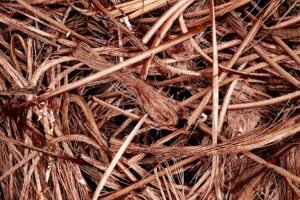
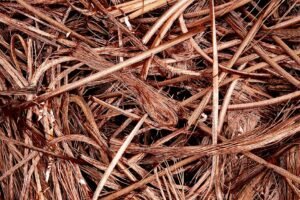
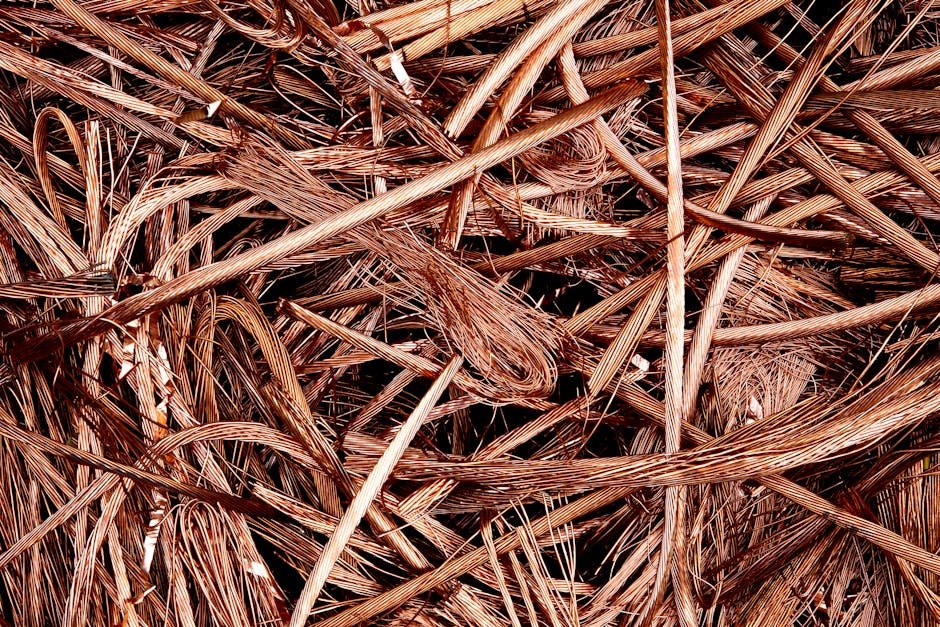
- Bare Bright Copper (BBC): Clean, uncoated copper wire with a copper content of 99%+. This grade commands the highest price, often within 5–10% of the LME price.
- Number 2 Copper: Includes stripped copper wire and small amounts of insulation. Purity is usually 90–95% and the price is slightly lower than BBC.
- Copper Pipe: Used plumbing pipe, often mixed with solder and small amounts of brass. Prices depend on whether the pipe is clean or has a coating.
- Copper Wire (mixed): Includes insulated or coated wire that requires stripping. This is the most common grade collected from households and construction sites.
- Copper Alloy Scrap: Brass, bronze, and copper‑nickel alloys are priced separately, usually at a discount to pure copper grades.
When you search for scrap copper wire prices, you will typically see a range that reflects the mixture of bare bright and number 2 copper in the batch. Sellers can increase their payout by separating the highest‑purity material from the lower‑grade mix before delivery.
4. Key Factors That Influence scrap copper price per kg
Several macro‑ and micro‑level drivers affect the copper price per kg you receive:
- Global Economic Health: A strong global economy fuels demand for construction, electronics, and renewable energy, pushing copper prices up.
- Supply Constraints: Mining disruptions, geopolitical tensions, or export restrictions can tighten supply, raising prices.
- Industrial Demand: Australian projects such as new rail lines, solar farms, and data‑center builds create spikes in local demand for copper.
- Recycling Incentives: Government rebates for metal recycling or carbon‑credit schemes can add a premium to scrap rates.
- Seasonal Variations: End‑of‑financial‑year reporting in large corporations often leads to higher scrap volumes and occasional price dips.
- Currency Movements: A weaker Australian dollar makes imported primary copper more expensive, indirectly boosting local scrap rates.
Because these factors shift constantly, the phrase metal prices today can be a moving target. The most reliable way to stay informed is to monitor daily updates from reputable sources such as the Copper Scrap Group and subscribe to market newsletters.
5. The Copper Recycling Process – From Yard to Smelter
Copper recycling begins the moment a piece of scrap is dropped off at a collection point. The typical workflow includes:
- Sorting: Workers separate copper from other metals, plastics, and contaminants. Advanced facilities use magnetic separators and optical sorters to improve accuracy.
- Cleaning: Stripping insulation from wire, removing rust, and washing pipe segments reduces impurities before melting.
- Melting: In a furnace operating at 1,200 °C, copper is melted into a homogeneous liquid. Energy consumption is roughly 30% lower than mining new copper ore.
- Casting: The molten copper is poured into ingots or billets, which are then shipped to manufacturers for reuse.
- Quality Assurance: Each batch undergoes chemical analysis to verify copper content meets industry standards (usually >99% for primary products).
The entire loop can be completed in as little as 24‑48 hours for high‑volume yards, making copper one of the most efficiently recycled metals worldwide.
6. Environmental Benefits of Copper Recycling
Recycling copper delivers significant environmental dividends:
- Energy Savings: Producing recycled copper uses up to 85% less energy than extracting copper from ore.
- Reduced Greenhouse Emissions: Lower energy demand translates to fewer CO₂ emissions, supporting Australia’s net‑zero targets.
- Landfill Diversion: Every tonne of copper kept out of landfill reduces soil and water contamination risks.
- Resource Conservation: Copper is a finite resource; recycling extends its lifecycle and lessens the need for new mining projects.
These benefits are increasingly recognised by corporations seeking sustainable supply chains. Many large manufacturers now require a minimum percentage of recycled copper in their products, creating a stable demand base for scrap suppliers.
7. Practical Tips for Maximising Your Scrap Copper Returns
Whether you are a homeowner clearing out old wiring or a contractor with regular copper waste, the following strategies can help you achieve the best price:
- Separate Grades: Keep bare bright copper separate from insulated wire and pipe. Higher‑purity material fetches a premium.
- Remove Non‑Copper Attachments: Cut off brass fittings, steel clamps, and any plastic sheathing before delivery.
- Know Your Local Rates: Use tools like the Scrap Copper Prices Near Me page to compare offers from multiple yards.
- Schedule Regular Pick‑ups: Some yards offer higher rates for consistent, bulk deliveries, reducing handling costs.
- Stay Informed: Follow the Copper Scrap Group for market news and price alerts.
- Leverage Incentives: Check if your state offers rebates for metal recycling; these can add a few cents per kilogram to your payout.
By treating your scrap as a commodity rather than waste, you turn a disposal cost into a revenue stream.
8. Conclusion – Navigating scrap copper prices today with confidence
Australia’s copper recycling ecosystem is robust, transparent, and increasingly profitable for sellers who understand the nuances of the market. The key take‑aways are:
- Monitor the LME copper index and local scrap copper prices today to time your sales.
- Identify and separate high‑grade materials such as bare bright copper and number 2 copper.
- Factor in regional variables like transport distance and yard processing fees.
- Recognise the broader environmental impact of copper recycling, which adds value beyond the immediate cash payout.
For real‑time data, visit the Scrap Trade platform. To learn more about Australian recycling regulations and certification, explore the resources on ScrapTrade Australia. Armed with this knowledge, you can make informed decisions, negotiate better rates, and contribute to a greener economy.
Frequently Asked Questions
What is the current average price for bare bright copper in Australia?
As of the latest market update, bare bright copper typically sells for between $9.00 and $10.00 per kilogram, depending on purity and local demand.
How often do scrap copper prices change?
Prices are updated daily on most scrap yard websites and can shift multiple times within a single trading day due to fluctuations in the global copper market and exchange rates.
Can I sell mixed copper wire without stripping the insulation?
Yes, but mixed copper wire is priced lower than stripped wire. Removing insulation before delivery can increase your payout by up to 15%.
Is there a minimum amount of copper required for a payout?
Most yards accept small batches, but many offer better rates for loads above 500 kg. Check the specific yard’s policy on the Scrap Prices page.