
Comprehensive Guide to Scrap Copper Recycling Rosehill
For businesses and tradespeople operating in Western Sydney, mastering scrap copper recycling Rosehill is essential for operational efficiency and environmental stewardship. Copper is one of the most highly valued commodities in the recycling industry due to its infinite recyclability without loss of quality. Whether you are dealing with demolition waste, plumbing scraps, or electrical cabling, understanding how to grade and prepare your materials will ensure you receive the best possible value in the current market.
In this guide, we explore the intricacies of the trade, the environmental imperative, and the logistics of managing your scrap effectively. If you are looking for professional assistance, our scrap copper pick up rosehill service provides a seamless solution for high-volume traders. Additionally, if you are operating in the neighboring suburbs, we also offer specialized scrap copper recycling merrylands services to ensure local businesses have consistent access to recycling infrastructure.
Understanding Copper Grades and Market Value
To maximize your profit, you must understand how recyclers categorize copper. The copper price per kg is heavily dependent on the purity of the material. The industry standard is broken down into specific grades:
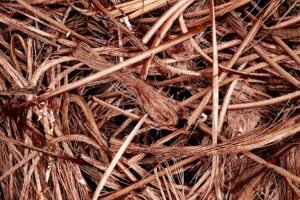
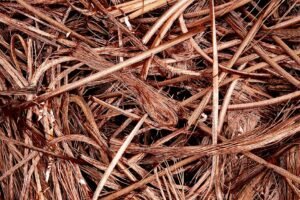
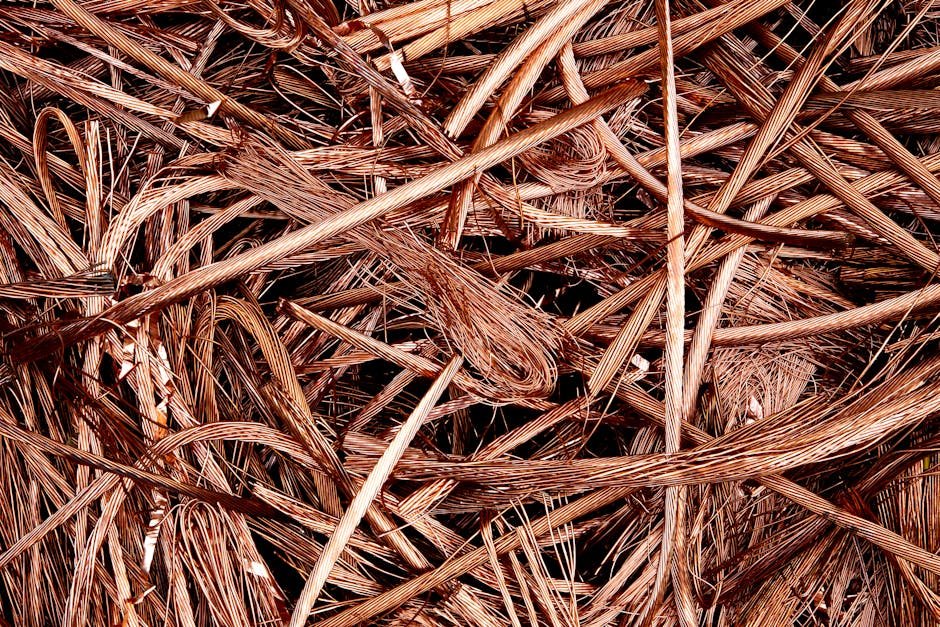
- Bare Bright Copper: This is the highest grade, consisting of clean, unalloyed, uncoated copper wire or cable, free of insulation and oxidation. It is essentially pure copper.
- Number 1 Copper: This includes copper pipe and heavy-gauge wire that is clean and free of solder, paint, or other contaminants. It is slightly less valuable than bare bright but still highly sought after.
- Number 2 Copper: This grade includes copper that has some impurities, such as solder joints, paint, or light oxidation. It is the most common grade found in residential plumbing or electrical demolition.
- Insulated Copper Wire: This is graded based on the recovery rate of the copper inside the plastic insulation. High-grade data cables and heavy power cables have higher copper content and thus higher value.
Understanding these distinctions is the first step in successful scrap management. For those interested in the broader industry, reading about the Copper Scrap Group can provide deeper insights into how these grades fluctuate based on global demand. As you refine your sorting process, you will find that separating your copper wire from your copper pipe at the source significantly increases your bottom line.
The Process: From Collection to Circular Economy
The recycling process is a sophisticated logistical operation. It begins with the collection of scrap from construction sites, industrial facilities, and residential clean-outs. Once the material reaches the facility, it undergoes rigorous sorting. Advanced technology, such as X-ray fluorescence (XRF) analyzers, is often used to determine the exact alloy composition of the metal.
Once sorted, the copper is processed. For insulated wire, granulators are used to strip the plastic coating, separating the copper from the PVC or rubber. The clean copper is then compressed into dense bales or fed into furnaces to be melted into ingots. These ingots are then sold to manufacturers who turn them into new products, completing the circular economy loop. Many businesses often find themselves weighing the pros and cons of Scrap Trading Vs Recycling Business models as they scale their operations. To learn more about the industry standards, you can visit the official scrap trade portal for industry news and updates.
Environmental Benefits of Recycling Copper
Recycling copper is one of the most environmentally impactful activities in the industrial sector. Mining for virgin copper is an energy-intensive process that involves massive earth displacement, habitat destruction, and significant water usage. In contrast, recycling copper uses approximately 85% less energy than mining and refining ore.
By participating in scrap copper recycling Rosehill, you are directly contributing to a reduction in carbon emissions. Furthermore, because copper is a finite resource, recycling ensures that we preserve our natural reserves for future generations. It is a win-win scenario: the economy benefits from the recovery of valuable materials, and the environment benefits from reduced mining pressure.
Logistics and Efficiency for Rosehill Traders
Time is money in the scrap industry. Efficient logistics are the backbone of a successful recycling operation. Whether you are a small contractor or a large demolition firm, having a reliable partner for your scrap management is crucial. If you are searching for local facilities, our Scrap Metal Recycling Near Me directory can help you locate the nearest drop-off points or collection services.
Proper preparation of your scrap—such as removing steel attachments, cleaning off heavy grease, and separating different grades—will not only speed up the weighing process but also ensure you receive the highest market rate. For comprehensive resources on how to manage your business effectively, check out the expert scrap trade guide for Australian professionals.
Safety and Compliance in Scrap Handling
Handling scrap metal is not without its risks. Sharp edges, heavy loads, and potentially hazardous coatings require strict adherence to safety protocols. When handling old electrical wire, ensure that you are not dealing with live circuits. When dealing with pipework, ensure that all contents have been drained to prevent environmental contamination at the recycling facility.
Compliance with local environmental regulations is also mandatory. In Rosehill, as in the rest of Australia, scrap yards must adhere to strict environmental protection standards. By choosing a reputable recycler, you ensure that your materials are handled in a way that meets all legal and safety requirements, protecting both your business and the community.
Market Trends and Future Outlook
The copper market is highly sensitive to global economic indicators, including construction output, the transition to renewable energy (which requires vast amounts of copper for EVs and grid infrastructure), and supply chain stability. As the world pivots toward green technology, the demand for recycled copper is expected to climb, potentially driving the copper price per kg upward over the long term.
Staying informed about these trends allows you to time your sales for maximum profitability. Holding onto your scrap during periods of low demand and selling during market peaks is a strategy often employed by seasoned traders. However, consistent recycling remains the most reliable way to maintain cash flow and keep your workspace clutter-free.
Practical Tips for Maximizing Returns
To get the most out of your scrap copper recycling efforts, consider the following expert tips:
- Sort at the Source: Don’t mix your grades. A bin full of high-grade bare bright contaminated with a single piece of dirty number 2 copper will often be graded at the lower price.
- Clean Your Scrap: Remove non-metal attachments like rubber, wood, or plastic where possible. The cleaner the load, the higher the grade.
- Build Relationships: Establish a long-term relationship with your local recycling facility. Regular suppliers often receive better service and more transparent pricing.
- Monitor Pricing: Keep an eye on global commodity exchanges. While local prices vary, they generally track with global trends.
- Use Professional Services: If you have large quantities, don’t waste time transporting it yourself. Use professional pickup services to save on fuel and labor costs.
Conclusion
Scrap copper recycling Rosehill is a vital component of the local circular economy. By understanding the grades, optimizing your collection process, and partnering with the right recycling firms, you can turn your waste into a significant revenue stream while doing your part for the environment. Whether you are a plumber, an electrician, or a demolition contractor, the principles outlined in this guide will help you navigate the complexities of the scrap trade with confidence. Remember, the value of your scrap is in your hands—literally. By taking the time to sort and prepare your copper correctly, you ensure that you are getting the full value of your hard work while supporting a more sustainable future for Australia.
Frequently Asked Questions
What is the difference between bare bright and number 2 copper?
Bare bright copper is clean, unalloyed, and uncoated wire that is essentially pure copper. Number 2 copper, by contrast, contains impurities such as solder, paint, or light oxidation, which lowers its market value.
How can I get the best copper price per kg?
To get the best price, you must properly sort your copper into its correct grade and ensure it is free from contaminants like insulation, steel, or plastic. Selling to a reputable recycler who provides transparent grading is also essential.
Why is recycling copper better than mining it?
Recycling copper uses approximately 85% less energy than mining and refining virgin ore. It also prevents habitat destruction and reduces the environmental impact associated with traditional mining processes.
Do I need to strip insulation from copper wire?
While you don’t strictly have to, stripping the insulation off copper wire will move it from the ‘insulated wire’ category to ‘bare bright’ or ‘number 1 copper,’ which commands a significantly higher price per kilogram.