
Comprehensive Guide to Scrap Copper Recycling Wentworth Point
For businesses and contractors operating in the industrial hubs of Sydney, scrap copper recycling Wentworth Point has become a vital component of sustainable waste management and revenue generation. As the demand for high-quality, recycled copper continues to surge globally, understanding how to properly grade and prepare your scrap is essential for maximizing your financial returns. Whether you are dealing with large-scale demolition waste or small amounts of domestic wiring, our platform provides the authoritative insights you need to navigate the market effectively.
Understanding the Importance of Copper Recycling in Sydney
The transition toward a circular economy has positioned scrap metal as a critical resource. Unlike many other materials, copper is 100% recyclable without any loss of its inherent properties, making it one of the most valuable commodities in the recycling industry. By engaging in local recycling initiatives, you are not just clearing space; you are participating in a global supply chain that powers everything from renewable energy grids to advanced electronics. If you are looking for professional services, you might also consider scrap copper recycling chullora for larger industrial loads or scrap copper recycling lidcombe for convenient local drop-offs.
The economic landscape of metal trading is complex. Understanding the difference between Scrap Trading Vs Recycling Business models can help you decide whether you are looking to simply dispose of your materials or if you are interested in long-term commodity investment. For those searching for immediate solutions, our directory of Scrap Metal Recycling Near Me provides localized access to verified facilities that prioritize transparency and fair market value.
Categorizing Your Scrap: The Different Grades of Copper
To get the best copper price per kg, you must understand how recyclers grade your material. The purity of the metal is the single most significant factor in determining its value. When you bring your materials to a facility for scrap copper recycling Wentworth Point, they will typically categorize your scrap into the following grades:
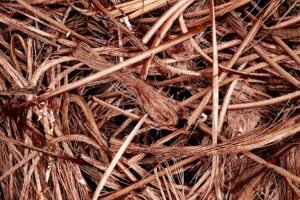
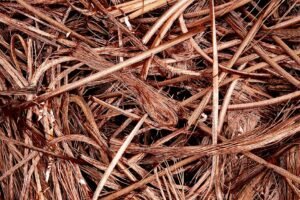
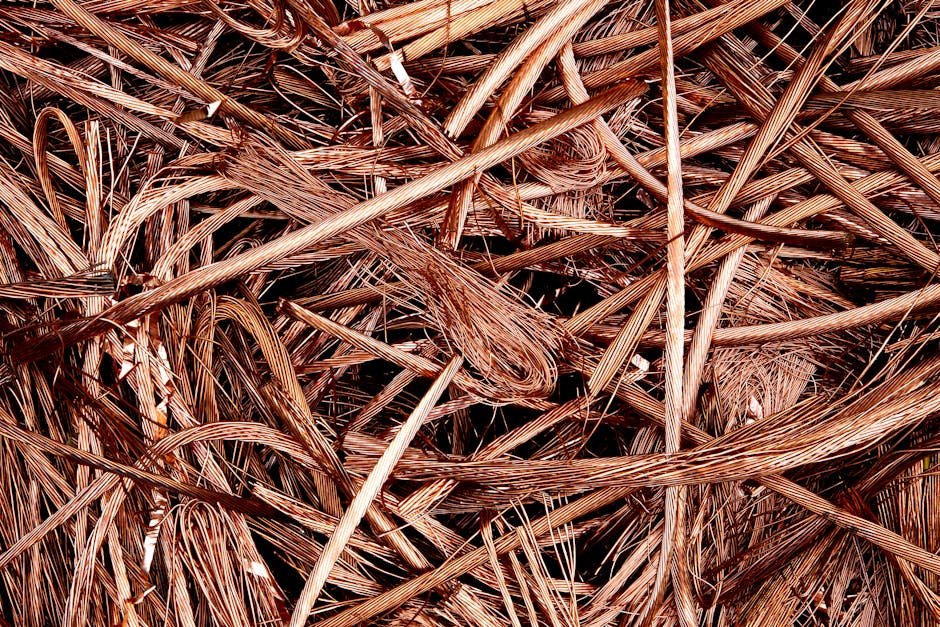
- Bare Bright Copper: This is the gold standard of scrap copper. It consists of clean, unalloyed, uncoated, and unalloyed copper wire, typically 16 gauge or thicker. It must be free of any insulation, paint, or oxidation. Because it requires the least amount of processing, it commands the highest market price.
- Number 1 Copper: This grade includes clean copper pipe and heavy-gauge wire that is free of fittings, insulation, or solder. It is slightly less pure than bare bright but remains highly sought after by refineries.
- Number 2 Copper: This consists of copper that has some impurities, such as solder, paint, or minor oxidation. It may include copper pipe that has been used in plumbing and still contains small amounts of solder joints or fittings.
- Insulated Copper Wire: This is copper wire that still retains its plastic or rubber coating. Its value is determined by the “recovery rate”—the percentage of actual copper content remaining once the insulation is stripped away.
By properly separating your copper wire and copper pipe at the source, you can significantly increase your payout. Mixing grades often results in the entire batch being valued at the lowest grade present, so meticulous sorting is a skill that pays dividends.
The Process: How Scrap Copper Recycling Works
The recycling process is a sophisticated operation designed to transform waste into a high-purity raw material. Once you deliver your scrap to a processing facility, the material undergoes several stages. First, the scrap is inspected and weighed. Advanced X-ray fluorescence (XRF) analyzers are often used to determine the exact chemical composition of the metal, ensuring that the recycler can provide an accurate quote.
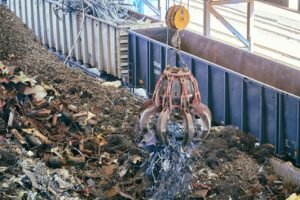
After weighing, the copper is shredded or granulated to remove non-metallic components like plastic insulation. Using high-powered magnets and air classifiers, the facility separates the copper from contaminants like steel, aluminum, and plastics. The refined copper is then melted down in high-temperature furnaces, cast into ingots or billets, and sold to manufacturers who turn it into new products. This entire lifecycle is supported by the Copper Scrap Group, which helps standardize these processes across the industry.
For those interested in the broader market, our resource at Scrap Trade offers detailed insights into global pricing trends. Additionally, you can find regional data and specific facility requirements at Scraptrade.com.au to ensure you are choosing the right partner for your specific volume of scrap.
Environmental Benefits of Copper Recovery
The environmental case for scrap copper recycling Wentworth Point is compelling. Mining for virgin copper is an energy-intensive process that involves massive land displacement, habitat destruction, and the production of toxic tailings. In contrast, recycling copper uses up to 85% less energy than producing it from raw ore. By choosing to recycle, you are directly contributing to a reduction in greenhouse gas emissions and preserving natural resources for future generations.
Furthermore, recycling prevents copper from ending up in landfills, where it can leach into the soil and groundwater. As copper is a heavy metal, its presence in waste streams can be detrimental to local ecosystems. By keeping this material in the supply chain, we reduce the environmental footprint of the construction and electronics industries, which are the primary consumers of copper products.
Practical Tips for Maximizing Your Returns
If you want to get the most out of your scrap, follow these expert tips:
- Strip your wire: If you have the time and the right tools, stripping the insulation off your copper wire can move it from a lower grade to “bare bright” status, which significantly increases its value.
- Keep it clean: Remove any attachments like brass fittings, steel valves, or plastic connectors from your copper pipes. These are considered contaminants and will lower your grade.
- Store it properly: Keep your scrap in a dry, covered area. Oxidation (the green tarnish you see on old copper) can sometimes lead to a lower grade classification.
- Build a relationship: If you are a regular contractor or tradesperson, establish a relationship with a specific yard. They are often willing to offer better pricing to loyal, repeat customers who bring in clean, well-sorted material.
- Monitor the market: Copper prices fluctuate daily based on the London Metal Exchange (LME). Check the current market trends before heading to the yard so you know what to expect.
The Future of the Scrap Metal Industry
The industry is currently undergoing a digital transformation. With the rise of blockchain-based tracking and automated sorting technologies, the transparency of the supply chain is better than ever. For businesses in Wentworth Point, this means more accurate reporting on sustainability metrics, which is increasingly important for corporate environmental, social, and governance (ESG) reporting. As we look toward the future, the integration of AI-driven sorting will likely make the process even more efficient, ensuring that almost every gram of copper is recovered and reused.
Conclusion: Taking the Next Step
Recycling is more than just a way to make extra money; it is a fundamental pillar of modern industrial responsibility. By understanding the grades, the processing methods, and the environmental impact, you are better equipped to make informed decisions that benefit both your bottom line and the planet. Whether you are a homeowner clearing out a renovation project or a large-scale construction firm managing site waste, the infrastructure for scrap copper recycling Wentworth Point is designed to support your needs. Start by sorting your materials today, stay informed on market trends, and partner with reputable recyclers to ensure that your scrap metal contributes to a sustainable future.
Related: scrap copper recycling chullora
Related: scrap copper recycling lidcombe
Frequently Asked Questions
What is the difference between Number 1 and Number 2 copper?
Number 1 copper is clean, unalloyed, and free of solder or oxidation, making it more valuable. Number 2 copper contains minor impurities like solder, paint, or light oxidation, which requires more processing to refine.
How can I get the best copper price per kg?
You can maximize your returns by sorting your scrap by grade, removing all non-copper attachments, and stripping insulation from copper wire. Selling in larger, well-organized quantities also helps you negotiate better rates.
Is it worth stripping insulation from copper wire?
Yes, if you have the proper tools and time, stripping insulation can significantly increase the value of your scrap by moving it from a lower-value insulated grade to a high-value bare bright grade.
Where can I find reliable recycling centers in my area?
You can use online directories like our ‘Scrap Metal Recycling Near Me’ tool to find verified, professional facilities. Always check for recent reviews and ensure the facility is licensed to handle metal recycling.