
Navigating the landscape of scrap metal Birrong requires an understanding of market fluctuations, material grading, and the logistical advantages of working with a professional recycling partner. Whether you are a trade contractor, a demolition expert, or a local resident looking to clear out your garage, understanding how to maximize the value of your materials is essential. As the Australian circular economy matures, the demand for high-quality secondary raw materials has never been higher. By engaging with professional services, you ensure that your waste is diverted from landfills and returned to the manufacturing supply chain, supporting a sustainable future for the Sydney region.
Understanding the Scrap Metal Birrong Market Dynamics
The scrap industry in New South Wales is a critical component of the national infrastructure. When you engage with scrap metal Birrong services, you are participating in a global commodity market. Prices are dictated by international demand, particularly from manufacturing hubs in Asia and Europe. Understanding these trends is key to knowing when to liquidate your holdings. For those looking for the most current data, checking Scrap Metal Prices is the first step in any transaction. The Birrong area, being well-connected to major industrial corridors, allows for efficient logistics, which often translates to better net returns for sellers compared to more isolated regions.
If you are looking to Sell Scrap Metal Near Me In 2026, it is important to understand that the market is shifting toward higher transparency and better sorting practices. Facilities are now utilizing advanced spectroscopic technology to identify metal grades instantly, meaning that if you take the time to separate your copper, brass, and aluminium before arriving at the yard, you will be rewarded with premium pricing. This level of preparation is what separates amateur sellers from professional industrial partners. When researching options for Scrap Metal Recycling Near Me, prioritize yards that offer certified weighbridge services and transparent grading reports.
The Hierarchy of Scrap Metal Grades
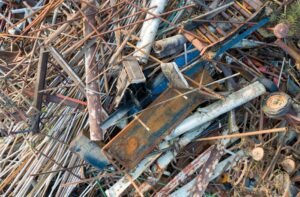
Not all scrap is created equal. To be successful in trading, you must classify your materials correctly. Metals are generally divided into two main categories: ferrous and non-ferrous. Ferrous metals, such as steel and iron, contain carbon and are magnetic. While they are lower in value per kilogram, they are traded in high volumes. Non-ferrous metals, including copper, aluminium, brass, lead, and zinc, are significantly more valuable due to their scarcity and the energy-intensive nature of their primary extraction. For those operating in the broader scrap metal sydney market, understanding these distinctions is non-negotiable.
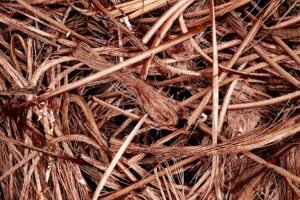
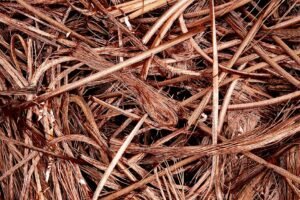
Copper is arguably the most sought-after metal in the recycling industry. It is graded based on its purity and oxidation levels. ‘Bright and Shiny’ copper, which is stripped of insulation and free of oxidation, commands the highest market rate. In contrast, ‘Burnt’ or ‘Insulated’ copper requires more processing, resulting in a lower price point. Aluminium is another staple, often found in window frames, extrusions, and beverage cans. High-grade aluminium extrusions are highly valued for their ease of recycling into new structural components. By maintaining a clean stream of materials, you avoid the ‘mixed’ or ‘dirty’ classification, which significantly reduces the payout.
The Environmental Benefits of Recycling
The environmental case for recycling is overwhelming. Extracting virgin ore is an incredibly destructive process that involves open-pit mining, deforestation, and massive energy expenditure. By choosing to recycle, you are effectively reducing the need for these activities. For instance, recycling aluminium saves approximately 95% of the energy required to produce the same amount from bauxite ore. This reduction in energy usage directly correlates to lower greenhouse gas emissions. As a leader in the industry, our platform at Scrap Trade is dedicated to promoting these sustainable practices across Australia.
Beyond energy savings, recycling prevents toxic heavy metals from leaching into groundwater. When electronics or appliances are sent to landfills, components like lead, mercury, and cadmium can cause long-term environmental degradation. Proper disposal through a certified facility ensures that these hazardous materials are handled in controlled environments. This is a vital aspect of the Australian metal recycling network, which works to ensure that every tonne of metal recovered is a tonne of waste diverted from our precious ecosystem. Whether you are in Birrong or looking at options for scrap metal dandenong, the environmental impact remains a consistent and positive outcome of your decision to recycle.
How the Recycling Process Works
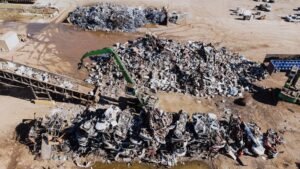
The journey of a piece of scrap metal from your site to a new product is a sophisticated logistical operation. It begins with collection and transportation. Once the material arrives at the facility, it undergoes a rigorous inspection and grading process. Large-scale shredders are then used to break down complex items, such as vehicles or appliances, into smaller, manageable pieces. Magnetic separators are employed to pull out ferrous metals, while eddy current separators are used to distinguish non-ferrous metals from non-metallic materials like plastic and rubber.
Once the materials are sorted, they are cleaned and compacted into dense bales. These bales are then shipped to smelters where they are melted down into ingots or billets. These ingots serve as the raw material for manufacturers who produce everything from new car parts to structural beams for skyscrapers. This closed-loop system is the definition of a circular economy. By participating in this process, you are essentially providing the raw materials for the next generation of infrastructure, effectively turning yesterday’s waste into tomorrow’s assets.
Logistics and Site Clearing Tips
For businesses generating large volumes of scrap, logistics is the biggest hurdle. Efficient site management involves setting up dedicated bins for different metal grades. By keeping your copper separate from your steel, you prevent cross-contamination, which can downgrade the value of an entire load. We recommend implementing a ‘sort-at-source’ policy where workers are trained to place materials into specific containers immediately upon removal. This not only increases the value of your scrap but also improves site safety by reducing trip hazards and clutter.
When planning a large clear-out, consider the volume and the weight. Heavy machinery, such as hydraulic shears or magnets, may be required for larger demolition projects. Always ensure that you are working with a licensed facility that provides accurate documentation. This is crucial for tax purposes and for proving your compliance with environmental regulations. If you are unsure about the classification of your materials, take a sample to the facility for an expert assessment. Building a relationship with a local yard manager can provide you with insights into market timing, helping you hold onto materials when prices are low and sell when they peak.
Safety Protocols in Metal Handling
Handling scrap metal is inherently risky. Sharp edges, heavy loads, and hazardous materials require strict adherence to safety protocols. Personal Protective Equipment (PPE) is mandatory, including heavy-duty gloves, steel-capped boots, and high-visibility clothing. When dealing with old electronics or industrial machinery, be aware of potential chemical residues or pressurized components. Never attempt to cut or dismantle items that may contain hazardous materials like capacitors or asbestos without proper training and equipment.
Furthermore, ensure that your transport methods are safe. Overloading trailers is not only illegal but dangerous. Ensure that all loads are properly secured with straps or nets to prevent debris from falling onto public roads. By maintaining a professional approach to safety, you protect your workers, the public, and your business reputation. Remember that a clean, well-organized site is not just safer, but also more efficient, allowing for faster loading times and fewer logistical errors.
Future Trends: The Road to 2026
As we look toward 2026, the scrap metal industry is poised for significant technological disruption. Automation and AI-driven sorting systems are becoming the standard, allowing for higher precision and faster throughput. This means that the quality of scrap will become even more important. Facilities that adopt these technologies will be able to offer better prices to their suppliers. Additionally, there is a growing emphasis on traceability. Manufacturers want to know the origin of their raw materials to ensure they meet sustainability standards. Being able to provide a ‘chain of custody’ for your scrap may soon become a competitive advantage.
We are also seeing a shift toward decentralized recycling. Smaller, community-focused hubs are emerging, reducing the distance material needs to travel. This reduces the carbon footprint of the entire recycling process. Whether you are a small business owner or a home renovator, staying informed about these trends will help you navigate the market effectively. Keep an eye on industry publications and maintain regular contact with your recycling partners to ensure you are always ahead of the curve.
Conclusion: Taking Action
The decision to recycle your scrap metal is a win-win scenario. It provides a financial return for your waste, supports the local economy, and contributes to a healthier planet. By understanding the grades, optimizing your sorting processes, and choosing the right partners, you can maximize the value of every kilogram. Whether you are dealing with a small amount of household copper or a massive industrial demolition, the principles of professional recycling remain the same. Start by auditing your current waste streams, identifying the high-value materials, and reaching out to a reputable facility today. The future of the Australian manufacturing industry depends on the quality of the scrap we recover today. Make the choice to recycle responsibly and reap the rewards of a more sustainable business model.
Frequently Asked Questions
What is the most valuable type of scrap metal?
Copper is generally the most valuable common scrap metal due to its high demand in electrical and plumbing industries. Clean, bright, and shiny copper wire commands the highest market price.
How should I prepare my scrap for the best price?
Sort your metals by type, such as separating copper, brass, aluminium, and steel. Remove any non-metallic attachments like plastic, rubber, or wood to ensure your material is classified as ‘clean’ rather than ‘dirty’.
Are there items that cannot be accepted as scrap metal?
Yes, most facilities will not accept radioactive materials, sealed gas cylinders, hazardous waste, or items containing asbestos. Always check with your local yard before bringing in complex or potentially dangerous items.
Does the location of the scrap yard affect my payout?
Yes, proximity to major transport hubs and industrial zones can influence pricing due to lower logistics and transport costs. Choosing a reputable local yard helps ensure transparent weighing and competitive market rates.