
Navigating the landscape of scrap metal Chatswood requires a nuanced understanding of how local recycling facilities operate and how global commodity markets influence local pricing. Whether you are a tradesperson clearing a worksite, a homeowner disposing of old appliances, or a business manager handling industrial waste, understanding the lifecycle of your scrap is essential for both economic gain and environmental stewardship.
Understanding the Fundamentals of Scrap Metal Recycling
Recycling is not merely about clearing clutter; it is a sophisticated industrial process that transforms discarded objects back into raw material inputs for manufacturing. When you engage with Scrap Metal Recycling Near Me, you are participating in a circular economy that significantly reduces the carbon footprint associated with virgin metal mining. The process begins with collection, followed by rigorous sorting—often using advanced magnetic separators and eddy current sensors—to ensure that high-purity metal streams are isolated from contaminants like plastics, rubber, or glass.
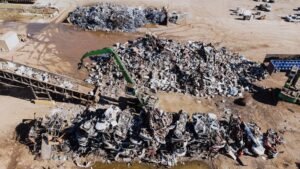
In the context of the Sydney metropolitan area, the logistical efficiency of transporting scrap is paramount. While many residents search for options specifically in the North Shore, it is worth noting that industrial hubs like silverwater scrap metal facilities often provide the processing infrastructure required for larger, mixed-load recycling. By understanding the grade of your material, you can better prepare your scrap for processing, ensuring that you receive the best possible value when you decide to Sell Scrap Metal Near Me In 2026.
Categorizing Scrap Metal: Ferrous vs. Non-Ferrous Grades
To maximize the value of your scrap, you must distinguish between the two primary categories of metals. Ferrous metals contain iron and are typically magnetic, while non-ferrous metals do not contain iron and are generally more valuable due to their resistance to corrosion and high conductivity.
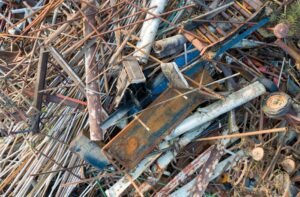
- Ferrous Metals: These include structural steel, cast iron, and light iron (such as household appliances). These are the backbone of construction and are recycled in massive volumes.
- Non-Ferrous Metals: This category includes copper, aluminium, brass, stainless steel, and lead. These metals are highly prized in electrical, plumbing, and aerospace industries.
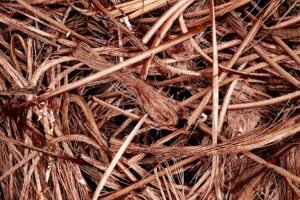
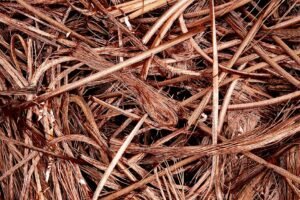
When you bring materials to a facility specializing in scrap metal Chatswood, the yard staff will test your items for these specific properties. For instance, high-grade copper wiring is stripped of its plastic insulation to reach a ‘bright and shiny’ grade, which commands a premium. Conversely, contaminated steel—such as steel with attached concrete or heavy rust—may be downgraded to ‘mixed steel’ or ‘shred,’ which carries a lower market value. Keeping your materials clean and sorted is the single most effective way to improve your payout. If you are curious about current market trends, checking the latest Scrap Metal Prices is a vital step before heading to the scales.
The Environmental Impact of Metal Recycling
The environmental case for recycling is irrefutable. Mining virgin ore is an energy-intensive process that involves massive land disruption, habitat destruction, and significant greenhouse gas emissions. In contrast, recycling aluminium saves approximately 95% of the energy required to produce the same amount from bauxite ore. Similarly, recycling steel reduces water consumption by 40% and air pollution by 86% compared to primary production.
By choosing to recycle, you are directly preventing heavy metals and hazardous materials from leaching into landfills. In a dense urban environment like Chatswood, responsible waste management is crucial for maintaining local soil and water quality. Furthermore, the energy saved by using recycled metals reduces the overall demand on the power grid, contributing to a more sustainable energy future. For those seeking professional services, resources like the Scrap Trade Australia portal offer insights into how local businesses are modernizing their environmental compliance standards.
Logistics and Best Practices for Scrap Collection
Successfully recycling large volumes of scrap requires planning. Whether you are dealing with a demolition site or a warehouse clearance, the logistical challenge of moving heavy, dense materials cannot be overstated. Many professional recyclers offer bin services or skip hire, which can be a game-changer for contractors. If you are managing a project, consider the proximity of your site to major transport arteries; for instance, many operators who service the North Shore also maintain connections to scrap metal silverwater sites to handle high-volume industrial scrap that requires specialized shredding equipment.
Practical tips for maximizing your recycling efficiency include:
- Sorting at the Source: Don’t mix brass with copper or steel with aluminium. Keeping these streams separate prevents cross-contamination and ensures you are paid for the highest grade in your load.
- Removing Non-Metal Attachments: Remove wood, plastic, or concrete from metal items before transport. This reduces the weight of ‘trash’ that might lead to a lower price per tonne.
- Safety First: Always wear gloves and protective footwear when handling scrap. Sharp edges and heavy, unstable loads are common hazards.
- Regular Monitoring: Market prices fluctuate daily based on global demand. If you have significant quantities, monitor the market and sell when prices are favorable.
For more detailed information on how to manage your scrap portfolio, visit the main Scrap Trade hub to stay updated on industry standards.
The Future of Metal Recycling in Australia
The Australian scrap industry is currently undergoing a massive transformation driven by technology and stricter environmental regulations. We are seeing the rise of ‘smart’ sorting facilities that use AI-driven cameras to identify metal alloys in real-time. This technological leap allows for higher purity levels, which in turn makes recycled metal more desirable for high-end manufacturing applications, such as the production of electric vehicle components.
As we look toward the future of scrap metal Chatswood and the broader Australian market, the emphasis is shifting toward ‘urban mining.’ This concept treats our cities as mines, where the infrastructure and consumer goods of the past become the raw materials of the future. This shift is not just an environmental necessity; it is an economic opportunity for businesses to reduce their reliance on volatile imported raw materials by creating a localized, circular supply chain.
Maximizing Economic Returns: A Strategic Approach
To treat scrap metal as a revenue stream rather than a waste management cost, you must adopt a strategic approach. This starts with understanding the ‘Buy Price’ versus the ‘Sell Price.’ Recyclers buy your scrap based on the current LME (London Metal Exchange) rates, adjusted for processing costs and logistics. By accumulating larger quantities, you gain more leverage to negotiate better rates.
Furthermore, businesses should consider the audit trail. In an era where ESG (Environmental, Social, and Governance) reporting is becoming mandatory for many companies, having a certified recycling partner who can provide documentation of diverted waste is a significant competitive advantage. When selecting a partner, look for transparency in their weighing processes and a clear breakdown of how they calculate the value of your scrap. Professionalism in the yard, accurate scales, and clear communication are the hallmarks of a reputable recycling partner.
Safety, Compliance, and Community Standards
Operating a scrap yard in a residential or mixed-use area like Chatswood requires strict adherence to safety and environmental regulations. This includes noise mitigation, dust control, and the safe handling of hazardous materials (such as batteries or gas cylinders). When you drop off your scrap, you are interacting with a system that is heavily regulated by the EPA to ensure that the recycling process does not cause harm to the local community.
As a consumer or business owner, you play a role in this compliance by ensuring your scrap is ‘clean.’ For example, never include sealed pressure vessels, radioactive materials, or hazardous chemical containers in your scrap load. These items pose severe risks to workers and equipment. By following these community standards, you help the industry maintain its license to operate and ensure that the recycling process remains safe and efficient for everyone involved.
Conclusion: The Path to Sustainable Scrap Management
Recycling is the cornerstone of a sustainable industrial future. By engaging with professional scrap metal services, you are not only recovering value from your waste but also contributing to a global movement that prioritizes resource efficiency over extraction. Whether you are navigating the complexities of scrap metal Chatswood or looking for broader solutions across the Sydney region, the key is to stay informed, keep your materials sorted, and choose partners who value transparency and environmental responsibility.
As we move further into the decade, the integration of digital platforms, improved sorting technology, and a more circular mindset will continue to elevate the scrap metal industry. Start by auditing your current waste streams, identifying the types of metals you produce, and connecting with a reputable recycler who can help you optimize your recycling strategy for maximum economic and environmental impact.
Frequently Asked Questions
What is the most valuable type of scrap metal?
Copper is generally the most valuable common scrap metal due to its high demand in electrical and plumbing industries. High-purity grades like ‘bright and shiny’ copper wire command the highest prices.
How do I know if my metal is ferrous or non-ferrous?
The easiest test is to use a magnet. If the magnet sticks to the metal, it is ferrous (contains iron, like steel or iron); if it does not stick, it is non-ferrous (like aluminium, copper, or brass).
Can I bring any type of scrap to a recycling facility?
Most facilities accept a wide range of metals, but they prohibit hazardous materials like sealed gas cylinders, radioactive items, or containers with chemical residue. Always check with the facility before bringing potentially hazardous items.
How are scrap metal prices determined?
Prices are primarily driven by global commodity markets, specifically the London Metal Exchange (LME). Local recyclers adjust these prices based on supply, demand, processing costs, and transport logistics.