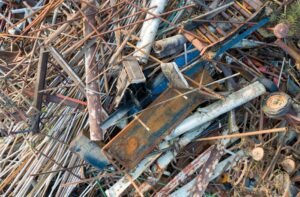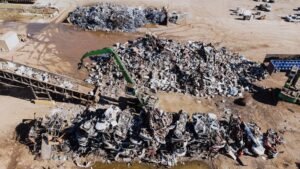

Navigating the landscape of scrap metal Geebung requires a deep understanding of market dynamics, material classification, and the logistical advantages of working with professional recycling facilities. As Brisbane’s industrial sectors evolve, the need for efficient metal recovery has never been more critical. Whether you are a trade professional, a demolition contractor, or a local business owner, understanding how to manage your metal waste can significantly impact your bottom line. By engaging with a reputable scrap metal trading platform, you ensure that your materials are handled according to the highest industry standards, contributing to a circular economy that benefits both the environment and the local economy.
Understanding Metal Grades: Ferrous vs. Non-Ferrous
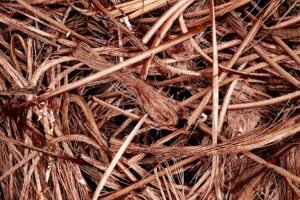
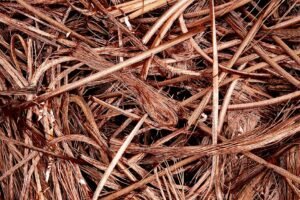
To maximize the value of your scrap, you must first understand the fundamental difference between ferrous and non-ferrous metals. Ferrous metals, which contain iron, are magnetic and generally have a lower market value per kilogram but are recycled in massive volumes. Common examples include steel, iron, and cast iron found in structural beams, automotive parts, and appliances. Conversely, non-ferrous metals—such as copper, aluminium, brass, lead, and stainless steel—are non-magnetic and highly prized for their corrosion resistance and conductivity. Because these metals are infinitely recyclable without losing their properties, they command higher Scrap Metal Prices in the Geebung market. Identifying your scrap correctly is the first step toward getting the best return on your investment.
When you prepare to Sell Scrap Metal Near Me In 2026, sorting your haul by grade is essential. Mixed loads often result in the ‘lowest common denominator’ pricing, meaning your high-value copper might be valued at the rate of cheaper steel if it is not separated. For those operating in other regions, it is worth noting that the principles of grading remain consistent whether you are dealing with scrap metal moorebank or looking for maddington scrap metal services. Consistency in sorting not only speeds up the transaction process at the yard but also ensures that you are paid accurately for the quality of the material you deliver.
The Lifecycle of Scrap Metal Recycling
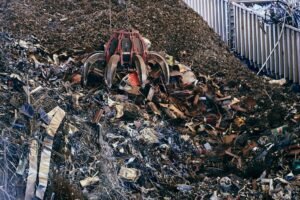
The process of recycling scrap metal is a highly engineered sequence of events designed to maximize recovery rates and minimize energy consumption. It begins with collection, where scrap is gathered from industrial sites, demolition projects, or household cleanups. Once the material arrives at a facility in Geebung, it undergoes a rigorous sorting process. Advanced technologies, including X-ray fluorescence (XRF) analyzers and magnetic separators, are used to identify the chemical composition of each piece. This is crucial because even small amounts of contaminants, such as plastics or rubber, can ruin an entire batch of molten metal during the smelting process.
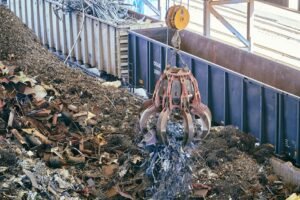
After sorting, the metal is processed. This often involves shearing, shredding, or baling to reduce the physical volume of the material, making it easier to transport and feed into furnaces. Shredding is particularly effective for complex items like end-of-life vehicles or white goods, as it allows for the mechanical separation of different materials. Once shredded, the metal is melted in a furnace, refined to remove impurities, and cast into ingots or billets. These raw materials are then sold back to manufacturers to be turned into new products, completing the loop. Engaging with high-quality Scrap Metal Recycling Near Me services ensures that this process is handled with environmental integrity and efficiency.
Environmental Benefits of Recycling
The environmental impact of recycling scrap metal is profound. Mining raw ores is an energy-intensive and ecologically destructive process that involves stripping large areas of land, destroying habitats, and generating significant greenhouse gas emissions. In contrast, recycling scrap metal uses a fraction of the energy required to produce new metal from virgin ore. For instance, recycling aluminium saves approximately 95% of the energy needed to produce the same amount of aluminium from bauxite ore. By choosing to recycle, you are directly contributing to the reduction of carbon footprints and the preservation of natural resources.
Furthermore, the recycling industry plays a vital role in waste management. Without a robust system for recovering metals, these materials would end up in landfills, where they can leach toxic heavy metals into the soil and groundwater. By participating in the professional scrap metal trading network, you are helping to divert thousands of tonnes of waste from Australian landfills annually. This is a critical component of the national strategy to transition toward a more sustainable and resource-efficient economy, ensuring that Geebung remains a clean and productive industrial hub for future generations.
How to Maximize Your Returns
If you are looking to get the best financial return, preparation is key. First, keep your metals clean. Remove any non-metallic attachments like plastic casings, wood, or glass. While some facilities may accept mixed loads, clean, sorted scrap is almost always valued higher because it requires less labor to process. Second, keep an eye on market trends. Metal prices are volatile and influenced by global supply and demand, currency fluctuations, and geopolitical events. Being aware of these shifts can help you decide when to hold onto your scrap and when to sell.
Third, build a relationship with your local yard. Regular traders who provide clean, consistent material are often prioritized and may have access to better pricing structures. Finally, ensure you have the right logistics. If you are dealing with large volumes of industrial scrap, talk to your recycler about bin services or collection options. Transporting your own scrap can be costly and time-consuming, so leveraging the logistics network of a professional scrap metal Geebung provider can turn a logistical headache into a streamlined operation.
The Future of Metal Trading in Australia
As we look toward 2026 and beyond, the industry is becoming increasingly digitized. Trading platforms are providing more transparency, real-time pricing updates, and better tracking of material flows. This technological shift is empowering sellers to make informed decisions rather than relying on guesswork. The integration of blockchain for supply chain transparency is also on the horizon, which will allow manufacturers to verify the provenance of their recycled materials—a growing requirement for ESG-conscious corporations.
The shift toward a circular economy is not just a trend; it is a necessity driven by global environmental policies and the increasing scarcity of high-grade raw materials. As an active participant in the scrap metal ecosystem, you are at the forefront of this change. Whether you are a small-scale recycler or a large industrial entity, your actions contribute to a global network of material recovery that supports sustainable manufacturing worldwide. Staying informed and utilizing the right tools will ensure that you remain competitive in this evolving market.
Safety and Compliance in Scrap Handling
Safety is the cornerstone of any successful scrap metal operation. Handling heavy, sharp, and potentially hazardous materials requires strict adherence to safety protocols. When collecting or transporting scrap, always use appropriate personal protective equipment (PPE), including gloves, steel-capped boots, and high-visibility clothing. Be aware of the materials you are handling; some older scrap items may contain hazardous substances like asbestos, PCBs, or residual chemicals that require special handling procedures. Compliance with local regulations is not optional; it is a legal requirement that protects both the environment and the workers in the industry.
Furthermore, ensure that you are dealing with licensed and reputable recyclers who operate under strict environmental licenses. This ensures that the facility you choose has the necessary infrastructure to manage hazardous byproducts safely and that they are not engaging in illegal dumping or improper processing. By prioritizing safety and compliance, you protect yourself from liability and ensure that your contribution to the recycling industry is truly positive. Always verify the credentials of the scrap metal Geebung service providers you engage with to ensure they meet Australian standards for environmental and operational safety.
Scaling Your Recycling Operations
For businesses generating consistent scrap, scaling your recycling operations is a smart way to turn a waste stream into a revenue stream. This involves implementing a dedicated scrap management plan on-site. Start by identifying the main sources of scrap in your production line or demolition process. Place clearly labeled collection bins for different types of metals at the point of origin to prevent cross-contamination. This simple step can significantly increase the purity of your scrap and, consequently, your profit margins.
Consider the frequency of your collections. If you are producing large volumes, a scheduled pickup service can prevent your site from becoming cluttered, which improves workplace safety and efficiency. Work with your scrap merchant to determine the most cost-effective collection intervals. By treating scrap metal as a valuable commodity rather than a waste product, you can optimize your internal processes and contribute significantly to your company’s sustainability goals. This proactive approach is what separates industry leaders from those who simply treat recycling as an afterthought.
Conclusion: The Path Forward
The scrap metal industry in Geebung is a vital component of Australia’s industrial infrastructure. By understanding the nuances of metal grades, the importance of proper sorting, and the broader environmental benefits of recycling, you can maximize your returns while contributing to a more sustainable future. Whether you are navigating the complexities of the market or looking to optimize your business’s waste management, the principles outlined in this guide provide a solid foundation for success. Remember that every kilogram of metal you recycle reduces the demand for virgin resources and supports the transition to a circular economy. Stay informed, stay safe, and leverage professional networks to ensure your scrap metal activities are as efficient and profitable as possible.
Frequently Asked Questions
What is the most valuable type of scrap metal?
Non-ferrous metals like copper, brass, and high-grade aluminium are typically the most valuable due to their high demand and infinite recyclability. Prices fluctuate based on global market conditions.
How do I prepare my scrap metal for the best price?
To get the best price, ensure your metal is clean, free of contaminants like plastic or wood, and sorted by type. Separating ferrous from non-ferrous metals is the most critical step for maximizing your return.
Why is scrap metal recycling better for the environment?
Recycling metal consumes significantly less energy than mining and refining virgin ore, which reduces greenhouse gas emissions. It also prevents hazardous waste from entering landfills and preserves natural resources.
Can I get a bin for my industrial scrap metal?
Yes, many professional scrap metal recyclers provide bin services for businesses and industrial sites. This helps keep your site clean and makes the collection and transport of large volumes of metal much more efficient.