
When searching for reliable scrap metal Greenacre solutions, it is essential to understand that the industry is built on efficiency, environmental stewardship, and precise material grading. As the industrial landscape of Sydney evolves, the demand for sustainable waste management has never been higher. Whether you are a construction contractor, a local business owner, or a resident clearing out a garage, understanding how to maximize the value of your materials is crucial. By choosing to work with professional recyclers, you contribute to a circular economy that preserves natural resources and reduces the carbon footprint associated with metal production.
Understanding the Grades of Scrap Metal
Metal classification is the cornerstone of the recycling industry. Scrap metal is generally categorized into two primary groups: Ferrous and Non-Ferrous. Understanding these differences is the first step when you decide to Sell Scrap Metal Near Me In 2026.
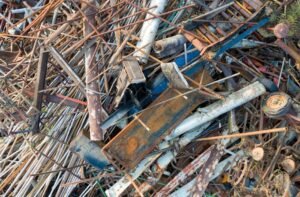
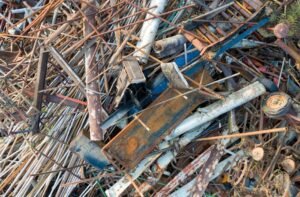
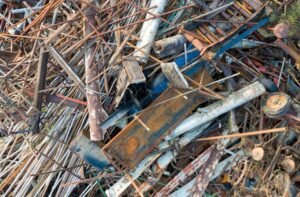
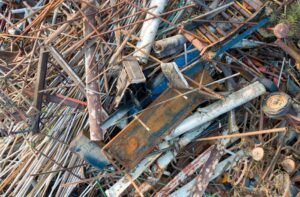
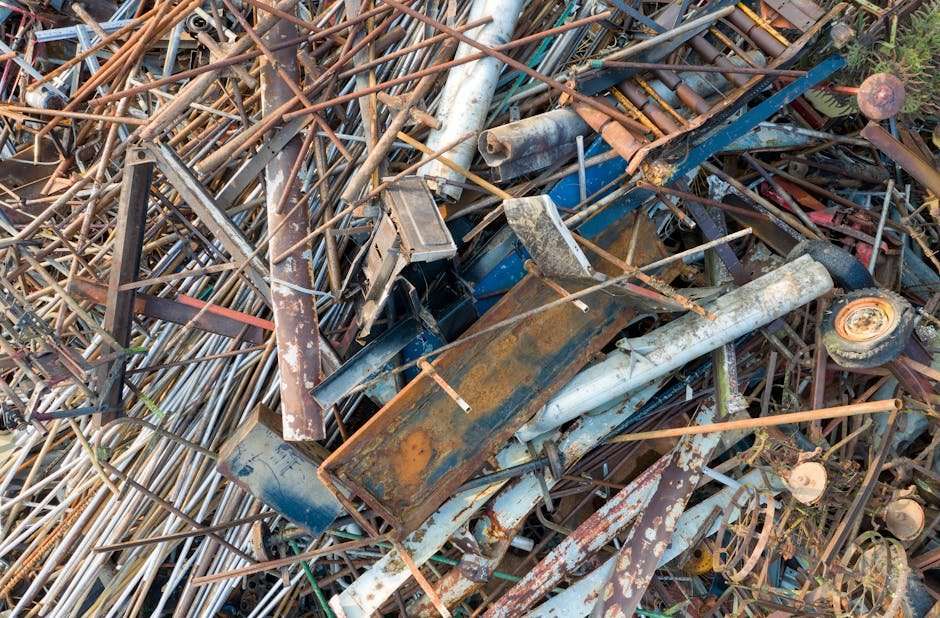
Ferrous Metals: These contain iron and are magnetic. They are the most common types of scrap found in construction and demolition. Common examples include:
- Structural Steel: Beams, pipes, and rebar from building sites.
- Cast Iron: Found in heavy machinery, old engine blocks, and piping.
- Sheet Metal: Used in roofing, car bodies, and appliances.
Non-Ferrous Metals: These are more valuable due to their scarcity and the energy required to extract them. They do not contain iron and are non-magnetic. Key examples include:
- Copper: Highly sought after due to its conductivity in electrical wiring and plumbing.
- Aluminium: Lightweight and infinitely recyclable, commonly found in window frames, cans, and automotive parts.
- Brass: An alloy of copper and zinc, often found in fittings, valves, and musical instruments.
- Lead and Stainless Steel: Specialized metals used in high-end manufacturing and industrial applications.
When you engage in scrap metal Greenacre recycling, accurately separating these metals can drastically improve your financial return. For those looking to understand the current market valuation, checking Scrap Metal Prices is a necessary step before heading to the yard. High-grade copper or clean aluminium will always command a premium over mixed, contaminated ferrous scrap.
The Scrap Metal Recycling Process: From Waste to Resource
The journey of a piece of scrap metal is a sophisticated industrial process designed to maximize purity and minimize waste. When you search for Scrap Metal Recycling Near Me, you are connecting with a facility that follows a strict, multi-stage protocol:
1. Collection and Sorting: This is the initial stage where metals are gathered. Advanced facilities use magnets, eddy current separators, and X-ray fluorescence (XRF) technology to identify the chemical composition of the scrap. Sorting is vital because contamination—such as plastic, glass, or low-grade steel mixed with high-grade copper—can ruin an entire batch.
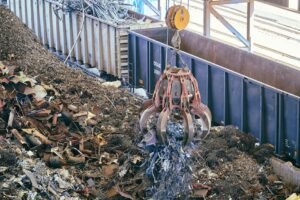
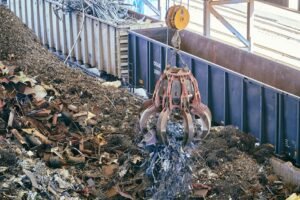
2. Processing and Shredding: Once sorted, the metal is fed into massive industrial shredders. These machines break down bulky items into smaller, uniform pieces. This increases the surface area-to-volume ratio, making it easier to separate impurities and prepare the material for the melting furnace.
3. Melting and Purification: The shredded metal is placed into large furnaces specifically designed for the melting point of that particular metal. During this phase, impurities are skimmed off or burned away. The molten metal is then poured into molds to create ingots, billets, or pellets.
4. Manufacturing: These purified forms are sold back to manufacturers to create new products. This cycle is what makes metal recycling so sustainable; the properties of metal do not degrade during the process, meaning it can be recycled indefinitely.
If you are looking for a reputable partner, you can visit Scrap Trade for industry-leading insights or explore the broader offerings at Scraptrade.com.au to see how they facilitate these complex logistics across Australia.
Environmental Benefits of Recycling Metal
The environmental impact of recycling is profound. Mining virgin ore is an energy-intensive and ecologically destructive process. By prioritizing scrap metal Greenacre recycling, we significantly reduce the strain on the planet. The benefits include:
- Energy Conservation: Recycling aluminium, for instance, uses 95% less energy than producing it from bauxite ore. Similar savings are seen with copper and steel.
- Greenhouse Gas Reduction: Lower energy consumption directly translates to fewer carbon emissions. Furthermore, the recycling process avoids the methane emissions associated with landfill decomposition.
- Landfill Diversion: By diverting tons of metal waste from landfills, we prevent soil and groundwater contamination. Metals in landfills can leach toxic chemicals over time, creating long-term environmental hazards.
- Resource Preservation: The earth’s supply of high-grade ore is finite. Recycling allows us to tap into the “urban mine,” effectively treating our cities as sources of raw material rather than just waste generators.
For those interested in the industry standards, learning about norms scrap metal helps clarify how international quality benchmarks protect both the environment and the end-user.
Practical Tips for Maximizing Your Scrap Value
Many people leave money on the table simply because they do not prepare their scrap properly. To ensure you get the best cash for scrap metal near me, follow these expert tips:
Clean Your Metal: Remove non-metal attachments. If you have an old electric motor, remove the steel casing if possible. If you have copper pipes, remove the brass fittings. Pure, clean metal is always worth more than mixed components because it requires less labor for the recycler to process.
Separate by Type: Never mix your copper with your steel. Use separate bins or bags for different grades. Even within one type, like aluminium, try to separate cast aluminium (like engine parts) from sheet aluminium (like siding), as they have different market values.
Check the Market: Metal prices fluctuate based on global supply and demand. If you have a large quantity of high-value scrap, it may pay to wait for a favorable market shift. Always consult with your local yard to see if they offer volume-based pricing for larger loads.
Safety First: Scrap metal can be sharp and heavy. Always wear heavy-duty gloves, steel-toed boots, and eye protection. If you are dealing with industrial machinery, ensure it has been properly decommissioned and drained of any oils or fluids, as recyclers will reject contaminated loads.
The Future of Recycling in Sydney
The industry is moving toward a more digitized and transparent model. In 2026 and beyond, we expect to see more automated sorting technologies and blockchain-based tracking for metal provenance. This transparency ensures that the scrap you drop off is being tracked through an ethical supply chain. As Greenacre continues to grow as a hub for industrial and commercial activity, the infrastructure for recycling will only become more efficient. By participating in these local programs, you are not just clearing space—you are fueling the next generation of Australian manufacturing.
Conclusion: Your Role in the Cycle
Recycling is a collaborative effort. Whether you are a small-scale recycler or a large industrial firm, your contribution matters. By understanding the grades of metal, the logistics of the recycling process, and the environmental benefits, you become an informed participant in the circular economy. We encourage you to reach out to local experts to discuss your scrap needs and start turning your waste into a valuable resource today. Remember, the metal you recycle today could very well be the steel in a new bridge or the copper in a new EV tomorrow.
Frequently Asked Questions
What is the difference between ferrous and non-ferrous metals?
Ferrous metals contain iron and are magnetic, such as steel and cast iron. Non-ferrous metals do not contain iron and are non-magnetic, including copper, aluminium, and brass, which are generally more valuable.
How can I get the best price for my scrap metal?
To maximize your return, clean your scrap by removing non-metal parts and sort your metals by type. Keeping materials pure and organized saves the recycler time and increases the value of your load.
Why is it important to recycle scrap metal instead of throwing it away?
Recycling metal saves massive amounts of energy compared to mining virgin ore, reduces greenhouse gas emissions, and prevents toxic materials from leaching into landfills. It is a critical component of a sustainable, circular economy.
Are there items that recyclers will not accept?
Most recyclers will not accept items containing hazardous materials like asbestos, radioactive waste, or sealed containers that could pose an explosion risk. Always check with your local facility before bringing in large or unusual items.