
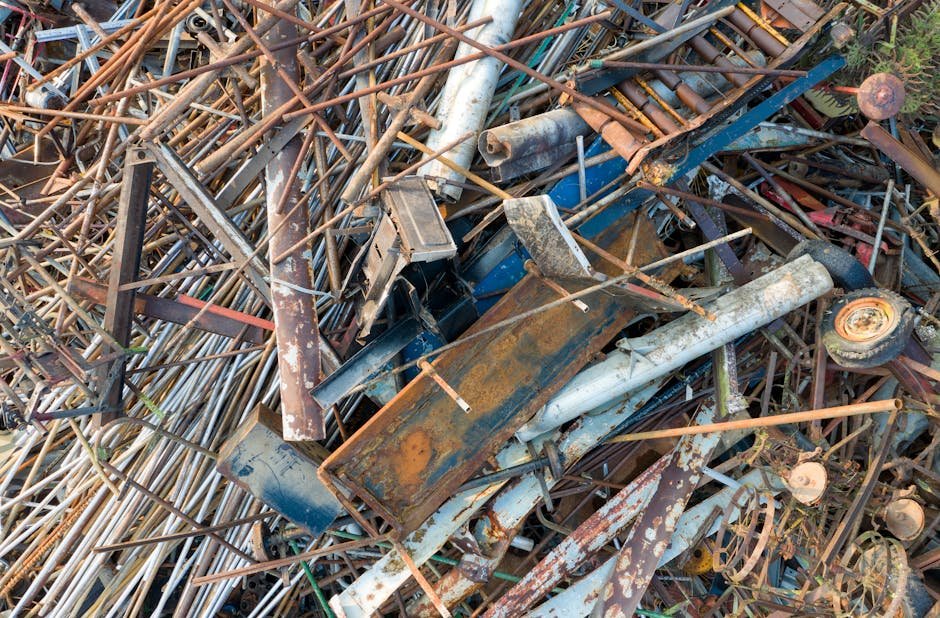

Navigating the world of scrap metal Hervey Bay requires an understanding of both the local market dynamics and the global commodity landscape. Whether you are a tradesperson clearing a job site, a local business owner, or a resident cleaning out the shed, knowing how to categorize your materials is the first step toward turning waste into profit. As the Fraser Coast region grows, the demand for sustainable waste management has never been higher, making local recycling efforts vital for both the economy and the environment.
Understanding Metal Grades: Ferrous vs. Non-Ferrous
To get the most out of your scrap, you must first distinguish between the two primary categories of metal: ferrous and non-ferrous. Ferrous metals, which include iron and steel, are magnetic and are the most commonly recycled materials globally. In the context of scrap metal Hervey Bay, this often includes structural steel, old car bodies, and appliances. Because these materials are abundant, they are typically traded in higher volumes but at lower price points per kilogram compared to their non-ferrous counterparts.
Non-ferrous metals—such as copper, aluminium, brass, lead, and stainless steel—do not contain iron and are non-magnetic. These metals are highly prized because they do not lose their chemical properties during the recycling process, allowing them to be melted down and reformed indefinitely. If you are looking to maximize your returns, focusing on the collection of high-value non-ferrous items like copper piping or electrical wiring is essential. For those wondering about current market valuations, you can monitor the latest Scrap Metal Prices to ensure you are getting a fair deal for your collection.
The Lifecycle of Scrap Metal Recycling
The process of recycling scrap metal is a sophisticated industrial operation that transforms discarded items into raw material feedstock. It begins with collection and transportation. Whether you are utilizing a professional service or dropping off materials yourself, the integrity of the sorting process is paramount. Once the metal reaches the facility, it undergoes rigorous inspection to remove contaminants like plastic, glass, or hazardous fluids. This is where sim scrap metal protocols often come into play, ensuring that safety and environmental standards are maintained during the handling of heavy industrial waste.
After sorting, the metal is processed through shredding, shearing, or baling. Shredding involves breaking down large items—like vehicles or white goods—into smaller fragments, which allows magnets and sensors to separate ferrous from non-ferrous materials automatically. The final stage is melting and purification. The refined metal is then cast into ingots or billets, which are sold to manufacturers to create everything from new car parts to structural beams for the construction industry. By participating in this circular economy, you contribute to a system that drastically reduces the need for virgin ore mining.
Environmental Benefits and Sustainability
The environmental impact of recycling cannot be overstated. Extracting raw ore from the earth is an energy-intensive process that leaves significant ecological scars, including habitat destruction and groundwater contamination. By contrast, recycling aluminium, for instance, saves approximately 95% of the energy required to produce the same amount of metal from raw bauxite ore. When you recycle scrap metal Hervey Bay, you are directly reducing the carbon footprint of the local manufacturing sector.
Furthermore, recycling diverts massive quantities of waste from local landfills. In the Fraser Coast, where protecting the natural coastline is a priority, reducing the volume of heavy metal waste entering our waste stream is a critical environmental imperative. Beyond energy savings, recycling metal reduces water usage and toxic chemical runoff associated with refining. It is a tangible way for individuals and businesses to support the transition toward a more sustainable, circular economy. If you are ready to dispose of your materials responsibly, finding a reliable partner is key; you can search for Scrap Metal Recycling Near Me to locate certified facilities that adhere to high environmental standards.
How to Prepare Your Scrap for Maximum Value
Preparation is the secret weapon of the professional scrap trader. Many people lose money by dumping mixed loads because they assume that sorting is too time-consuming. However, purity is the single biggest factor in determining the price you receive. If you mix your copper with steel or leave heavy plastic attachments on your aluminium, the facility must spend extra labor hours separating them, which will be reflected in a lower payout.
Start by separating your metals into distinct piles: one for copper, one for aluminium, one for brass, and one for steel. Remove any non-metal attachments like rubber gaskets, plastic handles, or glass. For those planning their logistics, you might want to look into how to Sell Scrap Metal Near Me In 2026 to stay ahead of future market trends and logistical requirements. Additionally, keep an eye on regional hubs; just as there is a specialized market for scrap metal armidale, the Hervey Bay market also rewards those who bring clean, sorted, and high-quality materials to the yard.
Logistics and Safety in the Scrap Trade
Handling scrap metal is inherently dangerous. Sharp edges, heavy loads, and the potential for hazardous chemicals mean that safety must always come first. When transporting scrap, ensure your load is properly secured to prevent accidents on the road. Many professional recycling centers offer pickup services for large quantities, which can save you the hassle of sorting and transport. Always check with your local facility regarding their specific safety requirements, such as the need for high-visibility vests or steel-toed boots when entering the yard.
For businesses generating regular scrap, setting up a bin service is the most efficient way to manage waste. This keeps your site clean and ensures that your scrap is being collected by professionals who understand the nuances of the trade. If you are looking for comprehensive resources on the industry, the Scrap Trade platform provides extensive data on market movements and best practices. For those based in Australia looking for localized support, the team at Scrap Trade Australia offers expert guidance on navigating the complexities of the national metal market. By treating your waste as a resource, you turn a logistical burden into a profitable business stream.
The Future of Metal Recycling in Australia
The Australian scrap metal industry is currently undergoing a digital transformation. From smart sorting technologies that use AI to identify metal alloys to blockchain-based tracking that ensures the provenance of recycled materials, the industry is becoming more transparent and efficient. As global regulations tighten around carbon emissions, the demand for recycled metal is projected to skyrocket. This shift will favor regions like Hervey Bay that have established, efficient recycling infrastructure.
As we look toward the future, the integration of small-scale collectors with large-scale industrial processors will be vital. Whether you are a hobbyist or a large-scale contractor, your role in the supply chain is significant. By keeping materials out of the landfill and feeding them back into the production cycle, you are helping to build a more resilient Australian economy. Stay informed, stay organized, and continue to prioritize quality in your collection efforts to ensure that the scrap industry remains a viable and profitable venture for years to come.
Frequently Asked Questions
Frequently Asked Questions
What is the most valuable scrap metal to collect?
Copper is consistently the most valuable common scrap metal due to its high demand in electrical and plumbing industries. Other high-value metals include brass, stainless steel, and lead.
Do I need to clean my scrap metal before selling it?
Yes, cleaning your scrap by removing non-metal contaminants like plastic, rubber, or wood significantly increases its value. Clean, sorted scrap is easier to process and fetches a higher price at the recycling yard.
Is it worth recycling small amounts of scrap metal?
While small amounts may not yield significant immediate profit, recycling them is essential for environmental conservation. Many local yards encourage the collection of all quantities, and some offer drop-off services for household scrap.
How do I know if my metal is ferrous or non-ferrous?
The easiest way is to use a magnet; if the magnet sticks to the metal, it is ferrous (iron or steel). If the magnet does not stick, it is likely a non-ferrous metal such as aluminium, copper, or brass.











