
Navigating the landscape of scrap metal Hobart requires a deep understanding of how global commodity markets intersect with local industrial practices. Whether you are a commercial contractor clearing a site or a homeowner decluttering, understanding the lifecycle of metal is essential. As Tasmania’s capital, Hobart serves as a critical hub for the circular economy, where discarded materials are diverted from landfills and transformed into valuable industrial resources. By choosing to recycle, you are not only contributing to a sustainable future but also tapping into a lucrative secondary market. If you are ready to turn your waste into wealth, explore our resources to Sell Scrap Metal Near Me In 2026 and understand the best practices for handling your materials.
Understanding the Grades of Scrap Metal
To get the most value for your materials when dealing with scrap metal Hobart, you must first understand the fundamental classification of metals. The industry is broadly split into two categories: ferrous and non-ferrous. Ferrous metals, which contain iron, are magnetic and generally have a lower market value due to their abundance. This category includes steel, cast iron, and wrought iron. Conversely, non-ferrous metals—such as copper, aluminum, brass, and stainless steel—are highly prized for their durability and resistance to corrosion. Because they do not lose their chemical properties during the recycling process, they can be recycled indefinitely.
Within these categories, specific grades further dictate pricing. For example, ‘Bright Shiny Copper’ is the highest grade of copper, free from insulation or oxidation, and fetches a premium price compared to ‘Number 2 Copper,’ which may contain minor impurities. Similarly, aluminum is graded based on its purity; ‘Extrusion’ aluminum is worth more than ‘Cast’ aluminum due to its specific alloy composition. Knowing how to sort your scrap into these grades before visiting a facility is the most effective way to secure better Scrap Metal Prices. When you take the time to separate your clean copper piping from your aluminum window frames, you are essentially increasing the efficiency of the recycling facility, which often translates to higher payouts for the seller.
The Mechanics of Scrap Metal Recycling
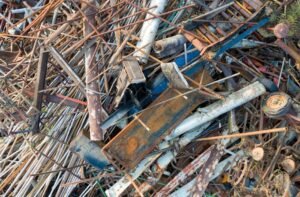
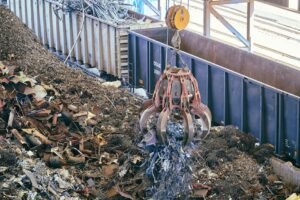
The recycling process is a sophisticated industrial operation that turns raw scrap into high-quality feedstock for manufacturing. It begins with collection and transportation. Once the scrap metal hobart tas arrives at the facility, the sorting process begins. Advanced technology, including magnetic separators, eddy current separators, and X-ray fluorescence (XRF) analyzers, is used to identify and separate different alloys with extreme precision. This high-tech approach ensures that contaminants are removed, allowing for the production of high-grade recycled ingots.
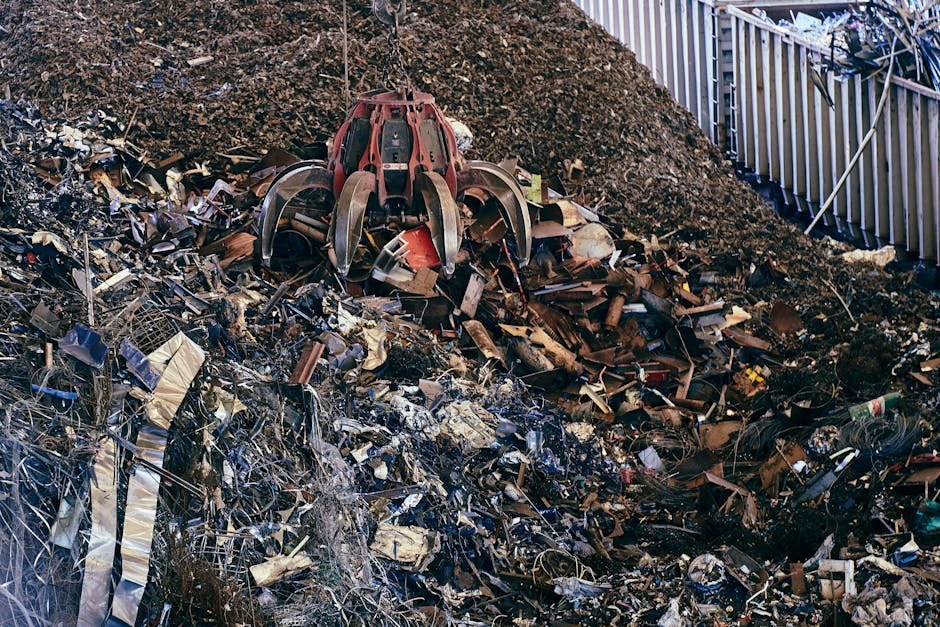
After sorting, the metal is processed. This may involve shredding, where large items like vehicles or white goods are broken down into fist-sized pieces, or shearing, where heavy-duty hydraulic blades cut through thick structural steel. Once shredded, the material is cleaned of non-metallic impurities such as plastic, rubber, or glass. The final stage is melting. The scrap is placed into massive furnaces and heated until it reaches a molten state. This liquid metal is then cast into billets, ingots, or sheets, which are then sold back to manufacturers to create everything from new car parts to construction beams. This closed-loop system is the backbone of the modern economy. For those looking for local facilities, our directory for Scrap Metal Recycling Near Me provides the most reliable points of contact in your area.
Environmental Benefits of Metal Recycling
The environmental case for recycling is overwhelming. Extracting virgin ore through mining is an energy-intensive process that causes significant habitat destruction, soil erosion, and water pollution. By contrast, recycling metals requires a fraction of the energy. For instance, recycling aluminum saves approximately 95% of the energy required to produce the same amount of aluminum from bauxite ore. This massive reduction in energy demand leads to a direct decrease in greenhouse gas emissions, making metal recycling one of the most effective tools we have in the fight against climate change.
Furthermore, recycling preserves our finite natural resources. As global demand for metals increases, the cost and environmental impact of traditional mining will only rise. By keeping metal in the supply chain, we reduce the need for new mines and prevent the accumulation of scrap in our landfills. In Tasmania, where the natural environment is a point of pride, supporting local recycling initiatives is a tangible way to protect our unique ecosystem. Whether you are looking for cash for scrap metal hobart or simply want to ensure your waste is handled responsibly, your participation in the circular economy matters.
Market Trends and Economic Factors
The scrap metal market is notoriously volatile, influenced by global industrial demand, currency fluctuations, and geopolitical events. When manufacturing hubs in Asia or Europe experience high demand, the price of scrap metal often rises. Conversely, an oversupply or a slowdown in the global construction sector can lead to price drops. To stay ahead, it is vital to track these trends. Many professional traders use online tools to check Scrap Metal Prices regularly to decide the optimal time to sell their inventory.
For the individual seller or small business owner in Hobart, understanding these cycles can be the difference between a modest payout and a significant windfall. It is often advised to hold onto non-ferrous scrap during market dips and sell when the market is bullish. Additionally, building a relationship with a reputable buyer is crucial. A transparent buyer will explain how they arrived at their pricing, provide accurate weight readings, and offer guidance on how to strip or clean your metal to reach a higher grade. For a broader look at the industry, visit the national scrap metal portal to see how regional markets compare across Australia.
Practical Tips for Maximizing Scrap Value
Maximizing your return on investment requires more than just gathering metal; it requires a strategy. First, cleanliness is king. Remove as much debris as possible—this includes stripping plastic insulation from copper wires, removing steel bolts from aluminum components, and separating brass fittings from copper pipes. Contamination is the primary reason for downgrading, which significantly impacts your final payment.
Second, safety must be your top priority. Always wear heavy-duty gloves, protective eyewear, and sturdy boots when handling scrap. Metal can be sharp, rusted, or heavy, and improper handling can lead to serious injury. Third, keep your scrap organized. If you have a large volume, sort it by type before you arrive at the yard. This not only makes the weighing process faster but also demonstrates to the yard operator that you are a serious seller, which can lead to better service and potentially better pricing. Finally, utilize the resources at the premier scrap metal trade platform to stay updated on industry standards and best practices for material handling.
The Future of Metal Recycling in Tasmania
As we move toward 2026 and beyond, the scrap metal industry is undergoing a digital transformation. We are seeing more integration of blockchain for supply chain transparency, ensuring that recycled materials are ethically sourced and processed. In Hobart, the focus is shifting toward higher recovery rates and more efficient logistics. The goal is to make the process of recycling as seamless as buying new materials.
As technology improves, we expect to see more specialized recycling facilities capable of recovering rare earth metals from electronic waste—a growing segment of the scrap industry. This will be a game-changer for the local economy, as it creates high-skilled jobs and keeps valuable components within our borders. By staying informed and participating in these programs, Hobart residents and businesses are positioning themselves at the forefront of a global movement toward sustainability. The future of the industry is bright, and those who engage with it today will be the ones who benefit most from the technological and economic shifts on the horizon.
Sustainability and Corporate Responsibility
For businesses, scrap metal recycling is not just about revenue; it is about corporate social responsibility (CSR). Many companies in Hobart are now adopting ‘Zero Waste to Landfill’ policies, which require them to account for every piece of metal waste generated. By partnering with certified recyclers, these companies can provide documentation that their waste has been diverted from landfills and processed in an environmentally compliant manner.
This is becoming increasingly important for tender processes, where government and private contracts often require proof of sustainable practices. When you recycle your scrap, you are not just getting paid; you are helping to build a record of environmental stewardship that can enhance your business reputation. Whether you are a small workshop or a large industrial firm, the systematic recycling of your scrap metal is a hallmark of a modern, responsible enterprise. Ensure you are working with partners who value transparency and environmental integrity to get the most out of your recycling efforts.
Conclusion: Taking Action Today
Recycling scrap metal is a powerful way to contribute to the health of our planet and the strength of our local economy. By understanding the grades of metal, the recycling process, and the market forces at play, you can turn your waste into a valuable asset. Whether you are searching for a place to trade your materials or simply looking to learn more about the industry, the resources available at our hub will guide you through every step. Remember, every kilogram of metal you recycle is a step away from destructive mining and a step toward a more sustainable, circular future for Hobart and beyond. Start sorting your scrap today and contribute to a greener tomorrow.
Related: scrap metal hobart tas
Frequently Asked Questions
What is the most valuable scrap metal to collect in Hobart?
Copper is generally the most valuable scrap metal, especially when it is clean and free of insulation. Other high-value metals include brass, stainless steel, and aluminum, provided they are sorted correctly.
Do I need to clean my scrap metal before selling it?
Yes, cleaning your scrap by removing plastic, rubber, or other non-metallic attachments will significantly increase its grade and value. Clean, sorted metal is much easier for recycling facilities to process, which often leads to better pricing.
How do I find the current price of scrap metal?
Scrap metal prices fluctuate based on global market demand. You can monitor these trends by checking our dedicated price tracking page or contacting a local Hobart recycler for their current buy rates.
Why is it better to recycle metal than to throw it away?
Recycling metal saves massive amounts of energy compared to mining virgin ore and prevents hazardous materials from entering landfills. It supports a circular economy and reduces the carbon footprint of manufacturing new products.