
Navigating the landscape of scrap metal Londonderry requires a deep understanding of market dynamics, material classification, and the logistical realities of the Australian recycling industry. Whether you are a trade professional, a demolition contractor, or a local resident looking to clear out your workshop, knowing how to identify and process your metal is the first step toward turning waste into profit.
The industry has evolved significantly, moving away from simple dumping to a sophisticated circular economy model. When you decide to Sell Scrap Metal Near Me In 2026, you are participating in a global supply chain that keeps essential raw materials in play. For those in regional areas, finding reliable services like scrap metal armidale or specialized providers like sim scrap metal is crucial for ensuring your materials are handled with environmental integrity.
Understanding Metal Grades: Ferrous vs. Non-Ferrous
To maximize the value of your scrap, you must first distinguish between the two primary categories: ferrous and non-ferrous. Ferrous metals contain iron and are magnetic, while non-ferrous metals do not contain iron and are generally more valuable due to their resistance to corrosion and high conductivity.
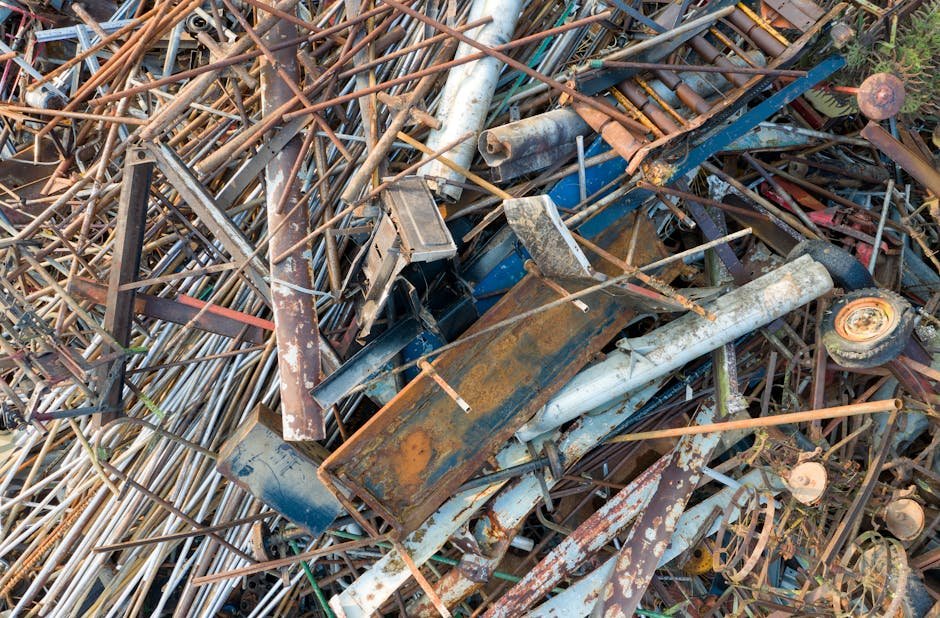
Ferrous Metals: These include carbon steel, alloy steel, wrought iron, and cast iron. They are commonly found in construction beams, vehicle chassis, and heavy machinery. Because they are produced in such high volumes, they are the backbone of the recycling industry. When checking current Scrap Metal Prices, you will notice that ferrous metals are typically priced by the tonne.
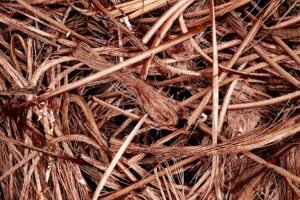
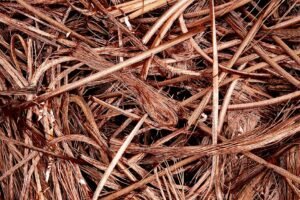
Non-Ferrous Metals: This category includes copper, aluminum, lead, zinc, and nickel. Copper, in particular, is a high-value commodity often found in electrical wiring, plumbing pipes, and roofing materials. Aluminum is another staple, found in window frames, siding, and automotive parts. Because these metals do not lose their chemical properties during the recycling process, they can be recycled infinitely, making them highly sought after by manufacturers.
The Process: How Scrap Metal Recycling Works
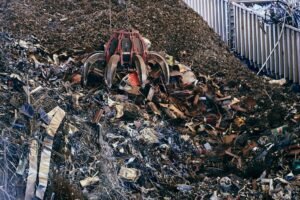
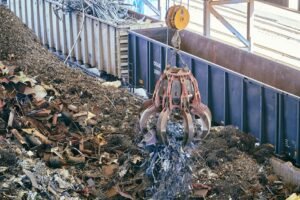
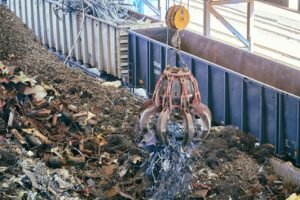
The journey from a discarded item to a new product is a complex, multi-stage process that ensures maximum recovery of materials. It begins with collection, where scrap is gathered from industrial sites, demolition projects, or household clean-ups. For those seeking professional assistance, searching for Scrap Metal Recycling Near Me is the most efficient way to locate a facility equipped with the right technology to process your haul.
Once collected, the material undergoes a rigorous sorting process. Advanced facilities use magnets, eddy currents, and X-ray fluorescence (XRF) technology to identify the exact elemental composition of the scrap. This ensures that contaminants—such as plastics, rubber, or other alloys—are removed, which is vital for maintaining the quality of the final product.
After sorting, the metal is shredded into smaller pieces. Shredding increases the surface-area-to-volume ratio, making it easier to melt down in furnaces. The molten metal is then purified and cast into ingots, billets, or rods, which are then sold back to manufacturers to create everything from new cars to soda cans. This entire cycle is supported by digital platforms like the leading scrap trading hub and the premier Australian scrap trading portal, which connect suppliers with end-users.
Environmental Benefits and Sustainability
The environmental impact of recycling scrap metal is profound. Mining for virgin ore is an energy-intensive and ecologically destructive process that involves stripping topsoil, contaminating water sources, and consuming vast amounts of electricity. In contrast, recycling scrap metal uses significantly less energy.
For example, recycling aluminum saves approximately 95% of the energy required to produce the same amount of metal from bauxite ore. Similarly, recycling steel reduces energy consumption by about 60% and lowers CO2 emissions by nearly 80%. By choosing to recycle, you are directly contributing to the reduction of greenhouse gases and the preservation of natural landscapes. Furthermore, keeping metal out of landfills prevents heavy metals from leaching into the soil and groundwater, protecting local ecosystems in Londonderry and beyond.
Maximizing Your Returns: Practical Tips
If you are looking to get the best value for your scrap, preparation is key. Here are several expert tips to ensure you are getting paid fairly:
- Sort your materials: Never mix ferrous and non-ferrous metals. Separating your copper, brass, and aluminum from your steel will significantly increase the total payout.
- Clean your scrap: Remove non-metal attachments such as plastic housings, rubber seals, or wooden handles. The cleaner the metal, the higher the grade and the better the price.
- Strip wires: While copper wire is valuable, clean, bright, and shiny copper wire is worth much more than insulated wire. Using a wire stripper can be a worthwhile investment if you have a significant volume.
- Keep it organized: Use separate bins or containers for different types of metals. This makes the weighing process at the yard faster and more accurate.
- Monitor the market: Metal prices fluctuate based on global demand, currency exchange rates, and industrial activity. Keep an eye on market trends to time your sales when prices are peaking.
The Future of Metal Recycling in Australia
The Australian scrap metal industry is currently undergoing a digital transformation. With the rise of IoT (Internet of Things) and blockchain technology, the transparency of the supply chain is improving. We are seeing a shift toward more traceable recycling, where the origin and processing history of metal can be verified. This is particularly important for industries that require high-purity recycled metals to meet strict environmental and quality standards.
Furthermore, local government initiatives are encouraging more sustainable waste management practices. As communities like Londonderry grow, the demand for efficient recycling infrastructure will only increase. By integrating technology with traditional recycling methods, the industry is becoming more efficient, safer, and more profitable for everyone involved.
Safety and Compliance in Scrap Handling
Safety is paramount when handling scrap metal. Whether you are dealing with heavy steel beams or small electrical components, the risks of injury—such as cuts, crushing, or exposure to hazardous materials—are real. Always wear appropriate personal protective equipment (PPE), including heavy-duty gloves, steel-toed boots, and eye protection.
Compliance is equally important. Many scrap yards have strict policies regarding what they can and cannot accept. For instance, sealed containers, tanks that previously held chemicals, or radioactive materials are strictly prohibited. Always check with your local facility before transporting materials to ensure you are following both safety and legal regulations. This is not just about avoiding fines; it is about ensuring the safety of the workers who will handle your scrap.
Building a Sustainable Circular Economy
The ultimate goal of the scrap metal industry is to create a true circular economy where nothing goes to waste. Every tonne of metal that is recycled is a tonne that does not need to be mined. This is the cornerstone of sustainable development. By participating in the recycling ecosystem, you are not just clearing your yard; you are helping to build a more resilient and sustainable future for Australia.
As we look toward 2026 and beyond, the integration of digital tools will continue to bridge the gap between small-scale collectors and large-scale industrial recyclers. If you are serious about your impact, take the time to learn about the specific requirements of your local recyclers. Whether you are dealing with industrial quantities or household scrap, your contribution matters. Through consistent effort, proper sorting, and engagement with professional platforms, we can ensure that metal resources are preserved for generations to come.
In conclusion, the scrap metal Londonderry sector is a vital component of the local and national economy. By understanding the grades of metal, the mechanics of the recycling process, and the environmental benefits of your actions, you can turn a waste-management necessity into a proactive environmental contribution. Remember to keep your materials clean, stay informed about market fluctuations, and utilize professional services to ensure your scrap is processed ethically and efficiently. The future of our environment depends on the choices we make today, and recycling is one of the most effective ways to make a tangible difference.
Frequently Asked Questions
What is the difference between ferrous and non-ferrous scrap metal?
Ferrous metals contain iron and are magnetic, such as steel and iron, whereas non-ferrous metals do not contain iron and are typically non-magnetic, such as copper, aluminum, and brass.
How can I get the best price for my scrap metal?
You can maximize your returns by sorting your metals by type, removing any non-metal attachments like plastic or rubber, and monitoring current market prices before heading to the yard.
Why is recycling scrap metal better for the environment?
Recycling scrap metal significantly reduces the need for energy-intensive mining of virgin ore, lowers greenhouse gas emissions, and prevents hazardous materials from contaminating landfills.
Are there items that scrap yards will not accept?
Yes, most scrap yards will not accept sealed containers, radioactive materials, hazardous waste, or items containing asbestos due to safety and environmental regulations.