
When searching for professional scrap metal Maddington solutions, it is essential to understand the local market dynamics that influence how you manage, transport, and sell your recyclable materials. Whether you are a trade contractor clearing a site or a homeowner cleaning out a shed, the process of metal recycling in Western Australia has become increasingly streamlined and lucrative. By partnering with a reputable scrap metal trading platform, you ensure that your materials are handled according to the highest environmental standards while receiving fair market compensation.
Understanding Metal Grades: Ferrous vs. Non-Ferrous
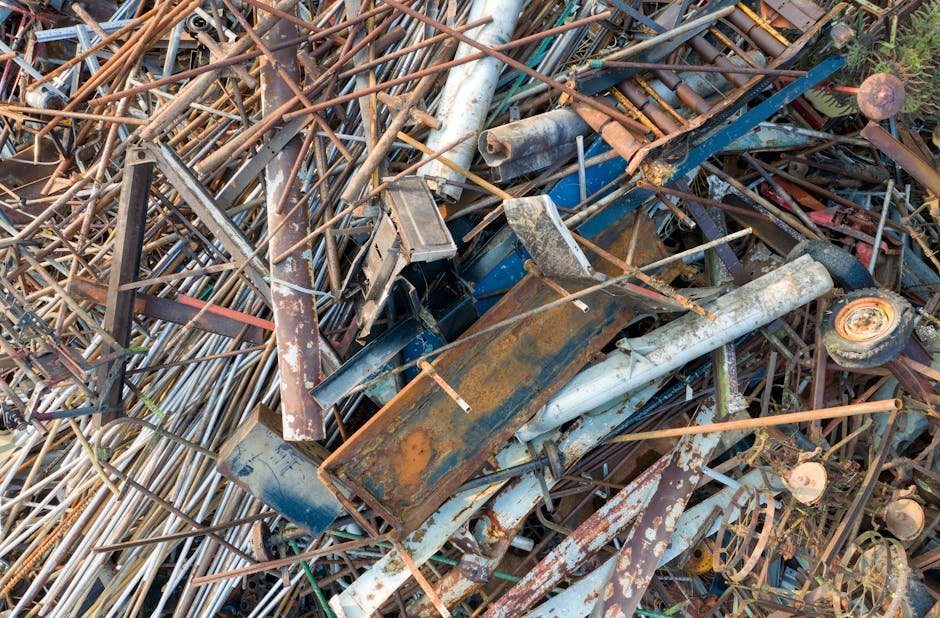
To succeed in the scrap industry, you must first distinguish between the two primary categories of metal: ferrous and non-ferrous. Ferrous metals, which contain iron, are magnetic and generally heavier. Common examples include steel, iron, and cast iron. Because these materials are abundant, they are typically priced lower per kilogram than non-ferrous metals. However, their sheer volume makes them a staple for construction and demolition projects.
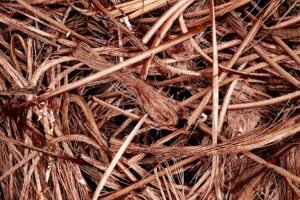
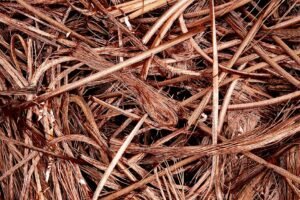
Non-ferrous metals, by contrast, do not contain iron and are highly valued for their resistance to corrosion and their infinite recyclability. This category includes copper, aluminium, brass, lead, and stainless steel. Copper, in particular, is a high-demand commodity due to its conductivity in electrical wiring and plumbing. When you look to Sell Scrap Metal Near Me In 2026, separating your non-ferrous metals from your ferrous pile is the single most effective way to increase your profit margin. Even small amounts of contamination—such as a steel screw left in a copper pipe—can downgrade the entire batch to a lower price tier.
Professional facilities in Maddington utilize advanced sorting equipment to verify these grades. They often use X-ray fluorescence (XRF) analyzers to determine the exact chemical composition of an alloy, ensuring you are paid accurately for the specific grade of material you are bringing in. Understanding these grades is the first step in mastering the national scrap metal trading network.
The Scrap Metal Recycling Process Explained
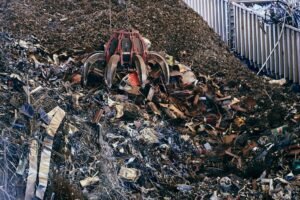
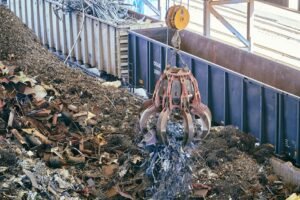
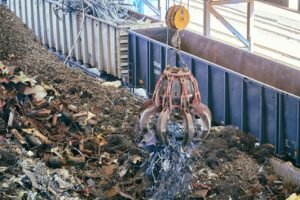
The recycling process is a sophisticated industrial operation designed to divert thousands of tonnes of waste from landfills annually. Once you drop off your materials at a Scrap Metal Recycling Near Me facility, the material undergoes a rigorous transformation. The first stage is inspection and weighing. Using certified weighbridges, the facility determines the mass of the load. From there, the material is sorted by hand or by automated systems, including magnetic separators for ferrous metals and eddy current separators for non-ferrous metals.
After sorting, the metals are processed through shredders or hydraulic shears. Shredding breaks the metal into small, manageable pieces, which allows for easier separation of contaminants like plastic, rubber, or glass. Once shredded, the material is cleaned and densified. For high-volume metals, this means baling them into compact cubes that are easy to transport to smelters. Smelting is the final stage, where the metal is melted down in a furnace and cast into ingots or billets. These ingots are then sold back to manufacturers to create new products, effectively closing the loop on the circular economy.
It is worth noting that the efficiency of this process depends heavily on the initial preparation by the seller. If you are looking for specific regional services, you might compare these processes with those found at scrap metal windsor or the specialized operations at norman scrap metal. By understanding how the recycling chain works, you can better prepare your scrap for processing, which speeds up your transaction time and ensures the highest possible recovery rate.
Maximizing Your Returns: Market Trends and Pricing
Pricing in the scrap industry is notoriously volatile, influenced by global supply chains, manufacturing demand in Asia, and local economic conditions in Australia. To stay informed, you should regularly monitor Scrap Metal Prices. These prices fluctuate based on the London Metal Exchange (LME) and local currency strength. When the Australian dollar is strong, the export value of scrap metal often shifts, impacting what local yards can pay.
To maximize your returns, timing is everything. If you have a large stockpile of non-ferrous scrap, it may be worth holding onto it if you anticipate a market upswing. However, for high-volume ferrous scrap, the strategy is often to move it quickly to clear space and maintain cash flow. Always ensure your metals are clean. Removing paint, insulation from copper wires, or excessive rust can significantly improve the grade assigned to your scrap. Many yards will pay a premium for “clean” copper or “bright and shiny” wire compared to “burnt” or “insulated” wire.
Furthermore, building a relationship with a local Maddington yard can provide you with better insights into local price trends. Ask your local buyer about their preferred sorting methods. Some yards may offer better rates for bulk deliveries or for clients who consistently provide high-quality, pre-sorted materials. This professional approach turns a simple waste disposal task into a reliable income stream.
Environmental Benefits of Metal Recycling
The environmental impact of recycling scrap metal is profound. Mining virgin ore is an energy-intensive process that involves habitat destruction, water pollution, and massive carbon emissions. By choosing to recycle, you are directly reducing the need for new mining operations. For instance, recycling aluminium saves approximately 95% of the energy required to produce the same amount of aluminium from bauxite ore. This energy saving translates into a massive reduction in greenhouse gas emissions.
Beyond energy, metal recycling conserves natural resources. Metals are unique because they can be recycled indefinitely without losing their physical properties. A copper pipe recycled today could be part of a new electrical grid tomorrow. By participating in the scrap metal Maddington ecosystem, you are actively contributing to a circular economy. This reduces the burden on landfills, which are often ill-equipped to handle hazardous heavy metals that can leach into the soil and groundwater over time.
Local businesses in Maddington that prioritize recycling also enhance their corporate social responsibility profile. By documenting their waste diversion efforts, companies can meet ESG (Environmental, Social, and Governance) targets, which are increasingly important for government tenders and commercial contracts. Recycling is not just a financial decision; it is a commitment to the long-term sustainability of the Western Australian landscape.
Safety and Compliance in Scrap Handling
Handling scrap metal carries inherent risks, and safety must always be the priority. Sharp edges, heavy loads, and hazardous materials require proper protective equipment. When gathering scrap, always wear thick gloves, steel-capped boots, and appropriate eye protection. If you are dismantling equipment, ensure that all power sources are disconnected and that any hydraulic fluids or coolants have been safely drained and disposed of according to local environmental regulations.
Compliance is also a critical factor. In Western Australia, scrap metal yards are subject to strict regulations regarding the acceptance of materials to prevent the trade of stolen goods. Expect to provide valid government-issued identification when selling scrap. This is a standard industry practice designed to protect the community and ensure transparency. By being prepared with the necessary documentation, you facilitate a smooth transaction and demonstrate your commitment to professional standards.
Additionally, be mindful of what you cannot recycle. Items like sealed gas cylinders, radioactive materials, or containers with unknown chemical residues are generally not accepted at standard yards. If you are unsure about a specific item, always contact the facility beforehand. A quick phone call can save you a wasted trip and ensure that you are disposing of potentially hazardous materials through the correct channels.
Future Trends: Technology and the Circular Economy
The future of scrap metal recycling is becoming increasingly digital and automated. We are seeing the rise of smart yards that utilize AI-driven cameras to identify and grade scrap in real-time. These technologies reduce human error and speed up the payment process. Furthermore, the integration of blockchain technology is being explored to track the provenance of metals, ensuring that recycled materials are ethically sourced and processed.
As Australia moves toward a net-zero future, the importance of scrap metal will only grow. The transition to renewable energy requires massive amounts of copper, steel, and aluminium for wind turbines, solar panels, and electric vehicle infrastructure. The scrap metal industry is the backbone of this transition. By participating in this sector, you are supporting the infrastructure required for a greener future. Whether you are a small-scale recycler or a large industrial partner, your contribution to the scrap metal Maddington market is a vital link in a global chain of resource efficiency.
In conclusion, the scrap metal industry is a sophisticated, essential component of the modern economy. By focusing on proper sorting, staying updated on market prices, and adhering to safety and legal requirements, you can maximize your financial returns while supporting critical environmental goals. Use the resources available through professional trading platforms to stay ahead of the curve and ensure your recycling efforts are as effective and profitable as possible.
Frequently Asked Questions
What is the most valuable scrap metal to collect?
Copper is generally the most valuable common scrap metal due to its high demand in electrical and plumbing industries. Other high-value metals include brass, stainless steel, and aluminium, though prices vary depending on market conditions and purity.
Do I need identification to sell scrap metal in Maddington?
Yes, under Western Australian regulations, you are required to provide valid government-issued identification when selling scrap metal. This measure helps prevent the trade of stolen property and ensures compliance with industry standards.
How can I get the best price for my scrap metal?
To get the best price, ensure your metal is clean, free of contaminants like plastic or rubber, and sorted by grade. Checking current market rates before you visit a yard and building a relationship with a reliable buyer can also help you secure better returns.
Are there items that scrap yards will not accept?
Most scrap yards will not accept hazardous materials, such as sealed gas cylinders, radioactive items, or containers with unknown toxic residues. Always call ahead if you are unsure about a specific item to ensure it can be safely and legally processed.