
When searching for reliable scrap metal Moorebank services, it is essential to understand that the industry is built on precision, market knowledge, and environmental stewardship. Moorebank, situated in the industrial heart of South Western Sydney, serves as a critical hub for metal logistics. Whether you are a trade contractor, a demolition firm, or an individual looking to clear out a workshop, understanding the lifecycle of your metal is the first step toward responsible disposal and financial gain.
The Fundamentals of Scrap Metal Grading
To maximize the value of your materials, you must understand how facilities categorize different types of metal. Metal is generally divided into two primary categories: ferrous and non-ferrous. Ferrous metals contain iron and are magnetic, while non-ferrous metals—such as copper, aluminum, and brass—do not contain iron and are generally more valuable due to their scarcity and infinite recyclability.
Common Ferrous Grades:
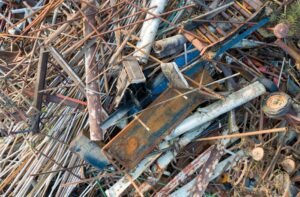
- Heavy Melting Steel (HMS): Often sourced from structural steel, beams, and heavy industrial machinery. It is the backbone of the construction industry.
- Cast Iron: Found in engine blocks, pipes, and old machinery. It is brittle and requires specific processing.
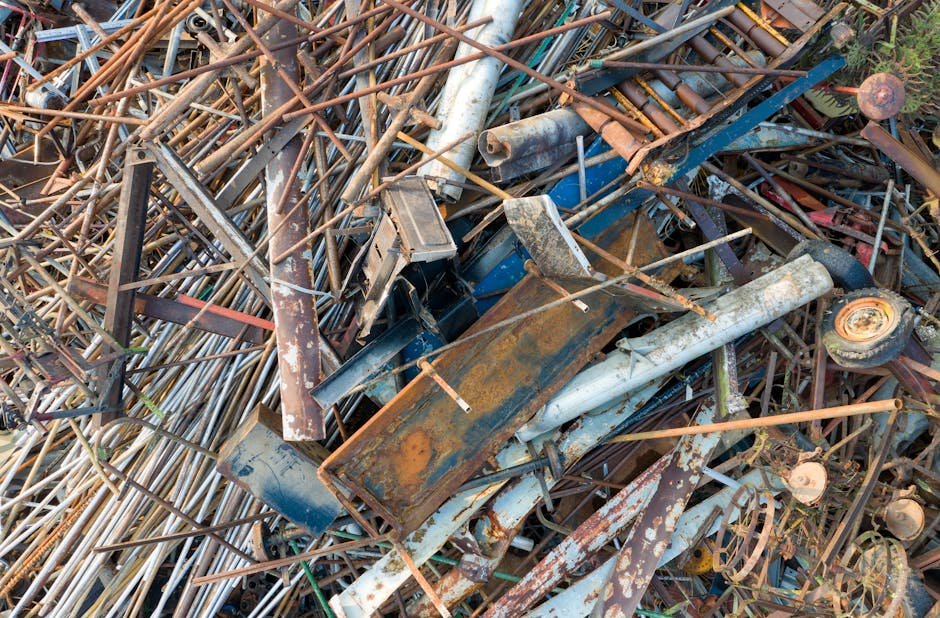
- Light Gauge Steel: Includes items like white goods, thin sheet metal, and fencing.
Common Non-Ferrous Grades:
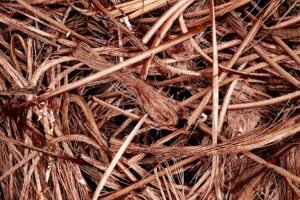
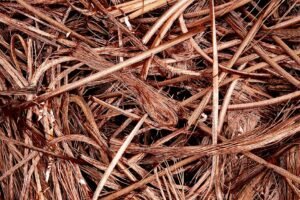
- Copper: The gold standard of scrap. Grade 1 (bright and shiny) commands the highest price, while Grade 2 (burnt or insulated) is valued slightly lower.
- Aluminum: Extruded aluminum (window frames) and cast aluminum (engine parts) are common. Always remove steel attachments to ensure a higher purity grade.
- Brass: Commonly found in plumbing fixtures, valves, and fittings. It is a high-demand alloy.
By understanding these grades, you can better prepare your loads before visiting a facility. If you are ready to trade, you can Sell Scrap Metal Near Me In 2026 to ensure you are working with the latest market standards.
How the Recycling Process Works in Moorebank
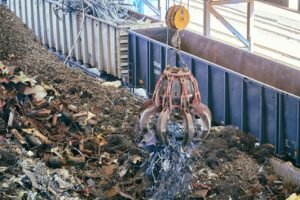
The journey from a pile of discarded metal to a new product is a sophisticated industrial process. When you bring your materials to a professional site, the following steps occur: First, the material is weighed on certified scales to determine the base value. Second, it is sorted using advanced technology, including X-ray fluorescence (XRF) analyzers that determine the exact chemical composition of the alloy. This technology ensures that high-value metals are not contaminated by lower-grade impurities.
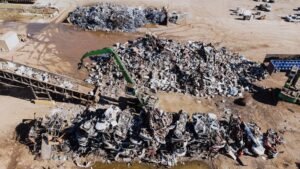
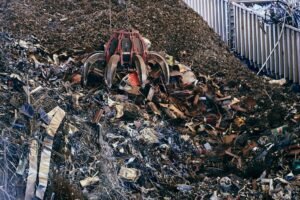
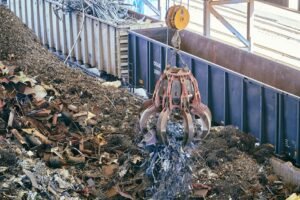
Once sorted, the metal is processed. This may involve shearing, shredding, or baling. Shredding is particularly effective for large volumes of mixed scrap, as it breaks items down into smaller, uniform pieces, making it easier to separate magnetic metals from non-magnetic ones using powerful magnets and eddy current separators. After processing, the metal is melted in furnaces to create ingots or billets, which are then sold back to manufacturers to create everything from new car parts to structural beams for skyscrapers.
If you are looking for local assistance, searching for Scrap Metal Recycling Near Me will connect you with facilities that utilize these modern processing techniques, ensuring your waste is handled ethically and efficiently.
Environmental Benefits of Metal Recycling
The environmental case for recycling is irrefutable. Mining for virgin ore is an energy-intensive process that leaves massive scars on the landscape, destroys habitats, and consumes vast amounts of water. In contrast, recycling scrap metal uses a fraction of the energy required to produce metal from raw ores. For instance, recycling aluminum saves approximately 95% of the energy compared to producing it from bauxite ore.
Beyond energy savings, recycling reduces greenhouse gas emissions. By keeping metal out of landfills, we prevent the leaching of heavy metals into the soil and groundwater. In the context of Moorebank, which is a key logistics node, efficient local recycling reduces the carbon footprint associated with transporting heavy materials over long distances. Choosing a local provider is a proactive step toward a circular economy.
For those interested in the broader industry, the team at Scrap Trade provides extensive resources on how to optimize your recycling habits. Additionally, you can learn more about national standards at Scraptrade.com.au, which offers insights into the Australian metal market.
Understanding Market Volatility and Pricing
Pricing for scrap metal is never static. It fluctuates based on global supply and demand, the strength of the Australian dollar, and the price of commodities on the London Metal Exchange (LME). When the construction industry is booming, demand for structural steel and copper rises, driving prices up. Conversely, economic slowdowns can lead to a dip in commodity values.
To stay informed, you should regularly check Scrap Metal Prices. This allows you to time your sales to coincide with market peaks. It is also important to note that the purity of your load significantly affects the price. Clean, sorted, and contaminant-free metal will always fetch a premium over mixed, dirty scrap. If you have a large commercial volume, consider establishing a long-term relationship with a reputable yard to negotiate better rates based on consistent supply.
Logistics and Site Selection: Beyond Moorebank
While this guide focuses on the Moorebank area, the principles of professional scrap management apply across the country. Whether you are dealing with maddington scrap metal in Western Australia or managing artarmon scrap metal in Sydney’s North Shore, the key is to find a partner who values transparency, safety, and fair weight practices. A professional yard will provide you with a clear breakdown of your haul, ensuring you understand exactly what you are being paid for and why.
When selecting a yard, look for facilities that offer: 1) Certified weighbridges, 2) Competitive pricing structures, 3) Efficient site access for heavy vehicles, and 4) Proper environmental certifications. These markers indicate a business that is invested in long-term operations rather than “fly-by-night” practices.
Practical Tips for Maximizing Your Returns
Preparation is the secret to a successful scrap run. If you want to get the most out of your scrap metal Moorebank visit, follow these simple, expert-proven strategies:
- Segregate your materials: Never mix your copper with your steel. The yard will have to do the work for you, and you will likely be paid the lower “mixed scrap” rate.
- Clean your scrap: Remove plastic insulation from copper wires, take the steel bolts out of aluminum castings, and ensure there is no oil or hazardous waste inside containers.
- Know the weight: If you are a business, keep a record of the tonnage you are sending out. This helps in auditing your waste management efficiency.
- Safety first: Wear appropriate PPE, including gloves and steel-capped boots, when handling scrap. Metal edges are sharp and can cause severe injuries.
- Call ahead: For large commercial loads, call the yard in advance. They may be able to provide a bin service or schedule your drop-off to avoid peak times.
By treating your scrap metal as a valuable commodity rather than just “trash,” you transform a disposal cost into a revenue stream. This mindset shift is what separates successful trade businesses from those that lose money on waste disposal.
The Future of Metal Recycling in Australia
The future of the industry is moving toward greater automation and traceability. As regulatory pressure increases regarding carbon emissions, companies are being forced to account for their waste streams more carefully. This is driving innovation in the sector, with more yards investing in advanced separation technology and better logistics management.
Moorebank is perfectly positioned to benefit from these advancements. With its proximity to major rail and road infrastructure, the region is becoming a focal point for sustainable industrial practices. As we move closer to 2026 and beyond, we expect to see a more integrated approach where scrap metal is not just recycled, but tracked through a digital ledger, ensuring that every kilogram of metal is accounted for and returned to the manufacturing cycle.
This evolution is not just about profit; it is about survival. As global resources become scarcer, the ability to reclaim and reuse existing metal will become a critical strategic advantage for the Australian economy. By participating in this system, you are contributing to a more resilient and sustainable future.
Conclusion: Taking Action Today
Recycling is more than just a chore; it is a vital component of the modern economy. Whether you are a local contractor in Moorebank or a large-scale industrial operator, your choices regarding scrap management have a direct impact on the environment and your bottom line. By sorting your materials, staying informed about market trends, and partnering with reputable, professional facilities, you ensure that your metal is handled with the expertise it deserves.
Remember that every piece of copper, aluminum, or steel you recycle saves energy and reduces the need for destructive mining. Start by auditing your current waste stream, separating your metals, and reaching out to a professional recycler to discuss your options. The path to a cleaner, more profitable business starts with how you handle your scrap today.
Frequently Asked Questions
What is the most valuable scrap metal to recycle?
Copper is generally the most valuable scrap metal due to its high demand in electrical and plumbing applications. Clean, bright copper wire typically commands the highest price per kilogram.
Do I need to clean my scrap metal before bringing it to a yard?
Yes, cleaning your scrap by removing non-metal attachments like plastic, rubber, or steel bolts significantly increases the value of your haul. Yards pay more for high-purity, sorted loads.
How do scrap metal prices change?
Prices are driven by global supply and demand, commodity market fluctuations on the London Metal Exchange, and the current strength of the Australian dollar. It is best to check prices regularly to time your sales.
Why is it important to use a licensed scrap metal recycler?
Licensed recyclers ensure that materials are processed in compliance with environmental regulations, preventing hazardous waste from entering the ecosystem. They also provide accurate weighing and fair, transparent payment practices.