
Scrap metal Nangana is a vital component of Australia’s circular economy, offering sustainable solutions for waste management and resource conservation. This guide explores the grades of scrap metal available in Nangana, the recycling process, environmental benefits, and practical tips for maximizing value. Whether you’re a business owner, DIY enthusiast, or homeowner, understanding these elements can help you navigate the scrap metal market effectively.
Grades of Scrap Metal in Nangana
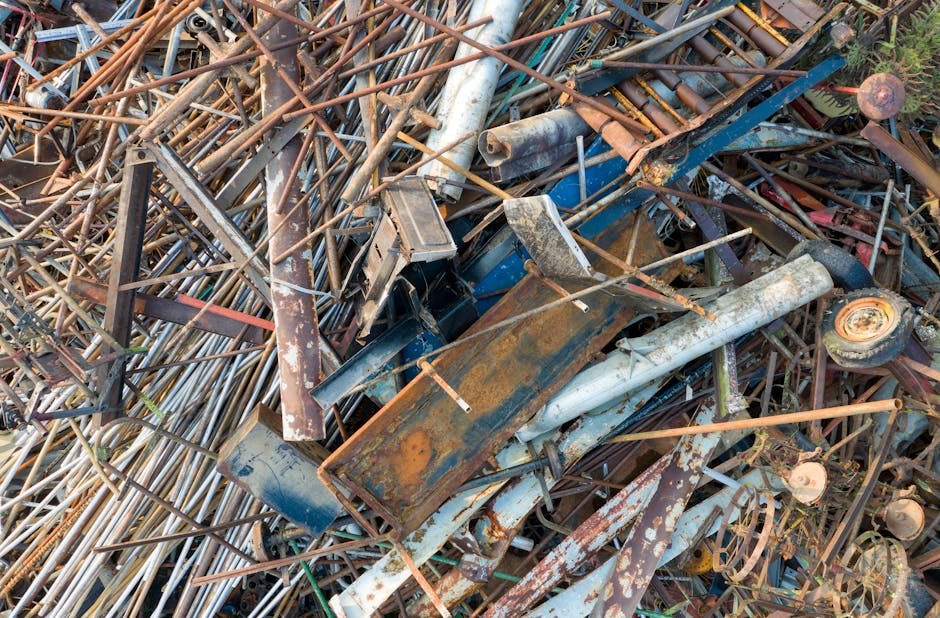
Scrap metal in Nangana is categorized into two primary grades: ferrous and non-ferrous. Each grade has distinct properties and applications.
Ferrous Scrap Metal
- Steel: Recycled from construction debris, vehicles, and appliances. It’s magnetic and contains iron, making it ideal for steel production.
- Cast Iron: Often sourced from machinery parts and plumbing fixtures. Its high carbon content makes it brittle but durable.
- Wrought Iron: Rare in modern use but valued for its malleability. Found in antique railings and decorative items.
Non-Ferrous Scrap Metal
- Aluminium: Lightweight and corrosion-resistant. Common in beverage cans, automotive parts, and construction materials.
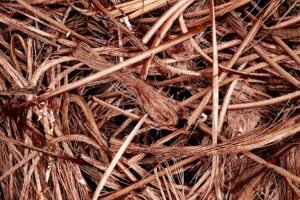
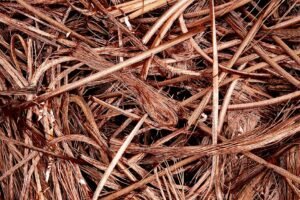
- Copper: High conductivity makes it critical for electrical wiring, plumbing, and renewable energy systems.
- Brass and Bronze: Alloys of copper and zinc/tin. Used in musical instruments, hardware, and industrial components.
For more details on regional grades, explore scrap metal Maidstone or scrap metal Dalmore.
How Scrap Metal Recycling Works in Australia
The recycling process involves several stages to ensure materials are efficiently repurposed:
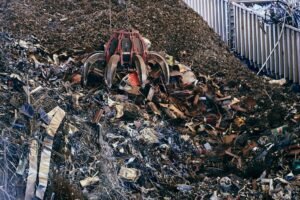
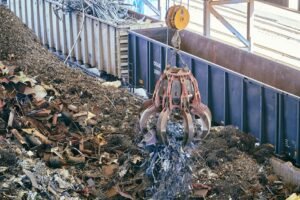
- Collection: Scrap is gathered from demolition sites, manufacturing facilities, or households.
- Sorting: Ferrous and non-ferrous metals are separated using magnets and optical scanners. Contaminants like plastics are removed.
- Shredding/Compacting: Metals are broken down into smaller pieces to maximize furnace efficiency.
- Smelting: Recycled metals are melted at high temperatures to remove impurities and form raw materials.
- Reforming: Molten metal is cast into new products, such as construction beams or consumer goods.
To find local recycling services, visit Scrap Metal Recycling Near Me.
Environmental Benefits of Scrap Metal Recycling
Recycling scrap metal in Nangana offers significant environmental advantages:
- Resource Conservation: Recycling reduces the need to mine raw materials, preserving ecosystems and biodiversity.
- Energy Savings: Producing steel from recycled scrap uses 60% less energy than from iron ore. Aluminium recycling saves 95% of the energy required for primary production.
- Landfill Reduction: Scrap metal takes up 20% of global landfill space. Recycling diverts this waste and lowers methane emissions.
- Carbon Footprint: The Australian recycling industry prevents over 10 million tonnes of CO2 emissions annually.
Learn about current market incentives at Scrap Metal Prices.
Practical Tips for Selling Scrap Metal in Nangana
Maximize your returns by following these strategies:
1. Sort and Prepare Scrap Beforehand
Separate ferrous and non-ferrous metals to increase their value. Remove contaminants like dirt, wood, or plastic, which lower purity levels. For large quantities, use a magnet for quick sorting.
2. Research Market Prices
Prices fluctuate based on global demand and supply. Check Scrap Metal Prices for live updates. Non-ferrous metals like copper and aluminium typically command higher rates.
3. Choose a Reputable Recycler
Verify the recycler’s credentials through Scrap Metal Recycling Near Me. Reputable providers offer transparent pricing, safety certifications, and eco-friendly practices.
4. Stay Informed About Regulations
Australian states have varying laws for scrap metal trading. For example, Queensland requires scrap metal dealers to hold a license for transactions over $2000. Always confirm legal requirements to avoid penalties.
Why Nangana is a Key Player in Australia’s Recycling Sector
Nangana’s strategic location and industrial infrastructure make it a hub for scrap metal trading. The region hosts major facilities like the Canberra Waste and Resource Recovery Centre, which processes over 100,000 tonnes of waste annually. Local initiatives, such as the ACT Government’s Recycling Incentive Program, further support sustainable practices.
Residents and businesses in Nangana can leverage these resources by partnering with platforms like Scrap Trade to access competitive pricing and streamlined logistics.
The Future of Scrap Metal Recycling in Australia
Advancements in technology, such as AI-powered sorting systems and electric smelting furnaces, are revolutionizing the industry. By 2026, the Australian government aims to achieve a 80% recycling rate for metals, driven by policies like the National Waste Policy Action Plan.
Individuals can contribute by staying informed and using tools like Sell Scrap Metal Near Me In 2026 to connect with certified recyclers.
Conclusion
Scrap metal Nangana plays a critical role in Australia’s transition to a sustainable economy. By understanding metal grades, mastering the recycling process, and prioritizing environmental benefits, stakeholders can contribute to a greener future. Embrace the opportunities in Nangana’s thriving market and join the global movement toward resource efficiency.
For end-to-end solutions, visit Scrap Trade to optimize your scrap metal transactions.
Frequently Asked Questions
What are the most common grades of scrap metal in Nangana?
The most common grades include ferrous metals like steel and cast iron, and non-ferrous metals like aluminium and copper. Non-ferrous metals are often higher in value due to their conductivity and corrosion resistance.
How does recycling scrap metal benefit the environment?
Recycling reduces landfill waste, conserves natural resources, and lowers greenhouse gas emissions. It also saves significant energy compared to producing metals from raw materials.
Where can I find the best scrap metal prices in Nangana?
Check live market data on Scrap Metal Prices. Prices vary by metal type and global demand, so regular monitoring is recommended.
What should I consider when choosing a scrap metal recycler?
Prioritize recyclers with safety certifications, transparent pricing, and eco-friendly practices. Use Scrap Metal Recycling Near Me to locate verified providers.