
Navigating the complex landscape of scrap metal north shore services requires a blend of industry knowledge and practical logistics. Whether you are a tradesperson, a demolition contractor, or a household owner looking to declutter, understanding how to effectively manage your metal waste is essential for both economic gain and environmental sustainability. By engaging with professional recycling infrastructure, you ensure that valuable materials are diverted from landfills and reintroduced into the global manufacturing supply chain.
Understanding the Grades of Scrap Metal
In the world of metal recycling, not all materials are created equal. The value of your scrap is determined by its grade, which dictates how the metal is processed and what it will eventually become. Generally, metals are categorized into two primary groups: ferrous and non-ferrous.
Ferrous Metals: These contain iron and are magnetic. Common examples include steel, iron, and stainless steel. While these are abundant, they are essential for infrastructure. If you are looking to Sell Scrap Metal Near Me In 2026, you will find that ferrous scrap is typically traded in bulk. Heavy melting steel (HMS) is a critical grade here, often sourced from construction beams and machinery.
Non-Ferrous Metals: These are the high-value materials. They do not contain iron and include copper, aluminium, brass, lead, and zinc. Copper, in particular, is a prized commodity due to its high conductivity and infinite recyclability. Whether you are dealing with plumbing scraps or electrical wiring, identifying these grades correctly is the first step to maximizing your payout. For those in specific regions, finding a reliable scrap metal dealer north lakes or other local hubs is vital for consistent service.
The Lifecycle: How Scrap Metal Recycling Works
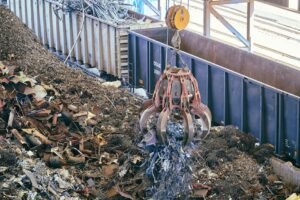
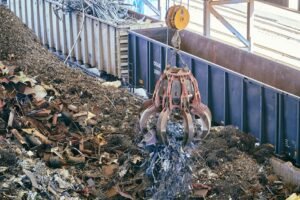
The journey from a discarded item to a raw material is a sophisticated industrial process. It begins with collection and transportation. Many residents and businesses utilize Scrap Metal Recycling Near Me services to consolidate their waste. Once collected, the material undergoes a rigorous sorting phase.
- Sorting: Advanced facilities use magnets, optical sensors, and X-ray fluorescence (XRF) technology to separate different metal alloys. This ensures high purity levels, which are required for high-grade manufacturing.
- Processing: Once sorted, the metal is shredded or sheared into smaller pieces. This increases the surface-to-volume ratio, making it easier to melt down in furnaces.
- Melting: The shredded metal is placed into large furnaces. Each metal type is melted at its specific melting point to ensure the quality of the final ingot.
- Purification: During the melting process, impurities are removed via electrolysis or chemical treatments.
- Solidification: The molten metal is cooled into bars, ingots, or pellets, which are then sold to manufacturers to create everything from new car parts to beverage cans.
For those interested in the current market dynamics, keeping an eye on Scrap Metal Prices is crucial, as they fluctuate based on global demand and supply chain constraints.
Environmental Benefits of Recycling
The environmental impact of recycling cannot be overstated. Extracting virgin ore through mining is an energy-intensive process that destroys habitats and produces significant greenhouse gas emissions. By recycling scrap metal north shore materials, we drastically reduce the carbon footprint of the manufacturing sector.
For instance, recycling aluminium saves roughly 95% of the energy required to produce the same amount of aluminium from raw bauxite ore. Similarly, copper recycling requires 85% less energy than primary production. Furthermore, recycling helps in the conservation of natural resources, ensuring that finite minerals remain in the ground for future generations. When you choose to recycle, you are actively participating in a circular economy that prioritizes sustainability over the “take-make-dispose” model. For more insights on sustainable practices, visit the leading Australian scrap metal platform.
Strategic Tips for Maximizing Scrap Value
If you want to get the best return, preparation is key. First, separate your metals. Mixing copper with steel will result in a lower “mixed scrap” price. Clean your materials—remove plastic coatings from wires, take off non-metal attachments, and ensure your scrap is free of contaminants like oil or dirt.
Second, store your scrap properly. Keep it dry and protected from the elements to prevent oxidation, which can degrade the quality of certain metals. Third, build a relationship with a reputable yard. If you are in the region, checking in with norms scrap metal or your local facility can provide you with better insights into local market trends and specific requirements for bulk drop-offs. Always check the current market rates on our scrap metal trading platform before heading out.
The Role of Technology in Modern Recycling
Modern scrap metal north shore operations are unrecognizable compared to the scrap yards of the past. Today’s facilities are high-tech hubs. Artificial Intelligence (AI) and robotics are increasingly used to sort through mixed waste streams with extreme precision. This reduces human error and increases the yield of high-purity metals. Furthermore, digital platforms have revolutionized how we track and trade scrap, providing real-time data on pricing and logistics. By leveraging these digital tools, both small-scale sellers and industrial clients can optimize their recycling efforts and ensure they are receiving fair market value for their materials.
Safety and Compliance in Scrap Handling
Handling scrap metal involves inherent risks. Sharp edges, heavy machinery, and hazardous materials (such as lead-acid batteries or pressurized canisters) require strict adherence to safety protocols. Always wear appropriate personal protective equipment (PPE), including gloves and steel-toed boots. Furthermore, ensure that you are complying with local environmental regulations regarding the disposal of hazardous materials. Many scrap yards have specific drop-off procedures for items that require special handling to prevent chemical leaks or environmental contamination. Never attempt to dismantle items that contain hazardous substances without proper training and equipment.
Future Trends: The Circular Economy
As Australia moves toward a more circular economy, the scrap metal industry is set to play a pivotal role. Government initiatives aimed at reducing landfill waste and increasing resource recovery are driving innovation. We are seeing a shift toward decentralized processing, where smaller, more efficient mobile shredding units are being deployed to capture scrap closer to its source. This reduces transport-related emissions and makes recycling more accessible to regional and suburban areas. Staying informed about these shifts will help you stay ahead of the curve and contribute to a greener future.
Conclusion: Your Role in the Recycling Loop
Recycling is a collective effort. Whether you are a business owner managing industrial waste or an individual clearing out a garage, your contribution matters. By understanding the grades, following best practices for preparation, and partnering with reputable recyclers, you are helping to build a more sustainable economy. The infrastructure for effective metal recovery is already in place; all that is required is the commitment to participate. Start by evaluating your current scrap inventory and identifying the best local channels for disposal. Your actions today contribute to a cleaner, more efficient tomorrow.
Frequently Asked Questions
What is the most valuable scrap metal to collect?
Copper is generally the most valuable common scrap metal due to its high demand in electrical and plumbing industries. Other high-value metals include brass, stainless steel, and aluminium.
Do I need to clean my scrap metal before bringing it to a yard?
Yes, cleaning your scrap by removing plastic, rubber, and other non-metal contaminants will significantly increase its value. Clean, sorted scrap is easier to process and fetches a higher price.
How do scrap metal prices change?
Prices are driven by global supply and demand, the cost of raw materials, and manufacturing activity. You can monitor market trends to time your sales for maximum profit.
Is it safe to recycle old appliances?
Most appliances can be recycled, but some contain hazardous materials like refrigerants or lead. It is best to consult with your local scrap yard to ensure safe handling and disposal.