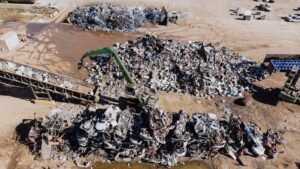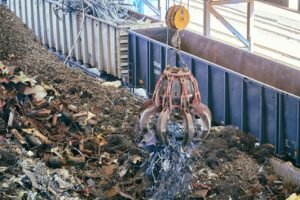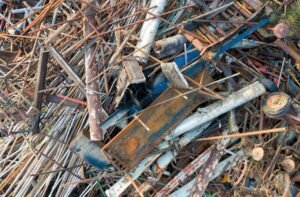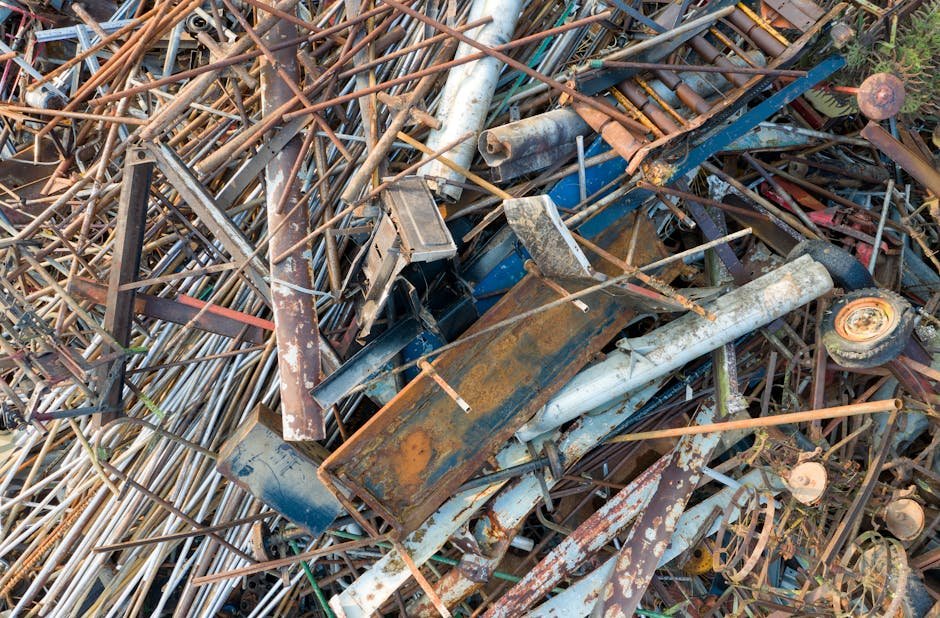

Navigating the landscape of scrap metal Penrith recycling requires an understanding of how local industrial and residential waste streams contribute to the broader circular economy. Whether you are a tradesperson clearing a worksite or a homeowner with surplus copper wiring, identifying the correct grade and value of your materials is the first step in the scrap metal trade. By participating in professional recycling programs, you are not just clearing space—you are fueling a sustainable manufacturing sector that relies on recycled inputs to produce new goods.
Understanding Metal Grades: Ferrous vs. Non-Ferrous
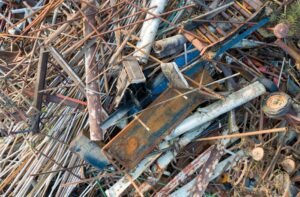
To maximize your return when you Sell Scrap Metal Near Me In 2026, you must first distinguish between the two primary categories of metal: ferrous and non-ferrous. Ferrous metals contain iron and are magnetic. Common examples include mild steel, carbon steel, and cast iron. Because these materials are abundant, they are usually traded in higher volumes but at lower price points per kilogram compared to non-ferrous metals. If you are looking for specific norms scrap metal penrith, you will find that local yards prioritize the separation of these grades to ensure purity for smelting.
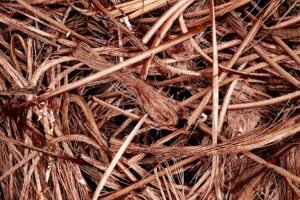
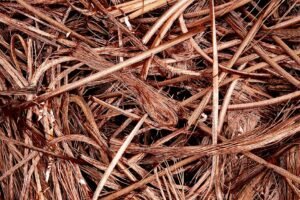
Non-ferrous metals, which include copper, aluminium, brass, lead, and stainless steel, do not contain iron and are non-magnetic. These metals are highly prized for their resistance to corrosion and their ability to be recycled indefinitely without losing their chemical properties. Copper, for instance, is the “gold standard” of the recycling industry. Whether it is bright and shiny copper wire or heavy copper tubing, the value is determined by the purity of the metal and the current market demand. Understanding these distinctions is crucial when checking Scrap Metal Prices, as even a small amount of contamination can downgrade your entire load.
The Process: How Recycling Works in Western Sydney
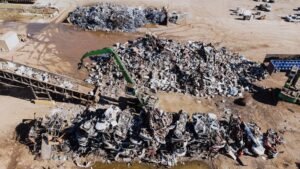
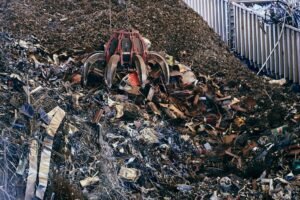
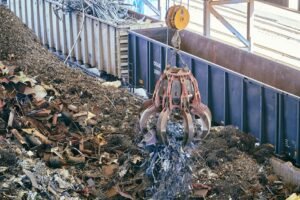
The journey from a discarded item to a raw material is a sophisticated process. It starts with collection, where scrap is gathered from demolition sites, manufacturing plants, and residential drop-offs. Once the material reaches a facility, the sorting process begins. Advanced technology, including magnetic separators, eddy current separators (to eject non-ferrous metals), and X-ray fluorescence (XRF) analyzers, is used to ensure precise metal identification. This high-tech approach is what defines modern Scrap Metal Recycling Near Me services.
After sorting, the metal is shredded or sheared to reduce its volume and increase its surface area, which makes the subsequent melting process much more efficient. The shredded material is then cleaned to remove impurities like plastic, glass, or rubber. Finally, the processed metal is melted in furnaces and cast into ingots or billets. These standardized forms are then sold to manufacturers to create everything from new car parts to home appliances. By utilizing a professional scrap metal platform, you ensure that your materials are processed through these certified channels, maximizing recovery rates.
The Environmental Benefits of Scrap Metal Recycling
The environmental impact of recycling is profound. Mining for virgin ore is an energy-intensive and ecologically destructive process that involves massive land displacement, water contamination, and significant carbon emissions. In contrast, using recycled aluminium requires roughly 95% less energy than producing it from bauxite ore. For steel, the energy savings are approximately 75%. By choosing to recycle, you are directly contributing to a reduction in the carbon footprint of the Australian manufacturing sector.
Furthermore, recycling keeps hazardous materials out of landfills. Metals like lead and cadmium can leach into the groundwater if left in general waste. By bringing your scrap to a specialized facility, you ensure these materials are handled according to strict environmental regulations. This is why the national scrap trade network emphasizes the importance of responsible disposal. Recycling is the cornerstone of a circular economy, where the end of one product’s life becomes the beginning of another’s, effectively closing the loop on resource consumption.
Maximizing Your Returns: Tips for Penrith Sellers
To get the best value for your scrap, preparation is key. First, ensure your metals are clean. If you have copper wire, removing the plastic insulation can significantly increase the price per kilogram. While it takes time, the difference between “insulated copper” and “bright and shiny” is substantial in the current market. Second, sort your metals by type. Do not mix your brass with your aluminium, as doing so will result in the entire batch being valued at the price of the lowest-grade metal in the pile.
Third, keep an eye on market trends. The global commodities market dictates the value of your scrap, so timing your sale during a period of high demand can result in a better payout. Finally, choose a reputable yard. A transparent recycler will weigh your materials in front of you and provide a clear breakdown of the grades and prices applied. Whether you are a commercial contractor or a local resident, being informed about the current market conditions will empower you to make better financial decisions regarding your scrap.
The Future of Metal Recycling in Australia
The industry is currently undergoing a digital transformation. With the rise of blockchain and real-time tracking, the traceability of recycled materials is becoming more transparent. This is vital for manufacturers who need to prove the recycled content of their products to meet sustainability targets. As we move toward 2026, we expect to see more automated collection points and advanced sorting technologies that will make recycling even more accessible to the general public. Penrith, being a hub for industrial and residential growth, is perfectly positioned to lead this shift.
Furthermore, the integration of AI-driven sorting systems will allow for the recovery of rare earth metals from electronic waste, which is currently one of the fastest-growing waste streams. This evolution in the scrap metal trade is not just about profit; it is about securing a sustainable supply chain for the future. By engaging with local recycling infrastructure today, you are supporting a future where raw material extraction is minimized, and resource efficiency is the standard.
Safety and Compliance in Scrap Handling
Safety is paramount when handling scrap metal. Many items, such as old water heaters, gas cylinders, or automotive parts, may contain residual gases, liquids, or pressure that pose a risk of explosion or chemical exposure. Always ensure that any container is empty and safe to handle before transporting it. If you are dealing with large-scale industrial scrap, ensure you have the proper lifting equipment and personal protective equipment (PPE), including gloves and safety boots.
Compliance with local council regulations is also essential. Penrith City Council has specific guidelines regarding the disposal of hazardous waste. While most scrap metal is safe, items containing asbestos or other toxic substances must be handled by licensed professionals. By adhering to these safety and compliance standards, you protect yourself, the environment, and the workers at the recycling facility. Always check with your local yard if you are unsure about the safety of a particular item before bringing it in for processing.
Why Choose Local Recycling Services?
Choosing a local service provider in Penrith offers several advantages. First, it reduces the carbon emissions associated with transporting heavy materials over long distances. Second, it supports the local economy by keeping jobs and investment within the community. Third, local recyclers are often more accessible and can provide personalized advice on how to best manage your specific scrap metal needs. Whether you are a small business owner or a DIY enthusiast, building a relationship with a local yard can lead to better service and more consistent pricing.
When you support local, you also benefit from the expertise of professionals who understand the specific industrial landscape of Western Sydney. They are familiar with the types of scrap generated by local construction and manufacturing sectors and can tailor their services to meet your requirements. Whether it is providing skip bins for a large project or offering quick drop-off services for smaller loads, local recyclers are the backbone of the region’s waste management strategy.
Conclusion: Taking Action Today
Recycling scrap metal is one of the most effective ways to contribute to a sustainable future. It saves energy, conserves natural resources, and provides a financial incentive for responsible waste management. By understanding the different grades of metal, the recycling process, and the importance of proper preparation, you can turn your unwanted materials into valuable assets. Whether you are looking to clear out a garage, manage a construction site, or simply do your part for the planet, the scrap metal industry in Penrith is ready to assist. Start by identifying your materials, sorting them correctly, and connecting with a trusted recycler to ensure your contribution makes a lasting impact.
Frequently Asked Questions
What is the most valuable scrap metal to recycle?
Copper is generally the most valuable scrap metal due to its high demand in electrical and plumbing industries. Other high-value metals include brass, stainless steel, and aluminium.
Do I need to clean my scrap metal before bringing it to a yard?
Yes, cleaning your scrap metal by removing non-metal attachments like plastic, rubber, or wood significantly increases its value. Clean, sorted metal is easier for recyclers to process and fetches a higher price.
How can I find the current price for my scrap metal?
You can check online resources and industry platforms to track current commodity market trends. Prices fluctuate daily based on global supply and demand, so it is best to check just before you plan to sell.
Is it safe to recycle old appliances?
Most appliances are safe to recycle, but you must ensure they are free of hazardous materials like refrigerants or oils. Always check with your local recycling facility for specific instructions on handling large appliances.