
For residents and industrial operators in Sydney’s Northern Suburbs, understanding the nuances of scrap metal recycling Ryde is essential for both economic gain and environmental stewardship. Whether you are a construction contractor, a local business owner, or a household looking to clear out unwanted metal assets, navigating the local market requires knowledge of global commodity prices, metal classification, and the logistics of sustainable disposal.
The Fundamentals of Scrap Metal Recycling Ryde
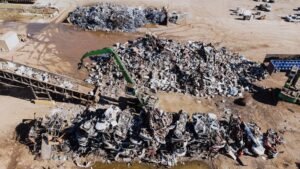
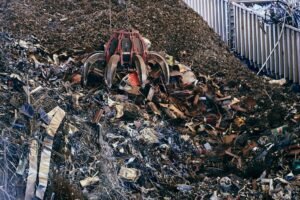
The process of scrap metal recycling Ryde is a sophisticated industrial operation that transforms waste into a high-value commodity. Unlike traditional waste management, which focuses on landfill diversion, scrap metal recycling is a circular economy engine. When you bring your materials to a certified facility, the metal is weighed, inspected for contamination, and sorted by grade. This stage is critical because the purity of the metal dictates its future application in manufacturing, construction, and technology sectors.
In the Ryde area, the demand for high-quality scrap is driven by the need for sustainable industrial inputs. By participating in professional recycling programs, you are not just clearing space; you are feeding the supply chain for Australian steel mills and international exporters. If you are looking for local services, you can find a Scrap Metal Recycling Near Me to streamline your logistics. It is important to distinguish between simple collection and professional processing. For those interested in the industry’s structure, understanding the difference between a Scrap Trading Vs Recycling Business can help you decide how to best engage with the market.
Understanding Metal Grades and Classifications
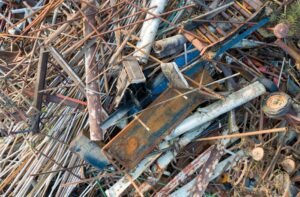
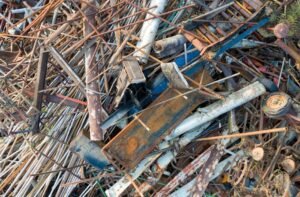
Not all scrap is created equal. To maximize your returns, you must be able to categorize your materials correctly. Metals are broadly divided into two categories: Ferrous and Non-Ferrous.
- Ferrous Metals: These contain iron and are magnetic. Examples include steel, cast iron, and wrought iron. While these are abundant, their value is lower per kilogram compared to non-ferrous metals.
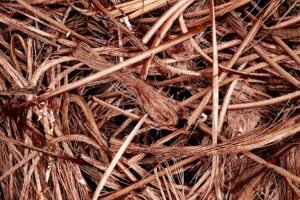
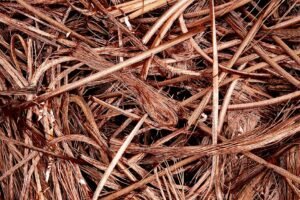
- Non-Ferrous Metals: These are highly valuable, non-magnetic metals such as copper, aluminium, brass, lead, and stainless steel. These materials retain their properties indefinitely through the recycling process, making them infinitely recyclable.
For those preparing to Sell Scrap Metal Near Me In 2026, keeping these materials separated is the most effective way to increase your profit margins. Contamination—such as plastic, rubber, or dirt attached to the metal—can significantly downgrade the value of your load. Industrial professionals often use advanced testing, such as X-ray fluorescence (XRF) analyzers, to verify the exact chemical composition of alloys before processing.
The Environmental and Economic Impact
The environmental case for scrap metal recycling Ryde is compelling. Mining virgin ore is an energy-intensive process that causes significant habitat destruction, water pollution, and carbon emissions. By recycling aluminium, for example, we use approximately 95% less energy than producing it from bauxite ore. Similarly, steel recycling reduces water consumption by 40% and air pollution by 86% compared to primary production.
Beyond the environmental benefits, the economic impact is substantial. The scrap industry supports thousands of jobs across Australia, from collection and logistics to high-tech processing and international trade. By keeping metal in the supply chain, we reduce Australia’s reliance on imported raw materials and strengthen our domestic manufacturing capabilities. For further insights into the national landscape, visit our primary hub at Scrap Trade for comprehensive resources.
Logistics: How to Manage Scrap in Sydney
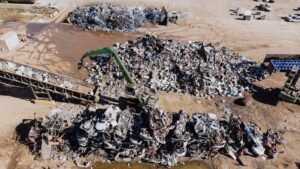
Effective scrap management is about logistics. Whether you are operating in Ryde or looking for broader coverage like scrap metal recycling alexandria or scrap metal recycling girraween, the principles remain the same. You need a reliable partner who understands the local regulatory environment and offers efficient pickup services. For large industrial volumes, skip bins and specialized transport are required to ensure safety and compliance with EPA standards.
Expert tip: Always check the daily commodity prices before heading to the yard. Because scrap metal is a global commodity, prices fluctuate based on the London Metal Exchange (LME). Staying informed allows you to time your sales for maximum profitability. For professional guidance on market trends and industry standards, consult the experts at Scrap Trade Australia to ensure you are getting the best market rates for your scrap.
Advanced Processing Techniques
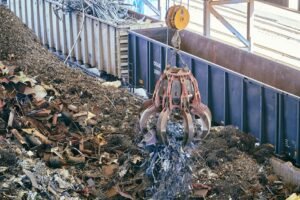
Once scrap arrives at a facility, it undergoes a multi-stage transformation. The first step is shredding, where massive industrial hammers break down bulky items like vehicles or white goods into fist-sized pieces. This increases the surface area, allowing for better separation. Following this, magnets are used to pull ferrous metals from the mix, while eddy current separators use magnetic fields to repel and sort non-ferrous metals like aluminium.
Finally, the sorted metal is melted in furnaces. The molten metal is then cast into ingots, billets, or slabs, which are sold to manufacturers to create everything from new car parts to structural beams for skyscrapers. This closed-loop system is the pinnacle of modern industrial efficiency, ensuring that the metal you recycle today could be part of a new product within weeks.
Safety and Compliance in Recycling
Safety is the cornerstone of the recycling industry. Scrap yards are high-traffic areas with heavy machinery and sharp materials. When visiting a site in Ryde, always wear appropriate PPE, including steel-capped boots, high-visibility vests, and gloves. Furthermore, compliance with environmental regulations is non-negotiable. Reputable recyclers must adhere to strict guidelines regarding the handling of hazardous materials, such as lead-acid batteries or refrigerants containing CFCs, which must be drained and processed by licensed technicians to prevent environmental contamination.
Future Trends in the Scrap Industry
The future of scrap metal recycling is increasingly digital and data-driven. We are seeing the rise of blockchain-based tracking for scrap, ensuring that manufacturers can verify the recycled content of their materials. This is particularly important for the automotive and aerospace industries, which are under increasing pressure to meet ESG (Environmental, Social, and Governance) targets. As we move toward 2030, the ability to trace the ‘birth’ of recycled material will become a standard requirement, further elevating the status of the scrap recycling sector.
Conclusion: Maximizing Your Impact
Recycling is more than just a chore; it is an active contribution to a sustainable future. By understanding the grades of metal, optimizing your sorting process, and choosing a reputable partner in the Ryde area, you ensure that your scrap contributes to the circular economy. Whether you are a small-scale recycler or a large industrial firm, the value of your metal is determined by your attention to detail and your commitment to quality. Stay informed, keep your materials clean, and help build a stronger, greener Australia through responsible scrap management.
Frequently Asked Questions
What is the most valuable metal to recycle?
Copper is generally the most valuable non-ferrous metal due to its high demand in electrical wiring and plumbing. Other high-value metals include brass, stainless steel, and aluminium.
How do I know if my metal is ferrous or non-ferrous?
The simplest test is to use a magnet. If the magnet sticks to the metal, it is ferrous (contains iron, like steel). If the magnet does not stick, it is non-ferrous (like copper, aluminium, or brass).
Do I need to clean my scrap metal before bringing it in?
Yes, removing non-metal contaminants like plastic, rubber, or excessive dirt significantly increases the value of your scrap. Clean, sorted metal is much easier for recyclers to process and fetches a higher price.
Why do scrap metal prices change so often?
Scrap metal is a global commodity, and its price is tied to the London Metal Exchange (LME). Factors such as global supply and demand, mining output, and international trade policies cause prices to fluctuate daily.