
When you are looking for reliable scrap metal Silverwater services, understanding the landscape of the Western Sydney recycling industry is essential for both commercial contractors and individual recyclers. Silverwater, being a central industrial hub, acts as a primary artery for the movement of scrap materials, connecting construction sites, automotive workshops, and demolition projects to the global circular economy. Whether you are clearing out a warehouse or managing industrial waste, navigating the logistics of recycling requires knowledge of material grades, current market fluctuations, and the environmental benefits of diverting waste from landfills.
The Fundamentals of Scrap Metal Recycling in Silverwater
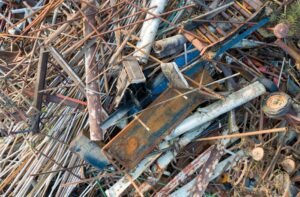
Recycling is not merely about dumping old metal into a bin; it is a sophisticated industrial process that preserves natural resources. In the context of Scrap Metal Recycling Near Me, the process begins with the identification and segregation of metals. Metals are generally categorized into two main groups: ferrous and non-ferrous. Ferrous metals, such as iron and steel, contain carbon and are magnetic, whereas non-ferrous metals, including copper, aluminium, brass, and lead, are highly valued for their resistance to corrosion and their infinite recyclability.
For those located in the industrial heart of Sydney, managing waste effectively is a competitive advantage. If you are ready to monetize your industrial waste, you can Sell Scrap Metal Near Me In 2026 to streamline your operations and ensure compliance with environmental regulations. The recycling process involves several stages: collection, sorting, processing, melting, and purification. By the time a piece of metal reaches a facility, it has often passed through rigorous quality control checks to ensure that contaminants like plastic, rubber, or hazardous materials are removed, ensuring the final product meets the standards of manufacturers worldwide.
Understanding Metal Grades and Market Valuation
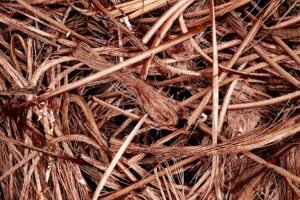
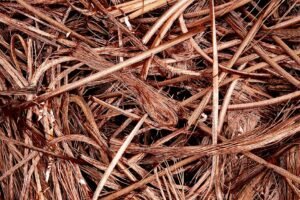
The price of scrap metal is dictated by global supply and demand, purity levels, and the cost of processing. In Silverwater, where industrial activity is high, scrap yards often see a wide variety of grades. Understanding these grades is the difference between a minor payout and a significant return on your waste management efforts. Copper, for instance, is graded based on its cleanliness—’Bright and Shiny’ (No. 1) fetches a premium, while ‘Burnt’ or ‘Insulated’ copper carries a lower value due to the processing required to strip the insulation.
When checking Scrap Metal Prices, it is important to remember that these figures fluctuate daily based on the London Metal Exchange (LME). Factors such as geopolitical stability, mining output, and manufacturing demand in emerging economies play a role. For businesses in the region, staying updated on these trends is crucial. If you are also operating in neighboring suburbs, you might find that services for scrap metal bankstown are comparable in their logistical requirements, though market pricing remains consistent across the Sydney metropolitan area.
The Environmental Imperative of Recycling
The environmental case for recycling is undeniable. Manufacturing products from virgin ore is an energy-intensive process that leaves a massive carbon footprint. By choosing to recycle, we reduce the need for destructive mining and smelting operations. For example, recycling aluminium saves approximately 95% of the energy required to produce the same amount of aluminium from raw bauxite ore. This energy saving translates into a massive reduction in greenhouse gas emissions.
Beyond energy savings, recycling prevents toxic materials from leaching into the soil and groundwater. Industrial scrap often contains heavy metals that, if left in a landfill, pose long-term ecological risks. By utilizing professional scrap metal trading platform services, businesses ensure their waste is handled in a closed-loop system. This commitment to sustainability is not just good for the planet; it is a core component of modern corporate social responsibility (CSR) mandates.
Logistics and Efficiency: Why Silverwater is a Strategic Hub
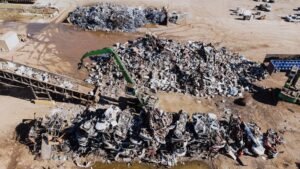
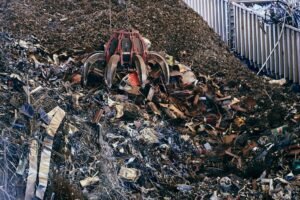
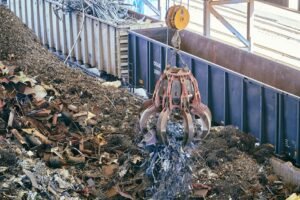
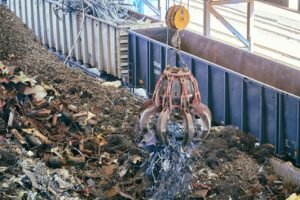
Silverwater’s proximity to major transport routes like the M4 Motorway makes it an ideal location for high-volume scrap collection. Efficient logistics are the backbone of the scrap industry. When a facility handles thousands of tonnes of metal annually, the speed of collection, the accuracy of weighing, and the safety of the loading process are paramount. Expert recyclers utilize specialized equipment, including high-capacity scales, heavy-duty shears, and balers, to maximize the efficiency of every load.
For those managing large-scale demolition or manufacturing waste, partnering with a professional service provider is essential. A reputable Australian scrap metal trading hub provides the necessary infrastructure—such as roll-on, roll-off bins and scheduled pick-up services—to ensure that scrap accumulation does not impede your primary business operations. By keeping your site clear of scrap, you reduce workplace hazards and improve overall site safety, which is a critical metric for any construction or manufacturing manager.
Best Practices for Preparing Your Scrap for Sale
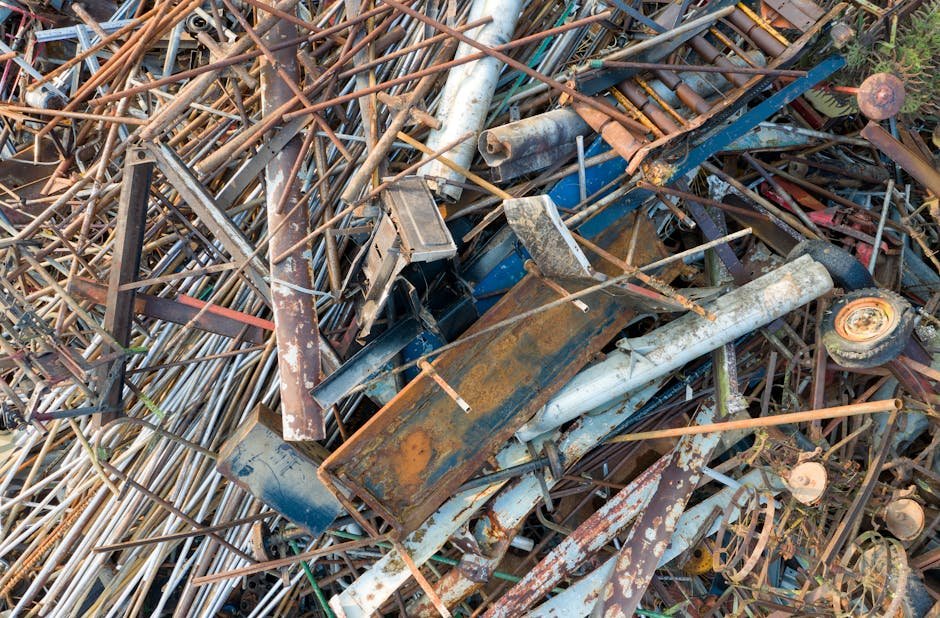
Preparation is the key to maximizing your financial return. If you want to get the best value, do not mix your metals. A mixed load of copper, brass, and steel will often be valued at the rate of the lowest-value metal in the pile. Sorting your metals by type and grade before they reach the yard saves the recycler time and ensures you are paid the correct market rate for high-value items.
Furthermore, removing non-metallic attachments—such as plastic fittings on copper pipes or steel bolts on aluminium frames—is highly recommended. While modern processing facilities have advanced sorting technology, manual pre-sorting at the source remains the most effective way to ensure high purity. Always ensure that your scrap is free of contaminants like oil, chemicals, or hazardous substances, as these can result in your load being rejected or incurring significant disposal fees.
Future-Proofing Your Scrap Management
As we look toward 2026 and beyond, the scrap metal industry is becoming increasingly digitized. Real-time tracking, transparent pricing, and data-driven waste management are the new standards. Businesses that integrate these tools into their operations will be better positioned to capitalize on market shifts. By utilizing digital platforms, you can monitor price trends and schedule collections with ease, ensuring that your scrap management is as efficient as your production line.
The shift toward a circular economy is accelerating. Governments are implementing stricter regulations regarding industrial waste, making it more important than ever to work with certified recyclers who provide proper documentation and environmental certification. By formalizing your scrap disposal process, you not only protect your bottom line but also contribute to a larger, more sustainable industrial ecosystem in New South Wales.
Conclusion: Choosing the Right Partner
Navigating the world of scrap metal requires a balance of market knowledge, logistical precision, and a commitment to environmental stewardship. Whether you are a small business or a large industrial firm, the value of your scrap is a resource that should not be wasted. By understanding the grades, tracking the prices, and partnering with experienced professionals, you turn a waste management challenge into a revenue-generating opportunity.
The industry is evolving, and those who stay informed will thrive. From the industrial zones of Silverwater to the wider Sydney region, the infrastructure is in place to support your recycling needs. Start by auditing your waste streams, sorting your materials, and engaging with a trusted partner who can provide the transparency and reliability your business deserves. Remember, every tonne of metal recycled is a step toward a cleaner, more efficient, and more profitable future for Australian industry.
Frequently Asked Questions
What is the most valuable scrap metal to recycle?
Copper is consistently the most valuable scrap metal due to its high demand in electrical and plumbing industries. Other high-value metals include brass, stainless steel, and aluminium.
How do I know if my metal is ferrous or non-ferrous?
The easiest way to check is by using a magnet. If the magnet sticks to the metal, it is ferrous (like iron or steel); if it does not stick, it is likely non-ferrous (like copper, aluminium, or brass).
Does the condition of the scrap metal affect the price?
Yes, cleanliness and purity significantly impact the price. Metals that are clean, free of insulation, and sorted by grade will always command a higher price than contaminated or mixed loads.
Why do scrap metal prices change so often?
Scrap metal prices fluctuate based on the global commodities market, specifically the London Metal Exchange. Factors such as global mining production, manufacturing demand, and currency exchange rates all influence daily price updates.