
Navigating the landscape of scrap metal Smithfield requires more than just gathering old metal; it demands an understanding of how the industry operates, how to categorize materials, and how to leverage market trends to maximize your financial return. Whether you are a trade contractor, a demolition expert, or a homeowner clearing out a shed, understanding the nuances of metal recycling is the first step toward turning waste into a valuable commodity. In the industrial heart of Western Sydney, Smithfield serves as a critical hub for material recovery, feeding the broader Australian circular economy.
Understanding Metal Grades: Ferrous vs. Non-Ferrous
To be successful in the scrap industry, you must first distinguish between the two primary categories of metal: ferrous and non-ferrous. Ferrous metals contain iron, are magnetic, and are generally more abundant but lower in value per kilogram. Common examples include steel, iron, and cast iron. Non-ferrous metals, such as copper, aluminium, brass, and lead, do not contain iron, are non-magnetic, and are significantly more valuable due to their scarcity and the energy-intensive nature of their primary extraction.
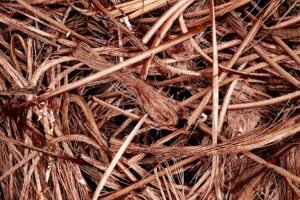
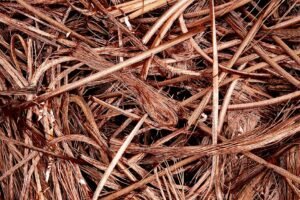
When you look to Sell Scrap Metal Near Me In 2026, knowing your grades is paramount. For instance, copper is divided into grades like ‘Bright and Shiny’ (bare, clean wire) versus ‘Burnt’ or ‘Insulated’ wire. Aluminium is similarly graded; ‘Extrusion’ (window frames) fetches a different price than ‘Cast’ (engine parts) or ‘Sheet’ aluminium. By sorting your materials before arriving at a facility, you ensure that you are not penalized for mixed-grade loads and that you receive the highest possible payout for your efforts.
The Scrap Metal Recycling Process Explained
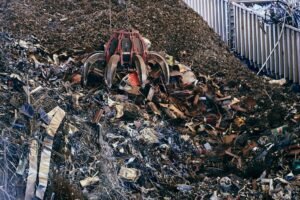
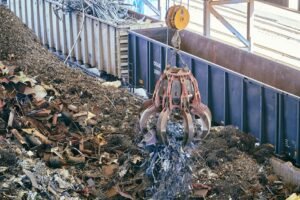
The recycling process at a professional facility is a highly engineered operation designed to maximize purity and efficiency. Once scrap arrives at a yard, it undergoes a rigorous sorting process. Advanced technology, including X-ray fluorescence (XRF) analyzers, is often used to determine the exact chemical composition of metal alloys. This ensures that high-grade materials are not contaminated by impurities, which would otherwise render them useless for high-end manufacturing.
After sorting, the metal is processed. This may involve shearing (cutting large pieces into manageable sizes), shredding (breaking down complex items like appliances into small fragments), or baling (compressing light-gauge metals for easier transport). Once processed, the materials are sent to smelters where they are melted down into ingots or billets. These are then sold to manufacturers as high-quality raw materials. If you are searching for Scrap Metal Recycling Near Me, choosing a facility with modern processing equipment is essential for ensuring your scrap is handled sustainably and efficiently. For those operating in other regions, similar high-standard facilities exist, such as scrap metal geebung or the specialized services found in scrap metal artarmon.
Market Fluctuations and Scrap Metal Prices
One of the most common questions from scrap dealers is why Scrap Metal Prices change so frequently. The answer lies in the global commodities market. Metals are traded on the London Metal Exchange (LME), and prices are influenced by supply and demand, geopolitical stability, energy costs, and currency exchange rates. When global manufacturing demand is high, the price for copper and steel rises. Conversely, economic slowdowns can lead to a dip in market value.
As an expert in the field, I recommend tracking these trends before liquidating large volumes of stock. Using a reliable scrap metal trading platform can provide you with real-time data to help you decide the best time to sell. It is important to note that local scrap yards in Smithfield adjust their buy prices based on these global benchmarks, minus the costs of processing, logistics, and overhead. Understanding that your payout is tied to global markets helps manage expectations and allows for better financial planning for your business or project.
Environmental Benefits of Metal Recycling
The environmental impact of recycling scrap metal is profound. Primary metal production—the process of mining ore and refining it—is one of the most energy-intensive and carbon-heavy industries on the planet. By contrast, recycling existing metals requires a fraction of the energy. For example, recycling aluminium saves approximately 95% of the energy required to produce the same amount of metal from bauxite ore. Similarly, recycling steel reduces water use by 40% and air pollution by 86% compared to primary production.
By participating in the Australian metal recycling network, you are directly contributing to a reduction in mining activity, which preserves natural habitats and reduces the amount of waste ending up in landfills. In a climate-conscious world, your decision to recycle is a tangible act of environmental stewardship. Every tonne of steel recycled saves over a tonne of iron ore, 600kg of coal, and 50kg of limestone, proving that scrap metal is not waste, but a critical resource for a sustainable future.
Practical Tips for Preparing Your Scrap
Preparation is the key to maximizing your profit. First, remove non-metallic attachments. If you have an electric motor, remove the casing. If you have copper pipes, remove any brass fittings or plastic insulation. Clean scrap is always worth more than dirty or contaminated scrap. Second, group your metals by type. Mixing steel with copper will result in the entire load being graded as the lower-value material. Use separate bins or bags for different grades.
Third, understand the weight. Most yards use certified weighbridges. Ensure your vehicle is organized so you can unload quickly and safely. Finally, always bring valid identification. Regulations in New South Wales require scrap facilities to record the details of sellers to prevent the trade of stolen goods. By being organized, transparent, and prepared, you turn a simple trip to the scrap yard into a professional, profitable business transaction. If you are a commercial operator, consider establishing a long-term relationship with a local yard to secure consistent pricing and dedicated service.
The Future of Metal Recycling in Australia
The Australian scrap metal industry is currently undergoing a digital transformation. We are moving away from the ‘old-school’ yard model toward a more transparent, tech-enabled ecosystem. This shift is driven by the need for traceability, better price discovery, and improved safety standards. Platforms that provide instant access to market data and logistics support are becoming the standard, not the exception.
As we look toward 2026 and beyond, the integration of AI in sorting technology and blockchain in supply chain management will likely make the process even more efficient. For those involved in scrap metal Smithfield, staying ahead of these trends will provide a significant competitive advantage. Whether it is through better sorting techniques or utilizing digital platforms to track market movements, the future of scrap is bright for those who treat it as a professional enterprise rather than just a way to dispose of junk.
Safety and Compliance Standards
Safety is the cornerstone of any reputable scrap metal operation. Handling heavy, sharp, and potentially hazardous materials requires strict adherence to safety protocols. Always wear appropriate personal protective equipment (PPE), including heavy-duty gloves, steel-toed boots, and high-visibility clothing when visiting a yard. Furthermore, be aware of hazardous materials that may be attached to your scrap, such as asbestos in old building materials or residual chemicals in industrial tanks. These must be handled by licensed professionals and must never be brought to a standard scrap yard.
Compliance is equally important. In Australia, the industry is regulated to ensure ethical sourcing. Reputable yards will always provide clear documentation for your transactions. This not only protects the yard but also protects you, the seller, by providing a clear audit trail for your business activities. By working with compliant, professional operators, you ensure that your recycling efforts are not only profitable but also legally sound and environmentally responsible.
Conclusion: Why Choose Professional Recycling
Recycling is the backbone of the modern industrial economy. By engaging with professional scrap metal services, you are doing more than just clearing space; you are participating in a global movement to conserve resources and reduce the environmental burden of manufacturing. Whether you are a small-scale recycler or a large industrial firm, the principles remain the same: sort your materials, understand the market, and partner with a facility that values transparency and efficiency.
The landscape of scrap metal Smithfield is rich with opportunity for those who take the time to learn the trade. From understanding the difference between copper grades to tracking the LME, your knowledge is your greatest asset. As you move forward, remember that every piece of metal you recycle is a step toward a more sustainable and profitable future. Keep your operations safe, stay informed on market fluctuations, and continue to leverage the tools and resources available to make the most of your scrap metal assets.
Frequently Asked Questions
What is the most valuable scrap metal I can collect?
Copper is consistently the most valuable common scrap metal due to its high demand in electrical and plumbing industries. Other high-value metals include brass, stainless steel, and lead, though prices fluctuate based on purity and market conditions.
Do I need to clean my scrap metal before bringing it to a yard?
Yes, cleaning your scrap significantly increases its value. Removing non-metallic attachments like plastic, rubber, or wood ensures that the material is graded as ‘clean,’ which fetches a higher price per kilogram.
How do I know if my scrap is ferrous or non-ferrous?
The easiest way to check is with a magnet. If a magnet sticks to the metal, it is ferrous (iron-based, like steel). If the magnet does not stick, it is non-ferrous (like copper, aluminium, or brass).
Why do scrap metal prices change so often?
Scrap metal prices are tied to global commodity markets, which are influenced by supply and demand, manufacturing output, and economic conditions. Because these factors change daily, local scrap yard prices are updated frequently to reflect current market value.