
When searching for reliable scrap metal Tottenham services, it is essential to understand that the industry is a cornerstone of Victoria’s circular economy. Our facility acts as a critical hub for businesses and residents looking to dispose of industrial, commercial, and household metal waste responsibly. Whether you are clearing out a warehouse or managing construction site debris, optimizing your scrap recovery process ensures you receive the best market value while contributing to a sustainable future. As the industry evolves, staying informed about current trends is vital, which is why many professionals rely on industry-leading scrap metal trading platforms to track market fluctuations.
Understanding Metal Grades: Ferrous vs. Non-Ferrous
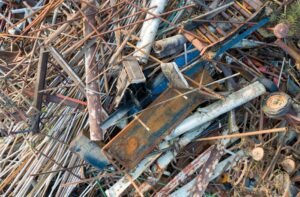
To maximize your returns, you must first understand how metals are graded. In the context of scrap metal Tottenham operations, metals are broadly categorized into two primary groups: ferrous and non-ferrous. Ferrous metals contain iron, are magnetic, and are generally more abundant. Common examples include steel, iron, and cast iron. Because of their high volume, these are often collected in larger skips and processed in bulk. If you are looking to Sell Scrap Metal Near Me In 2026, separating these from your non-ferrous pile is the first step toward a higher payout.
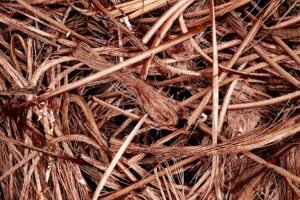
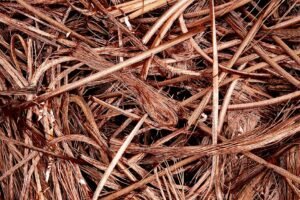
Non-ferrous metals—such as copper, aluminium, brass, lead, and stainless steel—do not contain iron and are highly valued for their resistance to corrosion and their infinite recyclability. Copper, in particular, is a high-demand commodity. Whether you are dealing with insulated electrical wiring, plumbing pipes, or roofing materials, non-ferrous metals command higher prices per kilogram. Collectors in Tottenham often focus on these high-grade materials to ensure maximum efficiency. For those operating in other regions, similar high-value processing is available through specialized networks, such as scrap metal lismore or scrap metal moree, which follow standardized grading practices to ensure quality control across the Australian market.
The Process: How Scrap Metal Recycling Works
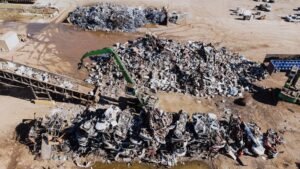
The journey from scrap heap to raw material is a sophisticated industrial process. Once materials arrive at our Tottenham facility, they undergo a rigorous multi-stage procedure. First, the scrap is weighed on certified scales to determine its value. Next, the sorting process begins. We utilize advanced technology, including magnetic separators and X-ray fluorescence (XRF) analyzers, to identify the exact composition of the metal. This ensures that contaminants—such as plastic, rubber, or wood—are removed, which is crucial for maintaining the purity of the final product.
After sorting, the metal is processed through shredders or hydraulic shears. Shredding breaks the metal into small, manageable pieces, increasing the surface area for the subsequent smelting process. For those interested in the logistical side of this operation, our professional metal recycling services provide a seamless interface for tracking your loads and understanding current industry benchmarks. The final stage involves melting the scrap in furnaces, where it is cast into ingots or billets. These raw materials are then sold back to manufacturers to create everything from car parts to beverage cans, completing the circular loop.
Environmental and Economic Benefits of Recycling
The environmental impact of recycling scrap metal cannot be overstated. Mining virgin ore is an energy-intensive process that causes significant ecological disruption, including habitat destruction and groundwater contamination. By contrast, recycling aluminium saves approximately 95% of the energy required to produce the same amount from bauxite ore. Similarly, recycling steel reduces energy use by about 75%. When you engage with scrap metal Tottenham services, you are actively participating in a carbon-reduction strategy that preserves our natural resources for future generations.
Beyond environmental stewardship, the economic benefits are substantial. The scrap industry provides thousands of jobs in Australia and supports the manufacturing sector by providing affordable, high-quality raw materials. By keeping metal out of landfills, we reduce the burden on municipal waste systems and prevent toxic heavy metals from leaching into the soil. For businesses, implementing a robust scrap management plan is not just an ethical choice—it is a financial one. Staying updated on Scrap Metal Prices allows you to time your sales for when market demand is at its peak, turning what was once considered ‘waste’ into a significant revenue stream.
Maximizing Your Returns: Practical Tips
If you want to get the most value for your materials, preparation is key. The most common mistake sellers make is failing to clean their scrap. While we accept various grades, removing non-metallic attachments—like plastic fittings on copper pipes or steel bolts on aluminium frames—can significantly increase the value of your load. Clean, sorted material is always worth more than mixed, contaminated scrap because it requires less labor for us to process.
Additionally, volume matters. While we welcome small quantities, consolidating your scrap allows for more efficient transportation and processing. If you have a large commercial project, consider scheduling a bin service. We provide industrial skips that can be placed on-site, allowing your team to dispose of scrap as they work. This keeps your site safe, clean, and compliant with OHS regulations. For those who are unsure about the best way to manage their specific waste stream, searching for Scrap Metal Recycling Near Me will often lead you to local experts who can provide tailored advice on logistics and material handling.
The Future of the Industry: Innovation and Sustainability
The scrap metal industry is currently undergoing a digital transformation. With the integration of blockchain for supply chain transparency and AI-driven sorting robots, the efficiency of scrap metal Tottenham facilities is reaching new heights. These technologies allow for near-perfect purity levels, which is essential as manufacturers demand higher-grade recycled alloys for advanced applications like electric vehicle batteries and renewable energy infrastructure. As we look toward 2026 and beyond, the traceability of scrap will become a major factor in international trade, ensuring that recycled materials meet strict environmental standards.
Furthermore, the shift toward a circular economy is being supported by government policies that incentivize recycling over landfill disposal. Companies that prioritize sustainability in their supply chain are increasingly looking for partners who can provide certified recycling reports. By documenting the weight and type of metal recycled, businesses can improve their ESG (Environmental, Social, and Governance) scores, making them more attractive to investors and customers alike. The integration of digital platforms into the scrap trade is not just a convenience; it is a fundamental shift toward a more transparent and efficient industrial ecosystem.
Safety and Compliance in Metal Recycling
Safety is the top priority in any scrap yard. Handling heavy, sharp, and potentially hazardous materials requires strict adherence to safety protocols. At our Tottenham facility, we operate under rigorous safety standards to protect our staff, our customers, and the environment. This includes the proper management of hazardous materials, such as lead-acid batteries, which require specialized handling to prevent acid leakage and lead contamination. We ensure that all hazardous waste is processed in accordance with Victorian environmental protection regulations.
Compliance also extends to the documentation of scrap transactions. In an effort to combat metal theft, the industry follows strict identification and recording procedures. When you bring your scrap to us, please be prepared to provide valid identification. This is a standard industry practice designed to protect the integrity of the market and ensure that all materials are sourced legally. By working with a reputable, licensed recycler, you can be confident that your scrap is being handled with the highest level of professional and legal integrity.
Conclusion: Choosing the Right Partner
Selecting the right scrap metal partner is about more than just finding the best price; it is about finding a facility that offers reliability, expertise, and a commitment to sustainability. Whether you are a local tradie, a large-scale manufacturer, or a homeowner, our Tottenham facility is equipped to handle your needs with precision and care. We pride ourselves on our transparent pricing, efficient service, and dedication to the circular economy.
As we continue to innovate and expand our capabilities, we remain committed to serving the Tottenham community and the broader Australian market. By choosing to recycle your metal, you are making a positive impact on the environment and contributing to a more sustainable industrial future. We invite you to visit our facility, discuss your scrap management needs with our team, and see firsthand how we are setting the standard for professional metal recycling in Victoria. Together, we can turn the waste of today into the essential resources of tomorrow.
Frequently Asked Questions
What items are commonly accepted as scrap metal?
We accept a wide range of items including copper wiring, aluminium cans, brass fittings, steel beams, car batteries, and stainless steel appliances. Generally, if it is made of metal, we can recycle it.
How are scrap metal prices determined?
Prices are influenced by global commodity markets, the purity of the metal, and the current demand for that specific alloy. We provide competitive, up-to-date pricing based on daily market fluctuations.
Do I need to sort my scrap before bringing it in?
While we can accept mixed loads, sorting your scrap into ferrous and non-ferrous categories before arrival will significantly speed up the weighing process and may help you achieve a higher return.
Is it safe to recycle items like old car batteries?
Yes, but these require special handling. Please ensure they are transported upright to prevent acid leaks and inform our staff upon arrival so we can safely manage the recycling of hazardous components.