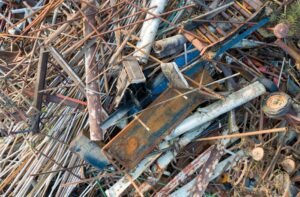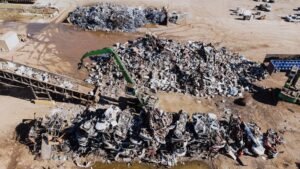

Navigating the landscape of scrap metal Townsville requires a strategic approach to material identification, market timing, and logistics. As a hub for mining, construction, and maritime activity, Townsville represents a critical node in Queensland’s industrial supply chain. Understanding how to effectively manage your scrap metal assets—whether you are a demolition contractor or a household DIY enthusiast—can significantly impact your bottom line. By engaging with professional recycling infrastructure, you contribute to a sustainable ecosystem that reduces the need for virgin ore extraction. Our Ultimate Guide to scrap metal prices in Australia provides the foundational knowledge required to navigate these markets with confidence. When searching for a reliable metal scrap yard near me, prioritize facilities that offer transparent grading, accurate electronic weighing, and efficient site access.
Understanding Metal Grades and Classification
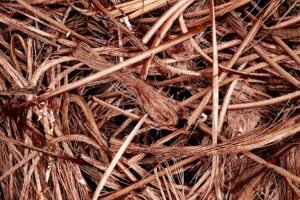
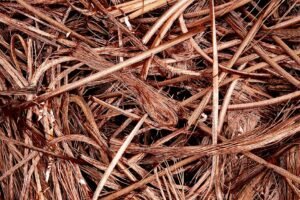
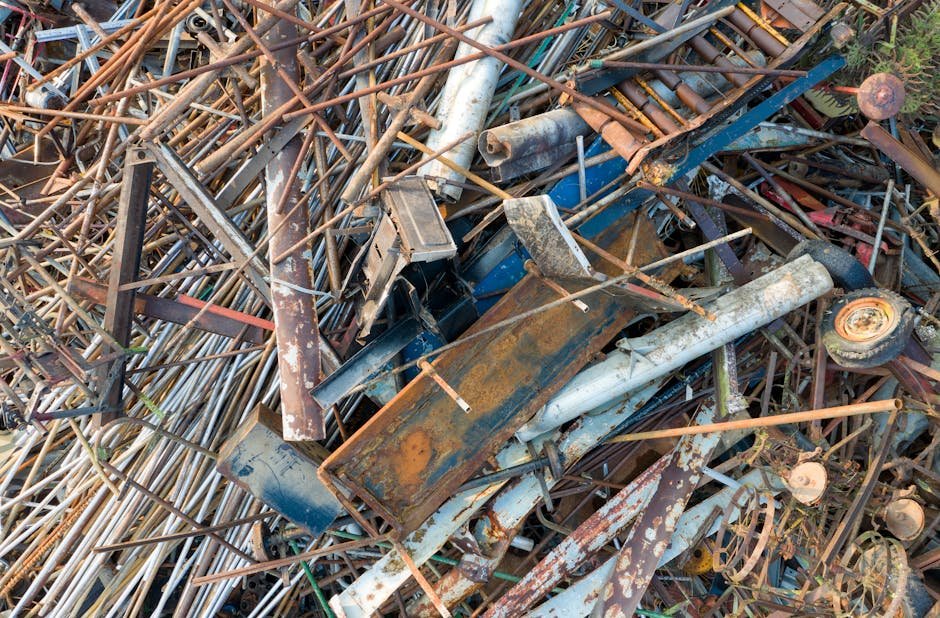
The profitability of your scrap depends entirely on your ability to accurately grade materials. In the context of scrap metal Townsville, metals are categorized into ferrous and non-ferrous groups, each with distinct market values and processing requirements. Ferrous metals, such as iron and steel, are magnetic and generally lower in value per kilogram but high in volume. Non-ferrous metals, including copper, aluminum, brass, and lead, do not contain iron and command significantly higher prices due to their scarcity and infinite recyclability. Copper, for example, is graded based on purity, with ‘Bright and Shiny’ (bare, clean copper wire) fetching the highest premiums. Aluminum is graded by alloy type—cast, extrusion, or sheets—and requires careful separation to avoid contamination. Contamination is the primary reason for downgraded pricing; plastic, rubber, or steel attachments on aluminum parts will force a yard to categorize the load as ‘dirty,’ which carries a lower price point. For those looking to stay ahead of the curve, tracking current Scrap Metal Prices is essential for timing your sales to coincide with market peaks. Professional recyclers utilize XRF (X-ray fluorescence) analyzers to determine the exact chemical composition of alloys, ensuring fair valuation for specialized industrial scrap. Always aim to strip insulation from wiring and remove non-metallic components to maximize your yield.
The Lifecycle of Metal Recycling in Townsville
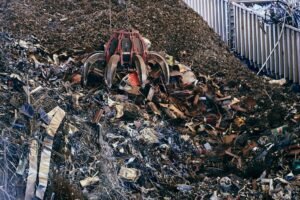
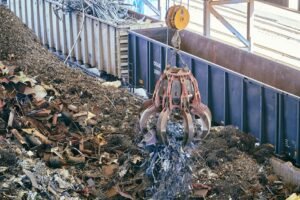
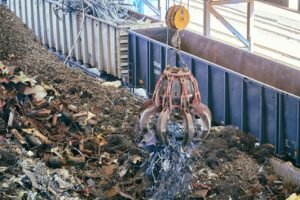
The journey from a scrap pile to a refined raw material is a sophisticated industrial process. Once your scrap arrives at a facility like Crg Scrap Metal, it undergoes a rigorous sorting and processing phase. Large-scale recycling starts with mechanical shearing and shredding, which reduces bulky items into manageable fragments. Magnetic separators are then deployed to pull ferrous metals from the mix, while eddy current separators are used to eject non-ferrous materials based on their conductivity. This process is crucial for producing high-purity feedstocks that steel mills and smelters can use as direct substitutes for virgin materials. In Townsville, the proximity to port facilities allows for the efficient export of processed scrap, linking local recycling efforts to global manufacturing demands. The recycling loop is not just about waste management; it is about energy conservation. Recycling aluminum, for instance, consumes 95% less energy than producing new aluminum from bauxite ore. By participating in this system, local businesses reduce their carbon footprint while supporting a vital local industry. Whether you are dealing with end-of-life machinery or construction site offcuts, professional processing ensures that these materials remain in the production cycle rather than ending up in landfill.
Environmental and Economic Benefits
The environmental impact of metal recycling extends far beyond the reduction of landfill waste. Every tonne of recycled steel saves over a tonne of iron ore, 600 kilograms of coal, and 50 kilograms of limestone. This massive reduction in resource extraction translates into lower greenhouse gas emissions and preserved landscapes. Furthermore, the recycling industry is a significant employer in regional areas like Townsville, providing jobs in logistics, processing, and environmental compliance. For businesses, implementing a robust scrap management policy is a win-win scenario: it turns a waste liability into a revenue stream while demonstrating corporate social responsibility. By utilizing resources provided by Scrap Trade, companies can streamline their logistics and ensure that their waste management practices meet the highest environmental standards. The economic multiplier effect of recycling is substantial; it keeps capital circulating within the local economy and reduces the reliance on costly imported raw materials. As global demand for greener manufacturing grows, the value of recycled scrap will only increase. By investing time in proper sorting, you are not just cleaning up a site; you are participating in a global movement toward circularity that is essential for long-term industrial stability.
Practical Tips for Maximizing Scrap Returns
To ensure you receive the best possible payout, preparation is key. Start by segregating your metals at the source. Mixing copper with steel is a common mistake that drastically reduces the value of the entire load. Use separate bins for different grades and keep them clean of debris. If you are dealing with large volumes, consider investing in a small-scale baler or a manual wire stripper to increase the purity of your non-ferrous items. Safety is paramount when handling scrap; always wear appropriate PPE, including heavy-duty gloves, steel-capped boots, and eye protection. When transporting your scrap, ensure your load is secured and compliant with local traffic regulations. Before heading to the yard, call ahead to verify their current acceptance policies and whether they require an appointment for large commercial loads. Check the latest industry insights at Scrap Trade Australia to understand the factors influencing current market fluctuations. Being informed allows you to negotiate with confidence and avoid being caught off guard by sudden price adjustments. Remember that volume matters; while small amounts are accepted, larger, sorted loads are often prioritized and may qualify for better pricing structures or even pickup services. Build a professional relationship with your local yard manager; they are often willing to provide guidance on how to better prepare your scrap for higher grades, which benefits both parties in the long run.
Navigating Market Trends and Industry Standards
The scrap metal market is inherently volatile, influenced by global commodity prices, supply chain logistics, and geopolitical events. For scrap metal Townsville operators, the local market is a microcosm of these global forces. When the Chinese manufacturing sector slows down, demand for scrap often dips, leading to lower prices. Conversely, when infrastructure spending increases domestically, the demand for recycled steel and copper rises, pushing prices upward. Understanding these trends requires a proactive approach to information gathering. Follow international metal exchanges and observe how regional infrastructure projects in Northern Queensland drive local demand. Furthermore, stay updated on environmental regulations. As Australia tightens its waste export bans, the domestic capacity for processing scrap will become increasingly important. Facilities that can demonstrate high-quality output and adherence to strict environmental protocols will be the leaders in the next decade of the industry. Do not overlook the importance of documentation; keeping accurate records of your scrap sales is essential for tax purposes and for tracking the environmental impact of your business operations. By aligning your business with the professional standards of the scrap industry, you position yourself as a reliable partner in the supply chain, ensuring long-term viability and profitability.
The Future of Metal Recycling in Northern Queensland
The future of the recycling industry in Townsville is bright, driven by technological advancements and a growing societal emphasis on sustainability. We are moving toward a ‘smart’ recycling model where AI-driven sorting robots and advanced sensor technology will make the process even more efficient and accurate. These technologies will allow for the recovery of rare earth metals from electronic scrap, a rapidly growing segment of the industry. As Townsville continues to grow as a strategic industrial hub, the demand for sophisticated recycling infrastructure will only increase. Businesses that adopt these new technologies early will gain a competitive advantage. Furthermore, the push for a ‘Net Zero’ economy will place a premium on recycled materials, as manufacturers seek to lower the embodied carbon of their products. By choosing to recycle, you are helping to build a more resilient and sustainable future for Northern Queensland. The transition to a circular economy is not just a trend; it is a fundamental shift in how we value resources. Whether you are a small business owner or a large industrial operator, your contribution to the recycling loop is vital. Stay informed, stay organized, and continue to prioritize sustainable practices to ensure that your scrap metal assets are working for you and the environment.
Related: Metal Scrap Yard Near Me
Frequently Asked Questions
What is the most valuable type of scrap metal to collect?
Copper is generally the most valuable non-ferrous metal, especially when it is clean and free of insulation. Other high-value metals include brass, stainless steel, and lead.
How can I tell if my metal is ferrous or non-ferrous?
The easiest way is to use a magnet. If the magnet sticks to the metal, it is ferrous, meaning it contains iron (like steel or iron). If the magnet does not stick, it is non-ferrous, such as aluminum, copper, or brass.
Do I need to clean my scrap metal before taking it to a yard?
Yes, cleaning your scrap significantly increases its value. Removing plastic, rubber, wood, or other non-metallic attachments prevents your load from being downgraded to a lower, less profitable ‘dirty’ grade.
How do scrap metal prices change?
Scrap metal prices are determined by global commodity markets, supply and demand, and the current cost of processing raw materials. Factors like international trade policies and local industrial activity in Townsville also play a significant role.