
Navigating the landscape of scrap metal Warragul requires more than just a truck and a pile of old copper. As a cornerstone of the regional circular economy, professional metal recycling transforms discarded industrial, commercial, and residential waste into valuable commodities. Whether you are a local contractor, a farmer clearing out old machinery, or a homeowner with a shed full of aluminium, understanding the nuances of metal grades and market demand is essential for maximizing both environmental impact and financial return.
The Fundamentals of Scrap Metal Recycling in Warragul
Recycling is a sophisticated industrial process that begins long before the metal reaches the furnace. In a hub like Warragul, the lifecycle of metal follows a strict path: collection, processing, shredding, and melting. By participating in professional Scrap Metal Recycling Near Me initiatives, you contribute to a system that saves massive amounts of energy compared to primary production. For example, recycling aluminium saves approximately 95% of the energy required to produce it from raw bauxite ore.
When you prepare to Sell Scrap Metal Near Me In 2026, you should understand that the value of your haul is determined by purity and classification. Contaminants like plastic, rubber, or wood attached to metal components can downgrade your material from a high-value grade to a lower-tier scrap. We encourage all users to visit our professional scrap metal trading portal to stay updated on best practices for material preparation.
Understanding Metal Grades: Ferrous vs. Non-Ferrous
To master the trade of scrap metal Warragul, you must distinguish between the two primary categories: ferrous and non-ferrous.
- Ferrous Metals: These contain iron and are generally magnetic. Common examples include structural steel, cast iron, and wrought iron. While these are often lower in price per kilogram, they are traded in high volumes.
- Non-Ferrous Metals: These do not contain iron and are typically more valuable. This category includes copper, brass, aluminium, lead, and stainless steel. Non-ferrous metals are highly sought after because they can be recycled infinitely without losing their chemical properties.
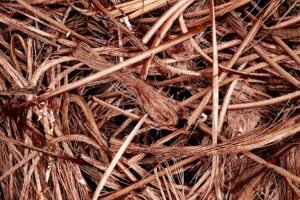
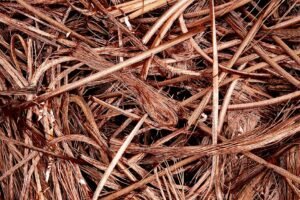
Within these categories, specific grades exist. For instance, copper is graded by its cleanliness: #1 Copper (bright, shiny, unalloyed) commands a higher price than #2 Copper (which may have slight oxidation or paint). If you are looking to track current market trends, our Scrap Metal Prices page provides the necessary context to help you decide when to sell your inventory.
The Environmental Imperative of Metal Recycling
The environmental case for recycling is undeniable. Mining for virgin metal is an energy-intensive process that results in significant habitat destruction, water pollution, and carbon emissions. By choosing to recycle in Warragul, you are directly reducing the demand for new mining operations. Furthermore, the recycling process reduces the amount of waste sent to landfills, which is critical for maintaining the natural beauty of the Gippsland region.
As we look toward the future, the integration of smart technology in recycling centers allows for more efficient sorting and processing. Whether you are operating in scrap metal cockburn or managing logistics for barossa scrap metal, the principles remain the same: clean, sorted, and high-quality materials lead to a more sustainable industrial future. By utilizing the resources at Scrap Trade, you ensure that your materials are handled by professionals who prioritize ethical recycling standards.
How the Recycling Process Works: From Collection to Commodity
The journey of a piece of scrap metal is a marvel of modern engineering. Once collected, metal is brought to a facility where it undergoes rigorous testing. Using X-ray fluorescence (XRF) technology, experts can identify the exact alloy composition of a piece of metal in seconds. This ensures that the material is correctly categorized for the smelter.
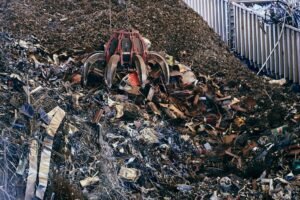
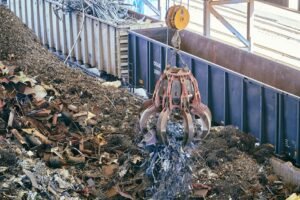
After identification, the metal is shredded into small, uniform pieces. This increases the surface-area-to-volume ratio, making the melting process significantly faster and more energy-efficient. Magnetic separators are then used to pull ferrous metals out of the mix, while eddy current separators are employed to isolate non-ferrous metals like aluminium. This systematic approach is what makes scrap metal Warragul operations so efficient. The final product is then sold to manufacturers who turn the recycled metal into everything from car parts to beverage cans.
Practical Tips for Maximizing Your Scrap Returns
If you want to get the best value for your scrap, preparation is everything. Here are some expert tips:
- Sort Your Metals: Never mix copper with steel. Sorting your metals by type and grade before you arrive at the yard will significantly increase your payout.
- Clean Your Scrap: Remove non-metal attachments. A copper pipe with a plastic fitting is worth less than a clean piece of copper.
- Monitor Prices: Metal markets fluctuate based on global demand. Keep an eye on market reports to time your sales effectively.
- Safety First: Always wear gloves and protective footwear. Scrap metal can be sharp and heavy; prioritize your safety during transport and unloading.
- Volume Matters: While small loads are accepted, larger, sorted loads often have more negotiating power at professional recycling facilities.
By following these steps, you transform from a casual recycler into a strategic participant in the metal economy. Consistency and quality are the two most important factors for any professional scrap trader.
The Future of Scrap Metal in Australia
The Australian scrap metal industry is evolving. With increasing government regulations surrounding waste management and a growing global emphasis on the circular economy, the demand for high-quality recycled metal is expected to rise. Innovations in smelting technology are also allowing for the recovery of metals that were previously considered “unrecyclable,” such as complex electronic waste (e-waste).
As we move toward 2026 and beyond, the transparency of the market will become even more important. Platforms that provide real-time data and facilitate connections between sellers and reputable buyers will lead the industry. Whether you are a small business owner in Warragul or a large industrial firm, aligning yourself with a reliable recycling partner is a strategic business decision that supports both your bottom line and the environment.
Why Warragul is a Key Hub for Metal Recycling
Warragul’s strategic location in the West Gippsland region makes it an ideal hub for collecting and processing scrap metal. With its proximity to major transport routes and a strong agricultural and manufacturing base, the volume of available scrap is significant. Farmers, in particular, often have large quantities of old machinery, fencing, and irrigation equipment that can be repurposed. By centralizing recycling efforts in the region, we reduce the carbon footprint associated with transporting scrap long distances to processing plants in metropolitan areas.
Furthermore, the local community in Warragul has shown a strong commitment to sustainable practices. By supporting local recycling infrastructure, residents and businesses are keeping the local economy robust while ensuring that hazardous materials are disposed of in an environmentally sound manner. It is a win-win scenario for the town and the planet.
Advanced Sorting Techniques and Their Impact
Modern recycling facilities use advanced optical sorting, which uses cameras and sensors to identify materials based on color, shape, and even chemical composition. This technology is vital for separating different types of non-ferrous metals that look similar but have different market values. For example, distinguishing between different grades of stainless steel is critical for manufacturers who require specific alloy ratios for their products.
This level of precision is why professional recycling is so much more effective than DIY disposal. When you bring your scrap to a professional facility, you are not just getting rid of clutter; you are participating in a high-tech supply chain that supports global manufacturing. This is the essence of professional scrap management: efficiency, accuracy, and sustainability.
Conclusion: Your Role in the Circular Economy
The act of recycling scrap metal is one of the most effective ways to contribute to a sustainable future. By understanding the grades, the processes, and the market dynamics, you can ensure that your scrap metal is handled with the care and professionalism it deserves. Whether you are a first-time recycler or a seasoned pro, the resources available at our platform are designed to empower you to make the best decisions for your business and the environment. Remember, every kilogram of metal you recycle is a step away from destructive mining and a step toward a cleaner, more efficient world.
Frequently Asked Questions
What is the most valuable type of scrap metal to recycle?
Copper is generally the most valuable scrap metal due to its high demand in electrical and plumbing industries. Other high-value metals include brass, stainless steel, and aluminium.
How should I prepare my scrap metal for the best price?
Sort your metals by type (ferrous vs. non-ferrous) and remove any non-metal contaminants like plastic, rubber, or wood. Clean, sorted scrap is always worth more than mixed, dirty loads.
Does the magnetic test work for all metals?
The magnet test is a quick way to identify ferrous metals, which are magnetic. If a magnet sticks to the metal, it is likely steel or iron; if it does not, it is likely a non-ferrous metal like copper, aluminium, or brass.
Why do scrap metal prices change so often?
Scrap metal prices are commodities that fluctuate based on global supply and demand, manufacturing needs, and international trade policies. Monitoring these trends helps you decide the best time to sell.