
Navigating the landscape of scrap metal Windsor requires a deep understanding of market dynamics, material classification, and the environmental impact of your waste management practices. Whether you are a local tradie, a construction site manager, or a household resident looking to clear out clutter, knowing how to categorize your materials can significantly impact your financial return and environmental footprint. As the industry evolves in 2026, finding reliable partners like those found at Sell Scrap Metal Near Me In 2026 is crucial for ensuring your materials are processed ethically and efficiently.
Understanding Metal Grades: Ferrous vs. Non-Ferrous
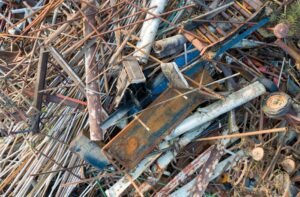
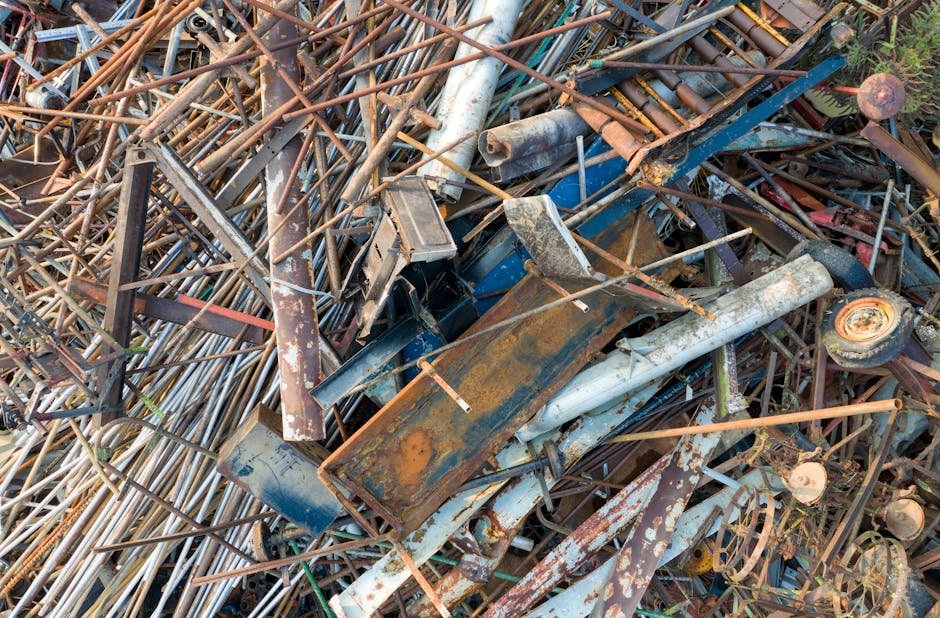
To maximize the value of your scrap, you must first distinguish between the two primary categories: ferrous and non-ferrous metals. Ferrous metals contain iron, making them magnetic and generally more abundant, though typically lower in value per kilogram compared to non-ferrous counterparts. Common examples include mild steel, carbon steel, and cast iron, often found in structural beams, old machinery, and vehicle frames. In the context of scrap metal Windsor, ferrous scrap is processed in high volumes to support the massive demand for recycled steel in construction and manufacturing.
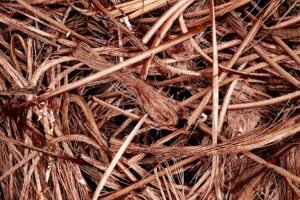
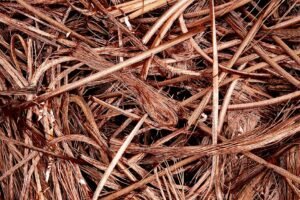
Non-ferrous metals, on the other hand, do not contain iron, meaning they are non-magnetic and highly resistant to corrosion. This category includes copper, aluminium, brass, lead, and stainless steel. Because these metals retain their properties indefinitely through the recycling process, they are highly sought after. Copper, for instance, is a commodity that fluctuates based on global demand, which is why keeping an eye on Scrap Metal Prices is essential for anyone looking to turn a profit. Understanding these grades is the first step in becoming a savvy recycler.
The Lifecycle of Scrap Metal Recycling
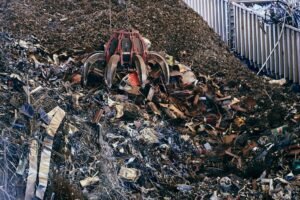
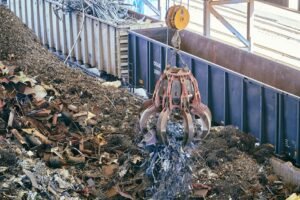
The journey from a discarded item to a raw material is a sophisticated industrial process. When you engage with a professional facility—such as those operating in south windsor scrap metal zones—the process begins with collection and sorting. Advanced facilities use X-ray fluorescence (XRF) analyzers and magnetic separation to ensure that batches are pure, as contamination can significantly lower the grade of a metal.
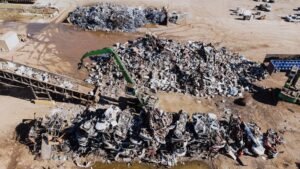
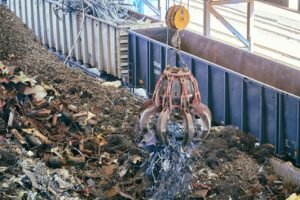
Once sorted, the metal is processed through shredding or shearing. Shredding breaks large items into smaller pieces, increasing the surface area for further cleaning and magnetic separation. Shearing involves cutting thick metal pieces into manageable sizes. After processing, the material is melted in furnaces. This step is critical because it removes impurities and allows the metal to be cast into ingots, billets, or rods. These raw forms are then sold back to manufacturers to create everything from new car parts to beverage cans. For those searching for Scrap Metal Recycling Near Me, choosing a facility that uses modern, clean-tech processing ensures that your scrap is being handled with the highest environmental standards.
Environmental Benefits of Metal Recycling
The environmental case for recycling is overwhelming. Extracting virgin ore—mining, crushing, and smelting—is one of the most energy-intensive and ecologically damaging activities on the planet. By recycling scrap metal, we drastically reduce greenhouse gas emissions. For example, recycling aluminium saves roughly 95% of the energy required to produce the same amount of aluminium from raw bauxite ore. This energy saving translates into a massive reduction in the carbon footprint of the manufacturing sector.
Furthermore, recycling preserves our natural resources. Metal is a finite resource; by keeping it in a continuous loop, we reduce the need for destructive mining operations that threaten biodiversity and water tables. When you choose to recycle your scrap, you are actively participating in the circular economy. If you are near the region, checking in with norman scrap metal can provide you with insights into how local businesses are contributing to these sustainability goals. Our platform, Scrap Trade, is dedicated to connecting users with the best resources to make this process seamless.
How to Prepare Your Scrap for Maximum Value
Preparation is the secret weapon of the professional scrapper. If you bring a mixed load of dirty, unseparated scrap to a yard, you will likely receive a lower price because the yard must invest labor to sort it. If you bring clean, sorted, and graded material, you are positioned to receive top-tier pricing.
- Strip the insulation: Copper wire is significantly more valuable when the plastic coating is removed.
- Remove non-metal attachments: Take off plastic handles, rubber seals, or wood attached to metal frames.
- Separate by alloy: Don’t mix brass with copper or stainless steel with mild steel.
- Clean your metals: Remove grease, oil, or paint where possible, as these contaminants can cause issues during the smelting process.
By following these steps, you demonstrate professionalism, which often leads to better relationships with yard managers. For more detailed guides on how to handle specific materials, visit Scrap Trade Australia for expert advice tailored to the Australian market.
The Future of Metal Trading in 2026 and Beyond
As we move deeper into 2026, the scrap metal industry is undergoing a digital transformation. Gone are the days of guessing prices or driving from yard to yard. Today, digital platforms allow for real-time price tracking and logistics coordination. This transparency is vital for the industry’s health. We are seeing a shift toward more sophisticated data analytics, where scrap yards can predict supply chain bottlenecks and adjust their procurement strategies accordingly.
For the individual trader, this means more power. You can now track market trends, understand the global factors influencing the price of steel or copper, and time your sales for maximum profit. The integration of blockchain technology for tracking the provenance of recycled metals is also on the horizon, ensuring that manufacturers can verify the sustainability of their supply chain. This transparency will only increase the value of recycled materials, making it an even more attractive industry for both investors and individuals.
Safety and Compliance in Scrap Handling
Working with scrap metal involves inherent risks, including sharp edges, heavy lifting, and exposure to hazardous materials like lead or asbestos in older machinery. Safety must always be your top priority. Always wear appropriate personal protective equipment (PPE), including heavy-duty gloves, steel-toed boots, and eye protection. Never attempt to dismantle items that may contain pressurized components or hazardous residues.
Compliance is equally important. Ensure that the scrap yard you choose is fully licensed and adheres to local environmental regulations. Illegal dumping or improper processing can lead to soil and groundwater contamination, which is why it is essential to work with reputable businesses. By choosing certified recyclers, you ensure that your waste is being handled in accordance with the law, protecting both your liability and the local environment.
Economic Impact of the Scrap Industry
The scrap metal industry is a cornerstone of the Australian economy. It supports thousands of jobs, from collection and logistics to high-tech processing and international trade. By recycling, Australia keeps valuable materials within its borders, strengthening our industrial independence. The export of processed scrap also contributes significantly to the balance of trade, demonstrating that what we often view as ‘trash’ is actually a high-value economic asset.
When you support local recycling initiatives, you are supporting the local economy. The money generated from scrap trading often stays within the community, funding further infrastructure and technological upgrades. It is a virtuous cycle that benefits everyone—from the individual who cleans their garage to the large-scale manufacturer who relies on high-quality recycled input materials to keep their production lines moving.
Conclusion: Taking Action Today
Recycling scrap metal is one of the most effective ways to contribute to a sustainable future while potentially generating a side income. By understanding the grades, preparing your materials, and engaging with reputable, professional yards, you can maximize your impact and your returns. Whether you are a small-scale recycler or a large business, the tools and information are readily available to help you succeed.
Don’t let your scrap go to waste. Start by auditing your current inventory, separating your ferrous and non-ferrous materials, and reaching out to local experts to discuss your options. The transition to a circular economy relies on the actions of individuals like you. For ongoing support, market updates, and expert guidance, continue to utilize the resources at our platform, ensuring you remain at the forefront of the scrap metal industry in Australia.
Related: south windsor scrap metal
Frequently Asked Questions
How do I know if my metal is ferrous or non-ferrous?
The easiest way to check is with a magnet. If the magnet sticks to the metal, it is ferrous (like steel or iron); if it does not stick, it is non-ferrous (like copper, aluminium, or brass).
Why is it important to clean my scrap metal before selling?
Cleaning your scrap removes contaminants like plastic, rubber, or oil. Clean metal is easier for recyclers to process and typically commands a higher price per kilogram than dirty, mixed scrap.
Does the price of scrap metal change daily?
Yes, scrap metal prices are commodities that fluctuate based on global supply and demand, currency exchange rates, and industrial manufacturing requirements. It is best to check current market rates before heading to the yard.
What happens to the metal after I drop it off at a scrap yard?
Once dropped off, the metal is sorted, shredded or sheared, and then melted down in high-temperature furnaces. The resulting molten metal is cast into ingots or billets, which are sold to manufacturers to create new products.