
Understanding scrap services is essential for businesses and individuals looking to participate in the circular economy. Whether you are a construction firm managing site waste or an industrial manufacturer looking to optimize your supply chain, knowing how to efficiently manage and Sell Scrap is a critical operational skill. This guide serves as an authoritative hub for everything related to metal recycling, from identifying grades to understanding the global market dynamics that drive the What Is Scrap Trade ecosystem.
The Fundamentals of Scrap Metal Grading
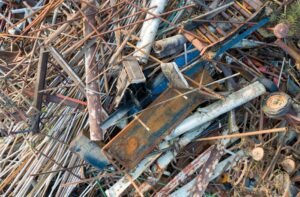
The value of your material is dictated by its grade. In the industry, metals are broadly categorized into ferrous and non-ferrous, each requiring distinct processing methods. Ferrous metals, such as iron and steel, contain carbon and are magnetic. Non-ferrous metals, including aluminium, copper, lead, and zinc, are highly valued for their resistance to corrosion and their infinite recyclability. When utilizing professional scrap services, it is vital to sort these materials correctly to maximize returns.
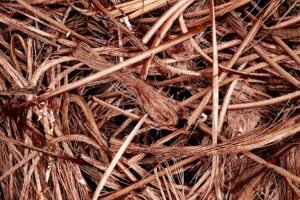
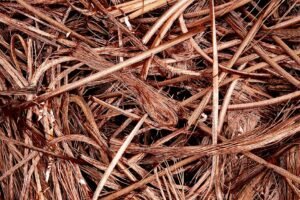
Copper, for instance, is graded based on purity and physical state. ‘Bright and Shiny’ copper wire is the gold standard, while ‘Burnt’ or ‘Insulated’ copper fetches lower prices due to the processing required to remove contaminants. Aluminium is similarly graded; ‘Extrusion’ (6063) is more valuable than ‘Cast’ aluminium or ‘Cans’. By understanding these grades, you can better navigate the Scrap market and ensure you are getting fair market value for your inventory. For large-scale industrial operations, our b2b scrap metal services provide the logistics and grading expertise necessary to handle high-volume waste streams efficiently.
How the Metal Recycling Process Works
The journey from a discarded machine to a new product is a sophisticated industrial process. It begins with collection and transportation. Once the metal arrives at a facility, it undergoes rigorous inspection to ensure no hazardous materials are present. The next stage is sorting, often utilizing advanced technology like X-ray fluorescence (XRF) analyzers and eddy current separators to distinguish between alloys. This is where specialized tools like a sim scrap analysis might be employed to verify chemical composition.
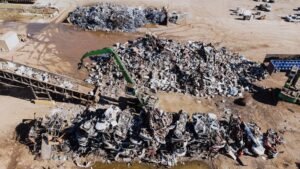
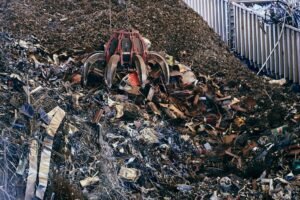
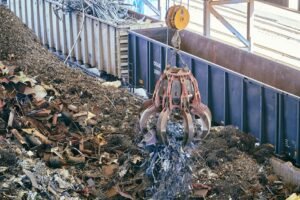
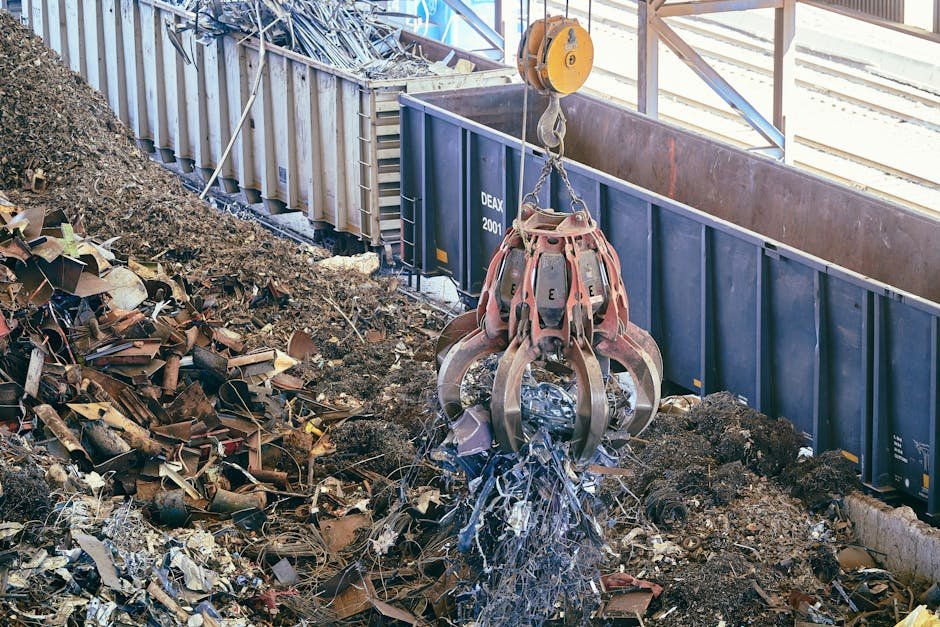
After sorting, the metal is shredded or sheared to reduce volume, making it easier to transport and melt. The shredded metal is then purified using magnetic separation for ferrous materials and air classifiers for lighter contaminants. The final stage is melting; the metal is placed in a furnace and heated until molten. This molten metal is then cast into ingots or billets, which are sold back to manufacturers. This closed-loop system is the backbone of modern industrial sustainability, proving that high-quality raw materials can be reclaimed indefinitely without losing their physical properties.
Environmental and Economic Benefits
The environmental impact of recycling cannot be overstated. Extracting virgin ore—mining, crushing, and refining—is an energy-intensive process that leaves a massive carbon footprint. By contrast, recycling aluminium saves approximately 95% of the energy required to produce it from bauxite ore. Steel recycling reduces greenhouse gas emissions by roughly 75% compared to primary production. These scrap services are not just about profit; they are a fundamental component of Australia’s commitment to lowering emissions.
Economically, the industry supports thousands of jobs and provides a steady supply of raw materials to the manufacturing sector. By diverting tons of waste from landfills, recycling facilities help municipalities manage waste more effectively. Businesses that engage in consistent recycling programs often see a reduction in disposal costs and can even generate a new revenue stream. If you are interested in how global recycling trends affect the local market, visit Scrap Trade for the latest industry insights and data.
Logistics and Site Management for Scrap
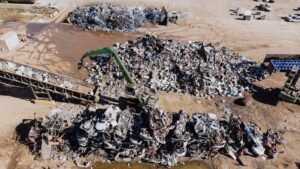
Effective scrap management on-site requires a strategic approach. For construction and demolition projects, the primary challenge is contamination. Mixing different grades of metal significantly lowers the value of the entire batch. Implementing a ‘source separation’ strategy, where different bins are provided for copper, aluminium, and steel, is the most effective way to optimize your returns. We recommend working with service providers who offer tailored bin placement and regular collection schedules.
Safety is also paramount. Handling heavy scrap requires proper protective equipment (PPE) and training. Sharp edges, heavy loads, and hazardous residues are common risks. Professional recycling partners should provide compliant, safe collection services that meet local environmental regulations. For those operating across multiple sites in Australia, coordinating with a national provider ensures consistency in reporting and recovery rates. You can find comprehensive resources for managing your metal waste at Scrap Trade Australia.
Global Market Dynamics and Pricing
The price of scrap is volatile, influenced by global supply and demand, commodity prices on the London Metal Exchange (LME), and shipping costs. When the construction industry in major economies like China or the US slows down, demand for steel and copper can drop, leading to price fluctuations. Conversely, a surge in demand for electric vehicles (EVs) has significantly increased the value of copper and lithium-ion batteries. Understanding these macro-trends helps businesses decide when to sell their accumulated stock.
Transparency is key in the scrap trade. Reliable partners will provide clear pricing structures based on current market indices. When negotiating contracts for b2b scrap metal services, ensure that your agreement includes clauses for price adjustments based on LME fluctuations. This protects both the buyer and the seller from extreme market swings and fosters a long-term, mutually beneficial relationship.
Future Trends: Technology and Sustainability
The future of the industry lies in ‘smart’ recycling. Artificial Intelligence (AI) and robotics are beginning to revolutionize the sorting process. AI-powered cameras can now identify different types of plastics and metals at high speeds, far exceeding the accuracy of human sorters. This technology will lead to higher purity levels in recycled metals, making them more attractive to high-end manufacturers in the aerospace and automotive sectors.
Furthermore, the shift toward a circular economy is driving policy changes. Governments are increasingly implementing ‘Extended Producer Responsibility’ (EPR) schemes, which hold manufacturers accountable for the end-of-life disposal of their products. This shift will likely increase the volume of scrap available for recycling, creating new opportunities for those already established in the scrap services sector. As we move toward a net-zero future, the role of scrap metal in providing sustainable, low-carbon raw materials will only grow in importance.
Practical Tips for Maximizing Scrap Value
To get the most out of your scrap, follow these professional tips: 1. Clean your metal. Removing non-metallic attachments like plastic, rubber, or wood can move your material from a ‘mixed’ grade to a ‘clean’ grade, which commands a higher price. 2. Sort by alloy. Don’t mix brass with copper or stainless steel with carbon steel. 3. Volume matters. Consolidating your scrap into larger loads can reduce transportation costs and often results in better pricing per ton. 4. Build a relationship. Working with a consistent buyer allows for better communication regarding market trends and potential price spikes. 5. Keep records. Tracking your scrap output helps in environmental reporting and identifying inefficiencies in your production line.
Conclusion: The Path Forward
The scrap industry is a vital pillar of the global economy, bridging the gap between waste and essential raw materials. By leveraging professional scrap services, businesses can not only improve their bottom line but also contribute significantly to a more sustainable future. Whether you are looking to Sell Scrap from a small workshop or manage industrial-scale waste, the principles of sorting, grading, and partnering with experts remain the same. As technology advances and the demand for recycled materials increases, those who prioritize efficient scrap management will be best positioned to thrive in the modern industrial landscape. Explore our resources to stay updated on the ever-evolving world of metal recycling and take the next step in optimizing your scrap operations today.
Frequently Asked Questions
What is the difference between ferrous and non-ferrous scrap?
Ferrous metals contain iron and are magnetic, such as steel and iron. Non-ferrous metals do not contain iron, are generally more valuable, and include materials like copper, aluminium, and brass.
How can I get the best price for my scrap metal?
The best way to maximize returns is to sort your metals by grade and ensure they are free of contaminants like plastic, wood, or dirt. High-volume, clean, and sorted loads always command the highest market prices.
Why is recycling scrap metal better for the environment?
Recycling metal consumes significantly less energy than mining and refining virgin ore. It also reduces the need for landfills and lowers greenhouse gas emissions associated with primary metal production.
What should I look for in a scrap metal service provider?
Look for a provider that offers transparent pricing, reliable logistics, and proper environmental certifications. A good partner will also provide guidance on how to better sort and store your scrap to increase its value.