
Navigating the complex landscape of scrap steel Erskine Park recycling requires a deep understanding of market dynamics, material classification, and the logistical efficiencies that drive the Australian circular economy. As Western Sydney continues to expand its industrial footprint, the demand for sophisticated metal recovery solutions has never been higher. Whether you are a construction firm clearing a site or a manufacturing plant generating consistent offcuts, understanding how to manage your ferrous waste is critical for both environmental compliance and financial optimization.
The Fundamentals of Ferrous Metal Recycling
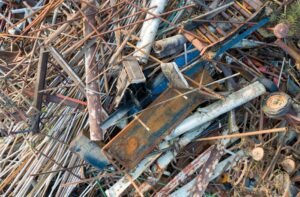
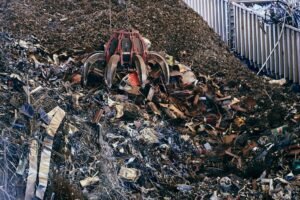
At the heart of the recycling industry lies the distinction between ferrous and non-ferrous metals. Ferrous metals, which include iron and steel, are the backbone of global infrastructure. Because steel is 100% recyclable without losing its inherent properties, it is the most recycled material on the planet. When we talk about scrap steel Erskine Park operations, we are primarily dealing with the collection of alloys containing iron, such as mild steel, carbon steel, and various structural grades.
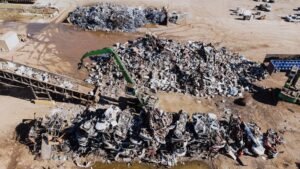
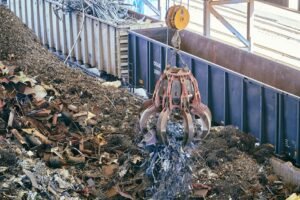
The recycling process begins with collection and transportation to specialized yards. Here, advanced sorting technologies—including magnetic separation and optical sensors—ensure that contaminants are removed. For industrial players, the efficiency of this process is paramount. Companies often seek professional Steel Scrap Baling Processing Services Australia to compact high volumes of loose scrap into dense, transportable bales, which significantly improves logistics and handling costs.
Understanding Steel Grades and Classification
Not all scrap is valued equally. The market relies on standardized grading systems to ensure that steel mills receive a consistent product that meets their specific metallurgical requirements. If you are looking to maximize your returns, you must understand the difference between high-quality structural steel and general light iron. A primary resource for industry participants is our guide on Steel Scrap Grading 1 Prepared 2 Prepared Shredded, which outlines the specifications required for premium pricing tiers.
Common grades include:
- Heavy Melting Steel (HMS): Often referred to as HMS 1 and 2, this is the industry standard for recycled steel. It consists of cut structural steel and plate.
- Sheet Metal: Thinner gauge steel often found in automotive bodies or appliances. While valuable, it requires baling to be processed efficiently.
- Mild Steel: The most common form of steel, prized for its versatility and ease of recycling.
- Turnings and Borings: By-products of machining processes that require specific handling due to their high surface area and potential for contamination.
By correctly segregating your scrap on-site, you avoid the “mixed load” penalty, ensuring you receive the best possible market rate for your material.
Market Dynamics and the Steel Price Per Tonne
The steel price per tonne is a volatile metric influenced by global supply chains, iron ore costs, and domestic manufacturing demand. In the Australian market, pricing is often pegged to the international benchmark, adjusted for local logistics and processing costs. For those involved in scrap steel Erskine Park activities, staying informed about these fluctuations is essential for cash flow management.
Factors affecting the price include the cleanliness of the material (absence of rubber, plastic, or concrete) and the volume of the delivery. Larger, consistent loads typically command better prices because they reduce the overhead costs associated with processing and transportation. Industry professionals often utilize the Scrap Trade platform to stay updated on current market trends and ensure they are receiving fair market value for their commodities.
The Environmental Imperative of Steel Recycling
Recycling steel is one of the most effective ways to reduce industrial carbon footprints. The production of virgin steel from iron ore is an energy-intensive process that involves mining, crushing, and high-temperature smelting. In contrast, recycling scrap steel consumes up to 75% less energy and significantly reduces CO2 emissions. By diverting steel from landfills, we preserve finite natural resources and reduce the environmental degradation caused by open-pit mining.
Furthermore, the circular economy model keeps high-value materials in the production loop. Whether it is one steel scrap metal or heavy-duty industrial beams, every tonne recycled helps the Australian manufacturing sector maintain a sustainable supply of raw materials. This process is not just about waste management; it is about resource stewardship.
Logistics and Site Management in Western Sydney
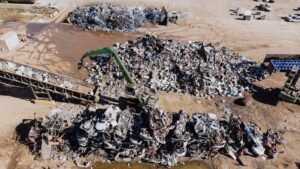
Erskine Park serves as a critical logistics hub for Sydney. For businesses operating in this region, efficient scrap management is a logistical challenge. Proper site management involves the strategic placement of bins, the implementation of sorting protocols, and the scheduling of timely collections. For those managing multiple sites, comparing regional services is vital; for instance, operators looking for services outside of the immediate area might compare their local findings with scrap metal hampton park to understand broader industry benchmarks and service levels.
Effective site management involves:
- Segregation at Source: Keeping different grades of metal separate prevents cross-contamination.
- Weight Management: Utilizing certified weighbridges to ensure accurate reporting and payment.
- Safety Compliance: Adhering to strict OHS standards when handling heavy metal objects and operating machinery.
For specialized requirements, such as high-grade alloy recovery, it is also important to monitor the Stainless Steel Scrap Price, as these materials often require different handling procedures compared to standard carbon steel.
Maximizing Your Returns: Practical Tips for Suppliers
To ensure you are getting the most out of your scrap recycling efforts, follow these expert tips:
- Clean your scrap: Removing non-metallic attachments like wood, plastic, or glass significantly improves the grade and value of your load.
- Sort by grade: Do not mix high-value alloys with low-value light iron.
- Volume matters: Accumulate enough volume to make transport efficient.
- Build a relationship: Partnering with a reputable recycling facility like Scrap Trade Australia provides you with consistent market intelligence and reliable service.
- Documentation: Keep accurate records of your scrap sales for tax and environmental reporting purposes.
The Future of Steel Recycling Technology
The industry is currently undergoing a digital and mechanical transformation. Innovations in artificial intelligence are allowing for automated sorting systems that can identify metal grades with near-perfect accuracy. Furthermore, the integration of blockchain in the supply chain is providing greater transparency regarding the origin and carbon footprint of recycled steel. As these technologies become more accessible, the efficiency of scrap steel recycling in hubs like Erskine Park will continue to improve, making the process even more economically viable for businesses of all sizes.
We are moving toward a future where “waste” is an outdated concept. Instead, every piece of steel is viewed as an asset waiting to be re-integrated into the manufacturing cycle. By embracing these advancements, companies can turn their scrap management programs into profit centers while contributing to a greener, more sustainable Australia.
Conclusion: Partnering for a Sustainable Future
Recycling is more than just a disposal method; it is a vital component of a modern, responsible business strategy. By understanding the nuances of scrap steel Erskine Park recycling, you empower your organization to make better financial decisions while supporting the national environmental agenda. From segregating your mild steel to utilizing professional baling services, every step you take contributes to a more efficient and sustainable supply chain. Stay informed, prioritize quality, and leverage expert resources to ensure your scrap operations are optimized for maximum value and minimal impact.
Frequently Asked Questions
What is the difference between ferrous and non-ferrous scrap?
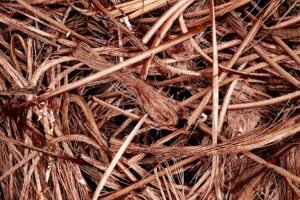
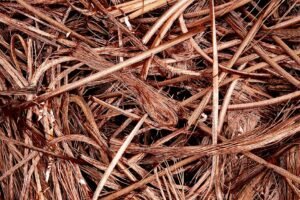
Ferrous metals contain iron and are magnetic, such as steel and iron. Non-ferrous metals do not contain iron and include materials like copper, aluminum, and brass, which generally hold a higher market value.
How can I get the best price for my scrap steel?
To get the best price, ensure your scrap is clean, free of contaminants like plastic or concrete, and sorted by grade. Larger volumes also typically command better rates due to lower transportation and processing overheads.
Why is it important to use professional baling services?
Professional baling services compress loose scrap metal into dense, uniform blocks. This increases transport efficiency, reduces logistics costs, and makes the material easier for steel mills to handle and melt.
Does the steel price per tonne change frequently?
Yes, the steel price per tonne is highly dynamic and fluctuates based on global supply and demand, the cost of raw iron ore, energy prices, and domestic manufacturing activity in Australia.