
When it comes to scrap steel recycling Seven Hills, both industrial operations and residential scrap collectors play a vital role in the circular economy of Western Sydney. Steel is the most recycled material on the planet, and for good reason—it can be melted down and reformed infinitely without losing its inherent properties. Whether you are a construction firm clearing a site or a homeowner with a pile of old appliances, understanding the logistics of the industry is the first step toward environmental stewardship and financial gain.
The Fundamentals of Ferrous Metal and Steel Grades
To succeed in the scrap business, you must first understand the distinction between ferrous and non-ferrous metals. Ferrous metals, which include iron and steel, contain carbon and are magnetic. This magnetic property is the primary way facilities in Seven Hills sort incoming material. Among these, mild steel is the most common form, characterized by its ductility and versatility in construction. Because it is used in everything from structural beams to car bodies, it forms the bulk of the recycling stream.
However, not all steel is created equal. The industry relies on strict classification systems to ensure that the material entering the furnace meets specific chemical requirements. If you are preparing material for a yard, it is essential to understand the differences between grades. For a detailed breakdown of how these materials are categorized, refer to our guide on Steel Scrap Grading 1 Prepared 2 Prepared Shredded. This classification helps yards determine the processing costs and the final utility of the metal, which directly influences the steel price per tonne you receive.
Beyond standard carbon steel, alloy steels and stainless variants require specialized handling. Stainless steel, for instance, contains chromium, which prevents rust and adds value. If you have high-grade stainless on hand, you should learn the nuances of Stainless Steel Recycling How To Sell Scrap For Maximum Profit to ensure you aren’t leaving money on the table. Keeping your materials separated by grade is the single most effective way to increase your total payout.
How the Recycling Process Works in Seven Hills
The journey from a discarded piece of sheet metal to a new structural component is a sophisticated industrial process. When you bring your materials to a facility for scrap steel recycling Seven Hills, the process typically follows four distinct stages: collection, sorting, processing, and melting. Upon arrival, the material is weighed on a certified weighbridge. This is where the steel price per tonne is applied based on the current market value of the specific grade.
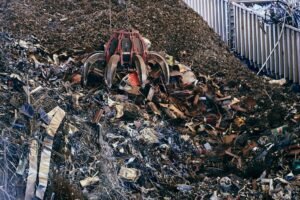
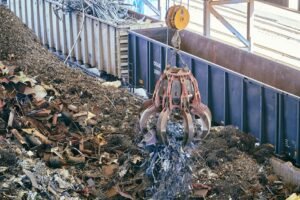
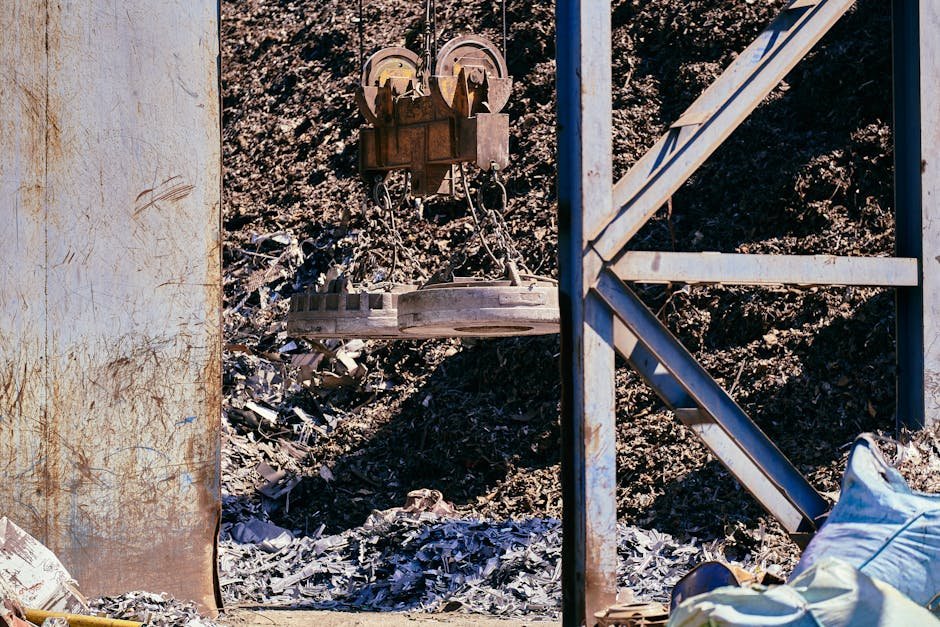
Once weighed, the material is sorted. While magnets are used for ferrous metals, advanced sensors and manual inspection are used to remove contaminants like plastic, rubber, or non-ferrous attachments. Contamination is the enemy of recycling; even a small amount of copper or lead in a batch of molten steel can ruin an entire heat. After sorting, the steel is processed. This may involve hydraulic shearing, where large beams are cut to size, or shredding, where complex items like automobiles are reduced to small, fist-sized chunks. These chunks are then passed over magnetic drums to separate the steel from other materials.
Finally, the clean scrap is transported to a foundry or a steel mill. Here, it is fed into an Electric Arc Furnace (EAF) or a Basic Oxygen Furnace. The steel is melted, refined, and cast into billets or slabs, which are then rolled into new products. This closed-loop system is highly efficient, requiring significantly less energy than producing steel from raw iron ore. For those looking to partner with a professional service, you can visit our main portal at Scrap Trade to find local solutions for all your metal needs.
The Economic and Environmental Benefits
The environmental impact of recycling steel is profound. Every tonne of steel recycled saves over a tonne of iron ore, 600kg of coal, and significant amounts of limestone. Furthermore, recycling steel uses approximately 75% less energy than producing new steel from virgin materials. In the context of Seven Hills, this means local businesses can significantly reduce their carbon footprint by participating in a robust recycling program.
Beyond the environmental perks, there is a strong economic incentive. The steel price per tonne is influenced by global demand, particularly in the automotive and construction sectors. When you recycle locally, you are supporting the Australian economy and ensuring that valuable resources remain within the country rather than being exported as waste. If you have other materials, remember that we also support scrap aluminium recycling seven hills and scrap copper recycling seven hills to help you maximize your site cleanup efforts.
For those managing large-scale projects, consistency is key. Working with a reliable partner like Scrap Trade Australia ensures that you have access to consistent pricing data and professional logistics support. By consistently recycling, you turn a waste management cost into a revenue stream, effectively subsidizing your project cleanup costs through the sale of scrap.
Understanding Market Volatility and Pricing
One of the most common questions we receive is why the steel price per tonne changes so frequently. The scrap market is a global commodity market, tethered to the price of iron ore and the demand for finished steel products. When construction booms in major cities, the demand for structural steel increases, which in turn drives up the price of scrap. Conversely, global economic downturns can lead to a surplus of supply and a subsequent dip in prices.
To stay ahead, it is important to monitor the market. Don’t wait until your yard is overflowing to sell. By keeping an eye on trends and understanding the Stainless Steel Scrap Price, you can time your sales to coincide with market peaks. Furthermore, the quality of your prep work matters. A load of clean, sorted, and prepared scrap will always command a higher price than a mixed, dirty load that requires the yard to spend time and money sorting it.
Practical Tips for Preparing Your Scrap
Preparation is the secret to getting the best value for your scrap steel recycling Seven Hills efforts. Follow these practical steps to streamline your experience:
- Segregation is King: Never mix your ferrous scrap with non-ferrous metals like copper or brass. The presence of non-ferrous material in a steel load often results in the entire load being downgraded to a lower price tier.
- Remove Non-Metal Attachments: If you are scrapping a piece of machinery, remove plastic hoses, rubber belts, and glass. The cleaner the metal, the higher the grade it will be classified as.
- Size Matters: If you have the equipment, cutting large, awkward pieces of steel into manageable sizes can make transport easier and sometimes allows the yard to classify the material as “prepared,” which often yields a better price.
- Maintain Records: For businesses, keep a log of the weight and type of scrap you sell. This helps in tracking your waste management KPIs and provides data for your environmental reporting.
- Safety First: Scrap metal can be sharp and heavy. Always wear appropriate PPE, including thick gloves and steel-toed boots, when handling or transporting heavy loads to the yard.
- Understand the Yard’s Requirements: Different yards have different capabilities. Some may have specific requirements for how they want material delivered (e.g., in bins versus loose). Always call ahead if you have a large or unusual load.
The Future of Steel Recycling in Australia
The future of scrap steel recycling Seven Hills is bright, driven by advancements in sorting technology and an increasing focus on sustainable construction practices. As Australia moves toward a net-zero future, the demand for “green steel”—steel produced using renewable energy—will only grow. Recycled steel is a critical component of this transition, as it is already significantly less carbon-intensive than virgin steel. Technologies like AI-driven optical sorting are also making it easier to identify and separate complex alloys, further increasing the purity and value of the recycled product.
As a business owner or individual in Western Sydney, you are on the front lines of this transition. By choosing to recycle rather than dump, you are participating in a global movement that values resource efficiency. Whether you are dealing with mild steel offcuts from a workshop or large quantities of sheet metal from a demolition site, your contribution matters. Keep your materials clean, stay informed about the market, and work with reputable local partners to ensure that your scrap contributes to a sustainable future.
Frequently Asked Questions
We understand that navigating the scrap metal market can be complex. Below are answers to some of the most common queries we receive regarding the industry in Seven Hills.
How can I maximize the amount I get paid for my scrap steel?
To maximize your returns, ensure your scrap is clean and free of contaminants like plastic, wood, or rubber. Sorting your metals by grade (e.g., separating mild steel from stainless steel) is the most effective way to secure the highest possible price per tonne.
Why is it important to separate ferrous and non-ferrous metals?
Ferrous metals contain iron and are magnetic, while non-ferrous metals do not. Because they are processed in different ways and have vastly different market values, mixing them can lead to your entire load being valued at the lowest common denominator, significantly reducing your profit.
What happens to the steel after I drop it off at the yard?
Once dropped off, the steel is weighed and sorted. It is then processed through shearing or shredding to remove contaminants. Finally, it is sent to a steel mill where it is melted in an electric arc furnace to be repurposed into new steel products.
Is there a minimum amount of scrap I need to bring in?
Most scrap yards in Seven Hills accept a wide range of quantities, from a single boot-load to large commercial skip-bins. However, for very small amounts, the time and fuel spent traveling may outweigh the financial return, so it is often better to collect a larger quantity before making a trip.
Frequently Asked Questions
How can I maximize the amount I get paid for my scrap steel?
To maximize your returns, ensure your scrap is clean and free of contaminants like plastic, wood, or rubber. Sorting your metals by grade (e.g., separating mild steel from stainless steel) is the most effective way to secure the highest possible price per tonne.
Why is it important to separate ferrous and non-ferrous metals?
Ferrous metals contain iron and are magnetic, while non-ferrous metals do not. Because they are processed in different ways and have vastly different market values, mixing them can lead to your entire load being valued at the lowest common denominator, significantly reducing your profit.
What happens to the steel after I drop it off at the yard?
Once dropped off, the steel is weighed and sorted. It is then processed through shearing or shredding to remove contaminants. Finally, it is sent to a steel mill where it is melted in an electric arc furnace to be repurposed into new steel products.
Is there a minimum amount of scrap I need to bring in?
Most scrap yards in Seven Hills accept a wide range of quantities, from a single boot-load to large commercial skip-bins. However, for very small amounts, the time and fuel spent traveling may outweigh the financial return, so it is often better to collect a larger quantity before making a trip.