
Navigating the complex landscape of scrap yard metal prices Sydney requires an understanding of both local logistics and global economic trends. As a seller, whether you are a tradesperson, a construction firm, or a household recycler, knowing exactly what your materials are worth is the first step toward maximizing your profit. The market is dynamic, and prices are rarely static; they shift in response to industrial demand, currency fluctuations, and the cost of transport.
Understanding How Scrap Yard Metal Prices Sydney Are Determined
The pricing structure for scrap metal is not arbitrary. It is a sophisticated reflection of the London Metal Exchange (LME) and local supply-demand dynamics. When you look up scrap yard metal prices sydney, you are seeing a snapshot of a much larger global machine. Several key factors dictate the price per kg or price per tonne you receive at a recycling depot.
First, global commodity prices set the ceiling. When manufacturing demand in Asia or Europe rises, the demand for Australian raw materials—like copper and aluminium—spikes. Second, the purity of your metal is paramount. A clean load of copper wire will always fetch a higher price than mixed, contaminated scrap that requires extensive processing. Third, transport and processing costs come into play. A metal recycler must account for the energy, labour, and logistics involved in moving heavy materials from the metal scrap yard near me to the final smelting facility. Ultimately, the market rate is a balance of these variables, adjusted for the overheads of the local yard.
The Importance of Metal Grades in Recycling
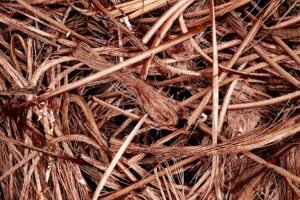
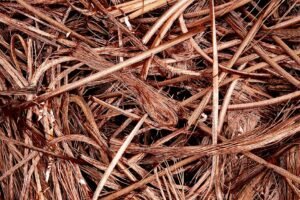
To get the best value, you must understand how metals are graded. Not all copper is created equal, and not all steel is treated the same way. When you visit a metal scrap yard near me, the staff will inspect your load to determine its grade. High-grade metals, such as Bright Shiny Copper or Millberry, are highly sought after because they require minimal refining. Lower-grade metals, such as dirty aluminium or rusted iron, are worth significantly less because they require more energy to purify.
For those looking for the most current information, our Scrap Metal Prices Near Me tool provides a breakdown of how different grades influence the final payout. It is essential to segregate your materials before arriving at the yard. By separating copper, brass, stainless steel, and lead, you prevent your high-value items from being downgraded to the price of mixed scrap. This simple practice can significantly increase the total price per tonne you receive.
How the Recycling Process Works
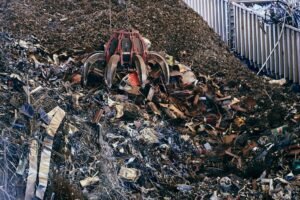
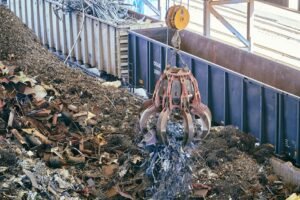
The recycling journey is a fascinating industrial process that turns waste into a valuable resource. Once you drop off your materials at a recycling depot, the facility begins the sorting phase. Modern yards use magnetic separation for ferrous metals (iron and steel) and advanced eddy-current separators for non-ferrous metals. Once sorted, the metal is shredded or sheared to reduce volume, making it easier to transport and melt.
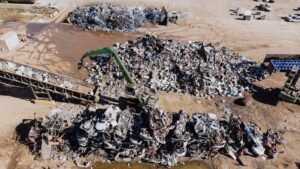
After shredding, the metal is often cleaned of impurities like plastic coatings or chemical contaminants. The resulting “clean” scrap is then pressed into dense bales, which are sold to refineries and foundries. These foundries melt the scrap down to create new ingots, which are then sold back to manufacturers. By choosing to buy and sell through reputable platforms like Scraptrade, you are contributing to a circular economy that reduces the need for destructive mining practices.
Environmental Benefits of Metal Recycling
Recycling metal is one of the most effective ways to reduce your environmental footprint. Mining for virgin ore is an energy-intensive and ecologically damaging process. It involves massive land disturbance, water pollution, and high carbon emissions. In contrast, recycling existing metal requires a fraction of the energy. For instance, recycling aluminium saves approximately 95% of the energy required to produce it from bauxite ore.
Furthermore, metal can be recycled indefinitely without losing its structural integrity. This makes it a permanent material, rather than a disposable one. When you engage with a professional metal recycler, you are helping to divert thousands of tonnes of waste from landfills, preserving natural landscapes, and reducing the greenhouse gas emissions associated with primary metal production. It is a tangible way to support sustainability in Sydney.
Strategic Tips for Maximizing Your Payout
If you want to ensure you are getting the best scrap yard metal prices sydney, timing and preparation are everything. First, keep an eye on metal prices today. Markets can fluctuate, and holding onto large quantities of scrap until prices peak can lead to a significant difference in your bottom line. Second, build a relationship with your local yard. If you are a regular supplier, some yards may offer better rates or more efficient service.
Third, cleanliness is king. As mentioned, removing insulation from wires, taking out non-metallic attachments, and ensuring your scrap is free of oil or dirt will move your material into a higher price bracket. Always ask for a breakdown of your load. Professional yards should be transparent about how they calculated your total. For more expert insights on navigating the market, visit the official portal for scrap trading to stay informed on industry shifts.
The Future of Metal Trading in Australia
The scrap metal industry in Australia is undergoing a digital transformation. Gone are the days of guessing the value of your scrap. Today, technology allows for real-time tracking and price transparency. As the demand for sustainable materials grows, the role of the recycling depot becomes even more critical. We are seeing increased investment in automated sorting technology, which allows for higher recovery rates of rare earth metals and complex alloys.
This growth is good news for the consumer. As the industry becomes more efficient, the ability to accurately value and trade scrap becomes more accessible. Whether you are a small business owner or an individual with a garage full of old copper piping, the market is more open than ever before. Understanding the market rate is no longer just for industry insiders; it is a tool for anyone looking to make the most of their waste materials.
Common Pitfalls to Avoid
One of the biggest mistakes beginners make is failing to separate their metals. When you bring a mixed load, the yard will often default to the price of the lowest-value material in the pile. Don’t let your high-value copper be undervalued just because it’s tangled with steel. Another mistake is ignoring the cost of transport. If you are driving a long distance to reach a yard, ensure the price per kg you are getting offsets your fuel costs. Always use our Metal Scrap Yard Near Me directory to find the closest facility to minimize your overheads.
Lastly, be aware of safety. Scrap metal can be sharp, heavy, and sometimes hazardous. Always wear appropriate PPE, including gloves and steel-toed boots, when handling scrap. Ensure your load is secured during transport to prevent accidents on the road. By combining safety, preparation, and market knowledge, you can turn a chore into a profitable enterprise.
Conclusion: Taking Action in the Scrap Market
Engaging with the scrap metal market is a smart economic and environmental decision. By staying informed about metal prices today and understanding the grading system, you can ensure you are getting the best possible value for your materials. Whether you are looking for a reliable metal recycler or simply want to understand the broader market, the resources available to you are extensive. Start by sorting your materials, checking current rates, and visiting a local yard. Every piece of metal you recycle is a step toward a more sustainable future for Sydney and beyond.
Related: scrap yard metal prices
Related: scrap metal prices sydney
Frequently Asked Questions
How often do scrap metal prices change?
Scrap metal prices fluctuate daily based on global market conditions, including the London Metal Exchange rates and local supply-demand factors. It is best to check current prices on the day you plan to sell.
Does the purity of my scrap metal affect the price?
Yes, purity is the most significant factor in determining the value of your scrap. Clean, sorted metals that are free from contaminants like plastic, rubber, or other metals will always command a higher price per kilogram.
Why should I separate my scrap metal before going to the yard?
Separating your metals ensures that you are paid the correct rate for each material. If you bring a mixed load, the yard may value the entire batch at the price of the lowest-grade metal present.
What is the most valuable type of scrap metal?
Non-ferrous metals like copper, brass, and aluminium are generally the most valuable. Among these, clean copper wire or tubing is typically the highest-priced item at most recycling depots.