
When searching for a reliable scrap yard Minto, it is essential to understand the complex ecosystem of metal recycling. As industrial growth continues in South West Sydney, the demand for efficient, transparent, and environmentally responsible metal processing has never been higher. Whether you are a local tradie clearing out a job site or a homeowner looking to dispose of old appliances, finding a reputable facility is the first step toward responsible waste management. Many residents often search for a Metal Scrap Yard Near Me to ensure they are dealing with a local, compliant, and efficient operator.
Understanding Metal Grades: Ferrous vs. Non-Ferrous
The foundation of the scrap metal industry lies in the classification of materials. Understanding these grades is critical for anyone looking to optimize their returns at a scrap yard Minto. Metals are generally categorized into two primary groups: ferrous and non-ferrous.
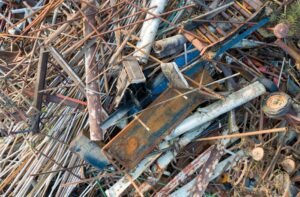
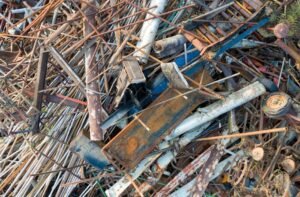
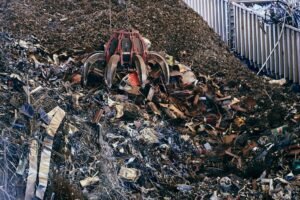
Ferrous Metals: These contain iron and are magnetic. They are the most common materials found in construction and demolition waste. Common examples include structural steel, cast iron, and light iron (such as old roofing or appliances). While ferrous metals are abundant, they often require significant processing to remove contaminants like plastic, wood, or concrete before they can be melted down.
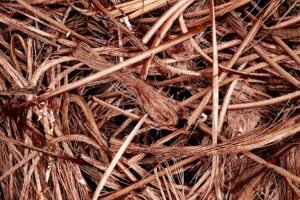
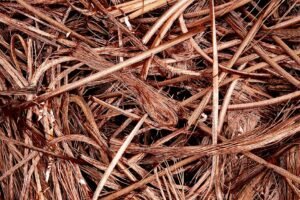
Non-Ferrous Metals: These are highly prized in the recycling industry due to their durability and the fact that they can be recycled indefinitely without losing their properties. This category includes copper, aluminium, brass, lead, and stainless steel. Because these metals are rarer and more energy-intensive to mine from raw ore, a professional metal recycler will pay significantly higher rates for them. Knowing how to sort your metals before arriving at the yard can drastically increase your payout.
If you are located in nearby suburbs, you might also consider visiting a scrap yard leppington or a scrap yard ingleburn, both of which operate under similar professional standards to ensure that your materials are handled according to environmental regulations.
The Lifecycle of Metal: How Recycling Works
The journey from a discarded piece of metal to a new product is a fascinating industrial process. When you bring your materials to a scrap yard Minto, you are participating in a global supply chain that reduces the need for virgin mining.
The process typically follows these stages:
- Collection and Sorting: Once materials reach the scrap trading platform, the first step is weighing and sorting. Advanced technology, such as X-ray fluorescence (XRF) analyzers, is often used to determine the exact chemical composition of the metal.
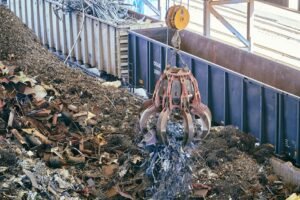
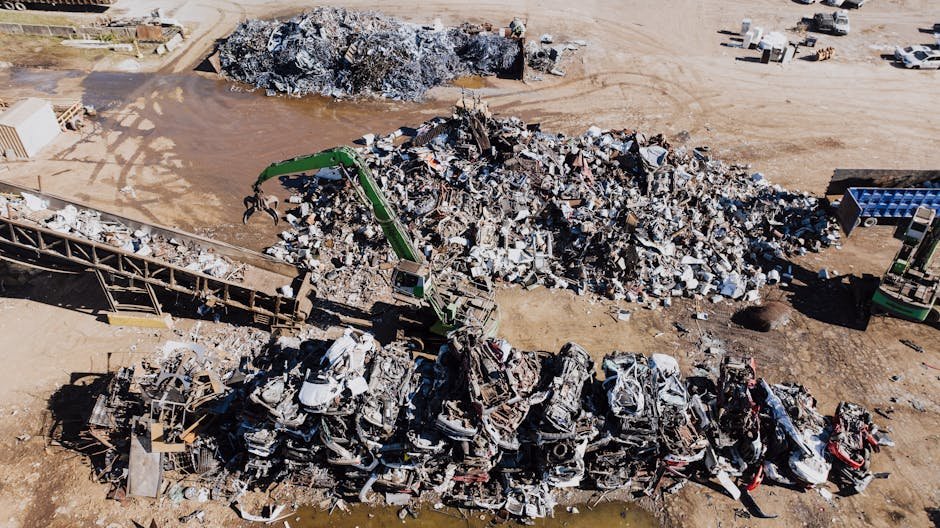
- Processing: Large-scale machinery, including hydraulic shears, shredders, and balers, is used to reduce the size of the metal. This makes it easier to transport and ensures it fits into melting furnaces.
- Melting and Purification: The processed scrap is sent to a furnace where it is melted at high temperatures. During this phase, impurities are removed, and the molten metal is poured into ingots or billets.
- Manufacturing: These ingots are sold to manufacturers to create everything from new car parts and beverage cans to structural beams for skyscrapers.
By keeping this loop closed, we save vast amounts of energy. For instance, recycling aluminium saves approximately 95% of the energy required to produce the same amount of aluminium from raw bauxite ore.
Why Choose a Professional Recycling Depot?
Choosing the right partner for your scrap metal needs is about more than just the price per kilo. A professional recycling depot offers safety, compliance, and accurate weighing services that ensure you are treated fairly. Many people find that partnering with established entities like Crg Scrap Yard provides peace of mind, as these facilities adhere to strict environmental standards and safety protocols.
When you arrive at a facility, you should expect a clean, organized environment. A high-quality yard will have clear signage for different materials, making it easy for you to drop off your load. Furthermore, if you are a regular trader, you should look for a facility that offers a walk-in service that is efficient and minimizes your downtime. If you are looking for a partner that values transparency and long-term relationships, you should explore Zores Scrap Yard Your Trusted Destination For Scrap Metal to see how they integrate customer service with industrial-scale logistics.
Environmental Benefits of Metal Recycling
The environmental impact of the scrap metal industry is profound. Mining for virgin ore is one of the most environmentally destructive activities on the planet, involving massive deforestation, water pollution, and the release of greenhouse gases. By choosing to recycle, you are directly contributing to a lower carbon footprint.
Recycling metal significantly reduces the need for landfill space. In Australia, the government is increasingly focused on the circular economy, where waste is viewed as a resource. When you bring your scrap to a yard, you are preventing hazardous materials from leaching into the soil and groundwater. Furthermore, the energy savings achieved through recycling metal mean that fewer fossil fuels are burned in the production of new goods, directly combating climate change.
Practical Tips for Maximizing Your Scrap Value
To get the best return for your effort, preparation is key. Here are some expert tips for your next visit:
- Clean Your Scrap: Removing non-metal attachments like rubber, wood, or plastic can significantly increase your grade and payout.
- Sort Before You Arrive: Don’t mix your copper with your steel. Separating your metals into distinct bins or bags makes the weighing process faster and ensures you get the highest rate for each material type.
- Know the Market: Metal prices fluctuate daily based on global demand. Keeping an eye on the London Metal Exchange (LME) can give you an idea of market trends.
- Safety First: Always wear appropriate PPE, including gloves and steel-toe boots, when handling scrap. Sharp edges and heavy loads present significant risks.
The Future of Metal Trading in Australia
As we move toward a more sustainable future, the role of the scrap yard is evolving. Technology is playing a larger role in how we buy and sell metals. Digital platforms are now allowing for real-time pricing and better logistics, making the entire industry more transparent. The integration of data analytics means that recyclers can better predict supply and demand, ensuring that the recycling infrastructure remains robust enough to handle the volume of scrap generated by Australia’s growing urban centers.
Innovation in sorting technology, such as robotic arms and AI-driven image recognition, is also making the process faster and more accurate. This means that even complex scrap, which was previously considered waste, can now be processed and recovered. This evolution ensures that the industry remains a vital pillar of the Australian economy, supporting jobs and providing a sustainable alternative to traditional resource extraction.
Safety and Compliance Standards
Operating a scrap yard is a highly regulated activity. Facilities must comply with strict environmental protection agency (EPA) guidelines regarding the storage and processing of materials. This includes managing stormwater runoff, preventing chemical leaks, and ensuring that hazardous materials like lead-acid batteries or gas cylinders are handled by licensed professionals. When you choose a reputable yard, you are supporting a business that invests in these critical safety measures, which protects the local Minto community and the surrounding environment.
Always ensure that the facility you visit is fully licensed and insured. A professional operator will have clear safety protocols for customers entering the yard, including designated drop-off zones and pedestrian pathways to separate people from heavy machinery. Never attempt to drop off prohibited items like sealed containers, radioactive materials, or hazardous waste without checking with the yard staff first.
Conclusion: Your Role in the Circular Economy
The scrap metal industry is an unsung hero of the modern world. By choosing to recycle your metal waste at a scrap yard Minto, you are doing more than just earning a bit of extra cash—you are actively participating in the preservation of our natural resources. Whether you are a large-scale industrial contractor or a local resident clearing out the garage, every kilogram of metal that is recycled counts toward a more sustainable and efficient future. Remember to sort your materials, stay safe, and choose a partner that values both the environment and your business. By working together, we can ensure that Australia remains at the forefront of the global circular economy, turning today’s waste into tomorrow’s infrastructure.
Frequently Asked Questions
What is the most valuable metal I can bring to a scrap yard?
Generally, non-ferrous metals like copper, brass, and aluminium command the highest prices. Copper, in particular, is highly sought after due to its conductivity and demand in the electrical and plumbing industries.
Do I need to clean my scrap metal before bringing it in?
Yes, cleaning your scrap by removing non-metal attachments like plastic, wood, or rubber will help you get a better price. It allows the yard to classify the material as ‘clean’ rather than ‘dirty’ or ‘contaminated,’ which often results in a higher payout.
Are there items that a scrap yard will not accept?
Most yards will not accept hazardous materials, sealed gas cylinders, radioactive materials, or items containing asbestos. Always call ahead if you are unsure about a specific item to ensure it complies with safety and environmental regulations.
How often do scrap metal prices change?
Scrap metal prices fluctuate daily or weekly based on global market conditions, including demand from manufacturing hubs and the current price of raw commodities on the London Metal Exchange. It is a good idea to check current trends before bringing in large loads.