
Navigating the landscape of scrapyards in Gibraltar requires a deep understanding of how this unique territory manages its metallic waste streams. Because Gibraltar is a small, densely populated peninsula, the logistics of waste management are highly specialized, often relying on efficient transit to international processing facilities. For businesses and individuals operating here, identifying reliable scrapyards in Gibraltar is the first step in ensuring that ferrous and non-ferrous materials are diverted from landfills and repurposed into the global supply chain. When you evaluate the operational capacity of these facilities, you must consider their ability to handle diverse material grades, their compliance with European and international environmental standards, and their logistical reach. Whether you are dealing with end-of-life vehicles, construction demolition waste, or high-value copper wiring, the infrastructure of scrapyards in Gibraltar is designed to categorize these inputs for maximum recovery value.
Understanding Metal Grades and Classification
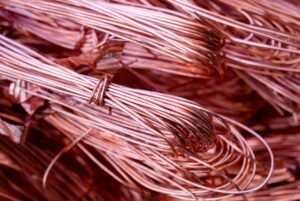
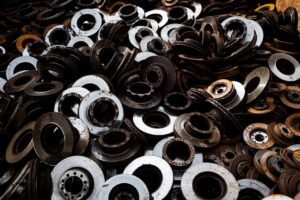
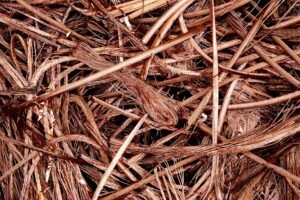
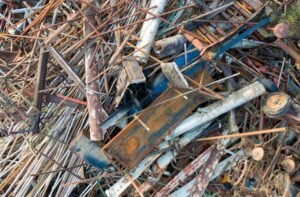
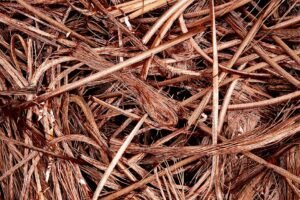
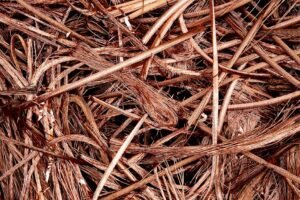
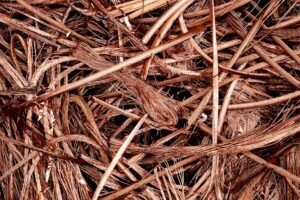
The profitability of scrap recycling hinges entirely on the accurate classification of metal grades. In the professional industry, metals are split into two primary categories: ferrous and non-ferrous. Ferrous metals, which contain iron, are magnetic and generally lower in value per kilogram but higher in volume. These include cast iron, structural steel, and light iron from appliances. Conversely, non-ferrous metals—such as copper, aluminum, lead, zinc, and brass—are highly sought after due to their infinite recyclability without loss of quality. In Gibraltar, the sorting process is precise. Copper, for example, is graded by its purity, with ‘bright and shiny’ copper wire commanding the highest market rates compared to ‘burnt’ or ‘insulated’ grades. Aluminum is similarly categorized into extrusions, sheets, and cast pieces. To maximize your returns, you must ensure your scrap is clean, free of contaminants like plastic or rubber, and sorted by alloy type. Utilizing global trading platforms like scrap.trade can provide you with real-time insights into how these specific grades are being priced and traded internationally, allowing you to benchmark your local sales against global market trends. Understanding these distinctions is not merely for profit; it is the cornerstone of efficient facility management and resource recovery.
The Mechanics of the Recycling Process
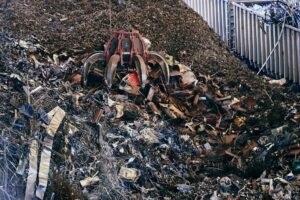
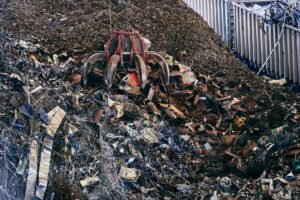
Recycling at a scrapyard is a sophisticated industrial process that transforms raw waste into valuable secondary raw materials. Upon arrival at a facility, materials are weighed on certified scales to establish a baseline for payment. The next phase is inspection and triage. Radiation detection is a standard safety protocol in modern yards to ensure that no hazardous materials enter the furnace stream. Once cleared, the metals undergo mechanical processing. Ferrous metals are often shredded to remove non-metallic impurities, then passed through magnetic separators to isolate the iron and steel. Non-ferrous metals require more manual labor or advanced sensor-based sorting, such as X-ray fluorescence (XRF) analyzers, which identify the exact chemical composition of alloys. This technology ensures that high-grade aluminum or copper is not downgraded by the presence of lower-value contaminants. Once processed, the materials are baled or compacted into high-density cubes for efficient shipping. This densification is essential for Gibraltar, as it minimizes the shipping volume and optimizes the cost of transport to major smelters. For those looking to understand how these processes compare to larger-scale operations, studying the methodologies used at scraptrade.com.au reveals how advanced automation is increasingly replacing manual sorting to increase the purity of output grades, a standard that local yards are increasingly adopting to remain competitive.
Environmental Benefits and Regulatory Compliance
The environmental impact of recycling scrap metal is profound, representing one of the most effective ways to reduce carbon emissions and preserve natural resources. Extracting virgin ore is an energy-intensive process that involves mining, crushing, and smelting, all of which have a massive carbon footprint. By contrast, recycling steel consumes approximately 75% less energy than producing it from raw ore, while recycling aluminum saves up to 95% of the energy required for primary production. In the context of Gibraltar, where space is a premium and environmental preservation is a high priority, local scrapyards play a vital role in preventing metallic waste from accumulating in landfills or the marine environment. Furthermore, these facilities operate under strict waste management protocols that ensure oils, refrigerants, and other hazardous components found in machinery or vehicles are captured and disposed of safely. This prevents soil and water contamination, which is critical for a coastal territory. Compliance with international standards, such as ISO 14001, is increasingly common among reputable yards, demonstrating a commitment to environmental stewardship that goes beyond simple profit motives. By choosing to work with certified recycling partners, you are directly contributing to the reduction of global mining demand and supporting a circular economy that prioritizes the longevity of materials.
Logistics and the Circular Economy
Logistics define the success of scrap operations in a territory like Gibraltar. Because the region is a gateway between the Mediterranean and the Atlantic, it is uniquely positioned to act as a node in the global scrap trade. However, this also means that local scrapyards must be experts in export logistics. The process involves coordinating with shipping lines to move containerized scrap to major processing hubs in Europe or Asia. This requires meticulous documentation, including waste shipment notifications and certificates of origin, to ensure compliance with the Basel Convention and other international treaties governing the movement of hazardous and recyclable materials. When you engage with a scrapyard, you are participating in a global supply chain where your scrap metal might eventually become part of a new vehicle, a building structure, or a consumer appliance. The efficiency of this chain depends on the speed and accuracy with which local yards can process and ship material. By maintaining a steady flow of high-quality, sorted scrap, these facilities ensure that the material is always available to meet the demands of global manufacturers who rely on recycled content to meet their own sustainability targets. This interconnectedness is the essence of the circular economy, where the ‘waste’ of one industry becomes the ‘input’ for another, effectively decoupling economic growth from the consumption of finite natural resources.
Best Practices for Scrap Sellers
To get the most out of your interactions with scrapyards, preparation is key. First, always segregate your metals before arriving at the yard. Mixing copper with steel significantly reduces the value of the load because the yard will have to spend time and money separating it. If you are a business generating regular scrap, consider investing in a basic magnetic separator or a handheld metal analyzer if your volumes are high enough. Second, build a relationship with the yard manager. Professional yards value consistent, high-quality suppliers who follow safety protocols. Being transparent about the source of your scrap—whether it is construction demolition or office equipment—helps the yard manage their own regulatory reporting requirements. Third, keep records of your transactions. This is essential for your own accounting and for proving the legal origin of your materials, which is an increasingly important part of corporate social responsibility. Finally, stay informed about market prices. Metal prices are volatile and influenced by global events, currency exchange rates, and manufacturing demand. By tracking these trends, you can time your sales to coincide with market peaks, maximizing your revenue while ensuring that your scrap is handled by the most capable and environmentally responsible facilities in the region.
The Future of Metal Recycling in Gibraltar
The future of the scrap industry in Gibraltar is inextricably linked to technological advancement and global sustainability mandates. As the world moves toward net-zero emissions, the demand for recycled metals will only increase. We are seeing a shift toward ‘smart’ recycling, where the internet of things (IoT) and artificial intelligence are used to track the lifecycle of metals from production to disposal. This could eventually lead to a system where every piece of metal is tagged, making it easier to identify and recycle at the end of its life. For Gibraltar, this means that local scrapyards will likely invest in more sophisticated sorting technologies to handle the increasing complexity of modern waste, such as electronic scrap containing rare earth elements. Furthermore, the focus on ‘urban mining’—the process of recovering valuable materials from city-based waste—will become more prominent. Gibraltar, with its concentrated urban footprint, is an ideal candidate for such initiatives. By fostering a culture of recycling and supporting the infrastructure of local scrapyards, the community can lead the way in sustainable resource management, turning waste into a reliable source of economic and environmental value for years to come.
Frequently Asked Questions
What is the most valuable metal I can take to a scrapyard?
Copper is consistently the most valuable non-ferrous metal, particularly when it is clean, uninsulated, and free of contaminants. Other high-value materials include brass, bronze, and certain grades of stainless steel.
Do I need to clean my scrap metal before bringing it to the yard?
Yes, cleaning and sorting your scrap metal significantly increases its value. Removing attachments like plastic, rubber, wood, or non-metallic components ensures you receive the top-tier price for the specific alloy grade.
How do scrapyards determine the price they pay for my metal?
Scrapyards set prices based on global commodity market rates, the purity of the metal, and the current demand from smelters and manufacturers. Prices fluctuate daily, so it is best to check current market trends before selling.
Why is it important to use a licensed scrapyard?
Licensed scrapyards operate under strict environmental and safety regulations, ensuring that hazardous materials are handled correctly and that waste is processed according to legal standards. This prevents pollution and guarantees that your materials are recycled responsibly.