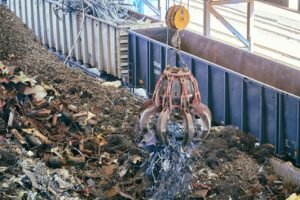

Effective steel collection is the backbone of Australia’s scrap metal recycling industry, turning discarded ferrous metal into a valuable commodity while reducing the need for virgin ore extraction.
1. Overview of Steel Collection in Australia
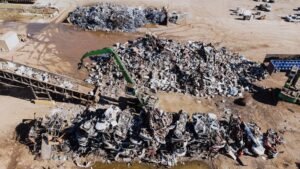
Australia produces roughly 12 million tonnes of steel each year, and a significant proportion ends up as scrap. The collection network comprises commercial haulers, local drop‑off points, construction sites, demolition contractors and household contributors. Each stakeholder plays a role in feeding the recycling loop, which not only conserves energy but also complies with stringent environmental regulations. Understanding the flow—from source to processor—helps businesses optimise logistics, meet compliance, and capture the best steel price per tonne.
2. Types of Ferrous Metal Commonly Collected
Not all steel is created equal. The most prevalent categories in the Australian market include:
- Mild steel: Low‑carbon alloy used in structural beams, rebar and general fabrication.
- Sheet metal: Flat‑rolled product ranging from thin gauge automotive panels to heavy‑gauge industrial plates.
- Stainless steel: High‑grade alloy, often identified by series such as 304 or 316, prized for corrosion resistance.
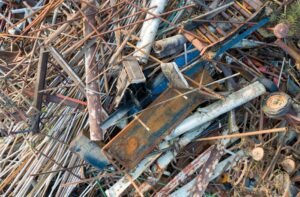
- Scrap steel: Mixed ferrous material that may be contaminated with paint, oil or non‑metallic debris.
Each type commands a different market value, and proper segregation at the collection point maximises revenue. For detailed pricing on stainless alloys, see our Stainless Steel Scrap Price guide.
3. Grading and Preparation Standards
Australian recyclers use a grading system to classify steel based on cleanliness, size and form. The most common grades are:
- Grade 1 – Prepared: Clean, uncoated steel stripped of non‑metallic contaminants.
- Grade 2 – Prepared Shredded: Shredded to a uniform size, facilitating furnace feeding.
Adhering to these standards reduces processing costs and improves furnace efficiency. For a full breakdown, visit our Steel Scrap Grading 1 Prepared 2 Prepared Shredded page.
4. Market Dynamics and Steel Price per Tonne
The price of scrap steel fluctuates with global commodity markets, exchange rates and domestic demand. In 2024, the average steel price per tonne for clean mild steel hovered around AU$250‑$300, while premium stainless grades fetched AU$800‑$1,200 per tonne. Factors influencing price include:
- International steel production levels (China, India, EU).
- Domestic construction activity and infrastructure spending.
- Energy costs, because melting scrap is energy‑intensive.
- Regulatory changes affecting landfill disposal fees.
Keeping an eye on market reports and maintaining a transparent relationship with your processor can help you lock in favourable rates.
5. Practical Collection Methods and Logistics
Successful steel collection hinges on efficient logistics. Below are proven strategies used by leading Australian haulers:
- Scheduled Pick‑ups: Contractual weekly or bi‑weekly collections for construction sites minimise downtime.
- Mobile Drop‑off Bins: Portable containers placed at high‑traffic locations (e.g., industrial estates) encourage small‑scale contributors.
- Load‑Optimization Software: Route‑planning tools reduce fuel consumption and improve on‑time performance.
- Safety Protocols: Mandatory PPE, lock‑out/tag‑out procedures and proper lifting techniques prevent injuries.
When planning a collection program, align your schedule with the processor’s intake windows. Many facilities require deliveries during off‑peak hours to avoid bottlenecks.
6. Environmental and Regulatory Considerations
Australia’s Environment Protection and Biodiversity Conservation Act (EPBC) and state‑specific waste‑management laws govern steel collection. Key compliance points include:
- Documenting the source and weight of each load for traceability.
- Ensuring that hazardous contaminants (e.g., lead‑based paint) are removed before transport.
- Maintaining a licence for transporting waste under the National Environment Protection Measure (NEPM) for Waste.
Adhering to these regulations not only avoids fines but also enhances your reputation as a responsible recycler. Moreover, proper segregation reduces landfill diversion, contributing to Australia’s target of 70% recycling by 2030.
7. Maximising Revenue and Best Practices
To extract the highest possible value from your steel collection operations, consider the following best practices:
- Segregate Early: Separate ferrous from non‑ferrous and isolate high‑grade stainless before it mixes with lower‑value scrap.
- Maintain Cleanliness: Remove oil, grease, and coatings; clean steel fetches up to 15% higher prices.
- Invest in Shredding: On‑site shredders turn bulky pieces into uniform feedstock, qualifying for Grade 2 pricing.
- Leverage Market Data: Use real‑time price dashboards to negotiate contracts when market conditions are favourable.
- Partner with Certified Processors: Certified facilities often pay premium rates for verified, high‑quality scrap.
For a broader view of the collection ecosystem, explore our Scrap Metal Collection resource. Additionally, you can learn more about specific stainless alloys by visiting the pages for stainless steel sa and s steel 316.
Finally, if you are looking for a trusted marketplace to list your steel scrap, Visit Scrap Trade for more resources or Explore ScrapTrade Australia for localized services.
Frequently Asked Questions
What is the difference between Grade 1 and Grade 2 steel scrap?
Grade 1 (Prepared) steel is clean, free of non‑metallic contaminants and ready for direct furnace charging. Grade 2 (Prepared Shredded) has been shredded to a uniform size, which improves handling efficiency but may carry a slightly lower price due to processing.
How often should construction sites schedule steel collection?
Most contractors schedule weekly or bi‑weekly pick‑ups to keep sites clear and avoid excess storage costs. Aligning with the processor’s intake windows ensures smoother logistics and better pricing.
Are there penalties for mixing stainless steel with mild steel scrap?
Yes. Mixing high‑grade stainless with lower‑grade mild steel dilutes the overall quality, often resulting in a reduced price per tonne and possible rejection by the processor. Separate collection is essential for premium rates.
What licences are required for transporting steel scrap in Australia?
Transporters must hold a licence under the National Environment Protection Measure for Waste and comply with state‑specific waste‑transport regulations. Documentation of weight, source and destination is also mandatory.