
Copper cable recycling Bankstown is a vital component of Australia’s circular economy, addressing both environmental sustainability and industrial demand. Copper, a finite resource, is infinitely recyclable without losing its quality, making its recovery essential for reducing mining impacts and conserving energy. In Bankstown, a hub for scrap metal recycling, specialized services streamline the collection, sorting, and refining of copper cables, catering to residential, commercial, and industrial clients. This guide explores the types of copper processed, industry best practices, and actionable tips for maximizing returns from copper cable recycling Bankstown.
Why Copper Cable Recycling Matters in Bankstown
Bankstown’s strategic location in Sydney’s southwest positions it as a key center for copper recycling in New South Wales. The region’s industrial base, including construction, electronics, and telecommunications sectors, generates significant volumes of copper waste. Recycling these materials prevents hazardous components in cables—such as lead sheathing or flame retardants—from contaminating landfills. According to the Australian Government’s Department of Agriculture, Water and the Environment, recycling copper reduces energy consumption by up to 85% compared to primary production. For businesses and individuals in Bankstown, partnering with reputable recyclers ensures compliance with environmental regulations while generating revenue from copper cable recycling Bankstown.
Types of Copper Processed in Bankstown
Local recyclers handle a wide range of copper materials, including but not limited to:
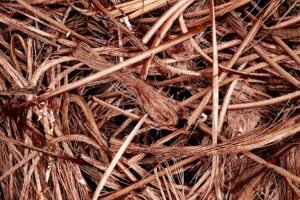
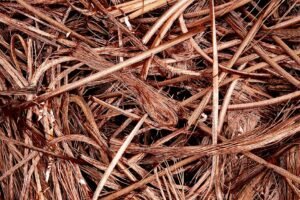
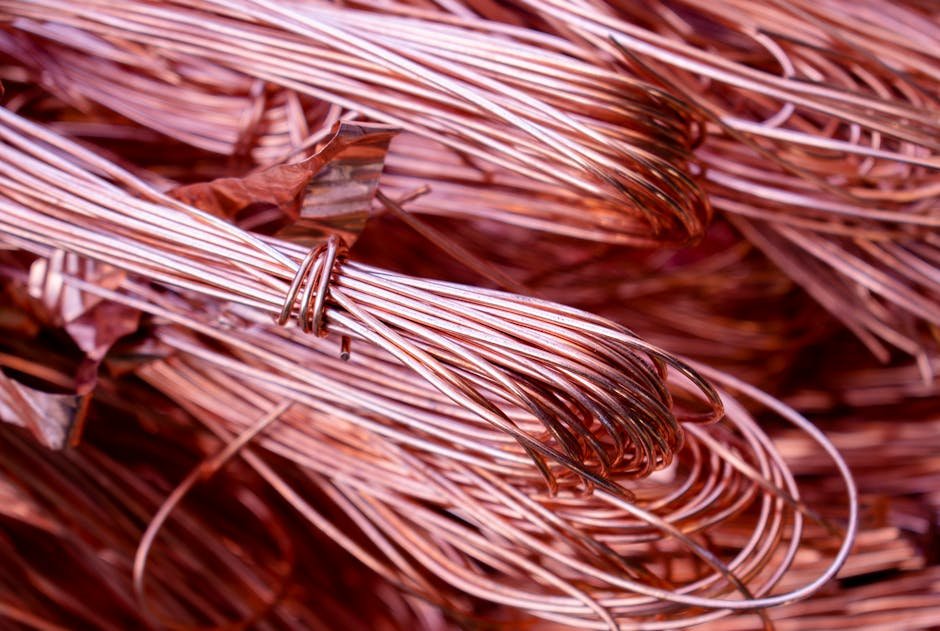
- Bare bright copper: Clean, straight copper wires stripped of insulation (e.g., from power cables), fetching the highest prices.
- Number 2 copper: Mixed copper with insulation, often sourced from residential wiring or damaged cables.
- Copper pipe: Discarded plumbing or HVAC pipes, which require cutting and sorting.
- Copper wire: Scrap from electrical installations, telecommunications, or industrial equipment.
Prices vary based on purity, weight, and market demand. For the latest cable wire scrap prices, visit our 2026 forecast and analysis.
The Copper Cable Recycling Process in Bankstown
1. **Collection**: Households, contractors, or businesses deliver copper cables to recycling centers or arrange bulk pickups.
2. **Sorting and Shredding**: Materials are separated by type (e.g., bare bright vs. number 2 copper) and processed to remove non-metal components.
3. **Refining**: Copper is melted down and alloyed as needed, with byproducts like copper and brass recycling Bankstown streams separately managed.
4. **Resale**: Refined copper is sold to manufacturers for new products, completing the recycling loop.
Environmental and Economic Benefits
Copper cable recycling Bankstown contributes to:
- Reduced Mining Impact: Recycling 1 ton of copper saves 15 tons of ore and 1,400 liters of water.
- Lower Carbon Emissions: Producing recycled copper emits 90% less CO2 than primary extraction.
- Local Economic Growth: Recycling creates jobs in logistics, processing, and manufacturing.
For businesses, joining the Recycling Community can enhance sustainability credentials and attract eco-conscious clients.
Maximizing Returns for Copper Recyclers
To optimize profits from copper cable recycling Bankstown, consider these strategies:
- **Separate Materials**: Keep bare bright copper isolated from number 2 copper to qualify for higher copper price per kg rates.
- **Remove Insulation**: Stripping cables increases their value; some recyclers offer free shredding services.
- **Track Market Trends**: Prices fluctuate based on global demand—monitor copper cable recycling Liverpool and other regional benchmarks.
For large quantities, contact Scrap Trade or Scrap Trade Australia for tailored solutions.
Challenges and Innovations in Copper Recycling
Recycling facilities in Bankstown face challenges like contamination from non-metal materials and fluctuating copper price per kg. To address this, advanced technologies—such as optical sorting and AI-driven quality control—are being adopted. Innovations also include partnerships with copper and brass recycling Bankstown specialists to streamline processing and reduce waste.
Choosing a Reputable Recycler in Bankstown
When selecting a copper cable recycling Bankstown provider, prioritize the following:
- Certifications: Look for ISO 14001 (environmental management) or RIOS (Responsible Recycling) accreditation.
- Transparency: Request real-time pricing updates and proof of material tracking.
- Local Expertise: Companies like Scrap Trade specialize in regional compliance and logistics.
Future Outlook for Copper Recycling in Bankstown
As Australia transitions to renewable energy infrastructure, demand for recycled copper is expected to rise by 50% by 2030. Bankstown’s recyclers are investing in green technologies, such as solar-powered shredding machines and closed-loop water systems, to meet these demands. For residents and businesses, staying informed about trends—like the Cable Wire Scrap Price Copper Bearing Electronic Cable 2026—will be critical for long-term success in the copper cable recycling Bankstown sector.
Frequently Asked Questions
Why should I recycle copper cables in Bankstown?
Recycling copper cables in Bankstown reduces landfill waste, conserves natural resources, and supports local job creation. It also ensures compliance with environmental regulations and generates revenue from valuable metals like copper wire and number 2 copper.
What types of copper does Bankstown recycle?
Bankstown recyclers process materials such as bare bright copper, number 2 copper, copper pipe, and copper wire. Prices vary based on purity and market demand.
How can I get the best price for my copper scrap?
Separate materials by type, remove insulation, and work with certified recyclers who offer transparent pricing. Tracking copper price per kg trends also helps maximize profits.
What are the environmental benefits of copper recycling?
Recycling copper reduces energy consumption by 85% compared to mining, cuts carbon emissions by 90%, and prevents hazardous materials in cables from contaminating ecosystems.